What is a fibre-optic drone: how the link works and what to compare
12.03.2026
By Ptashka Drones editorial team
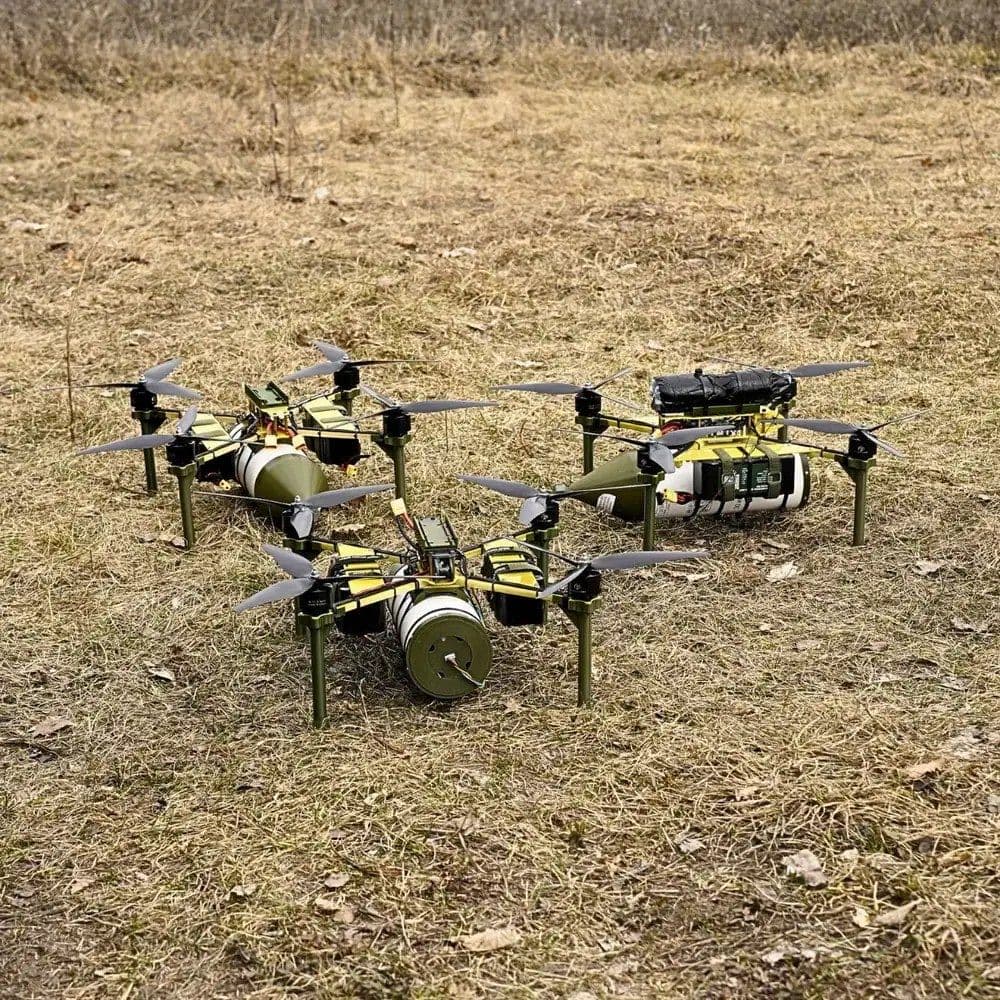
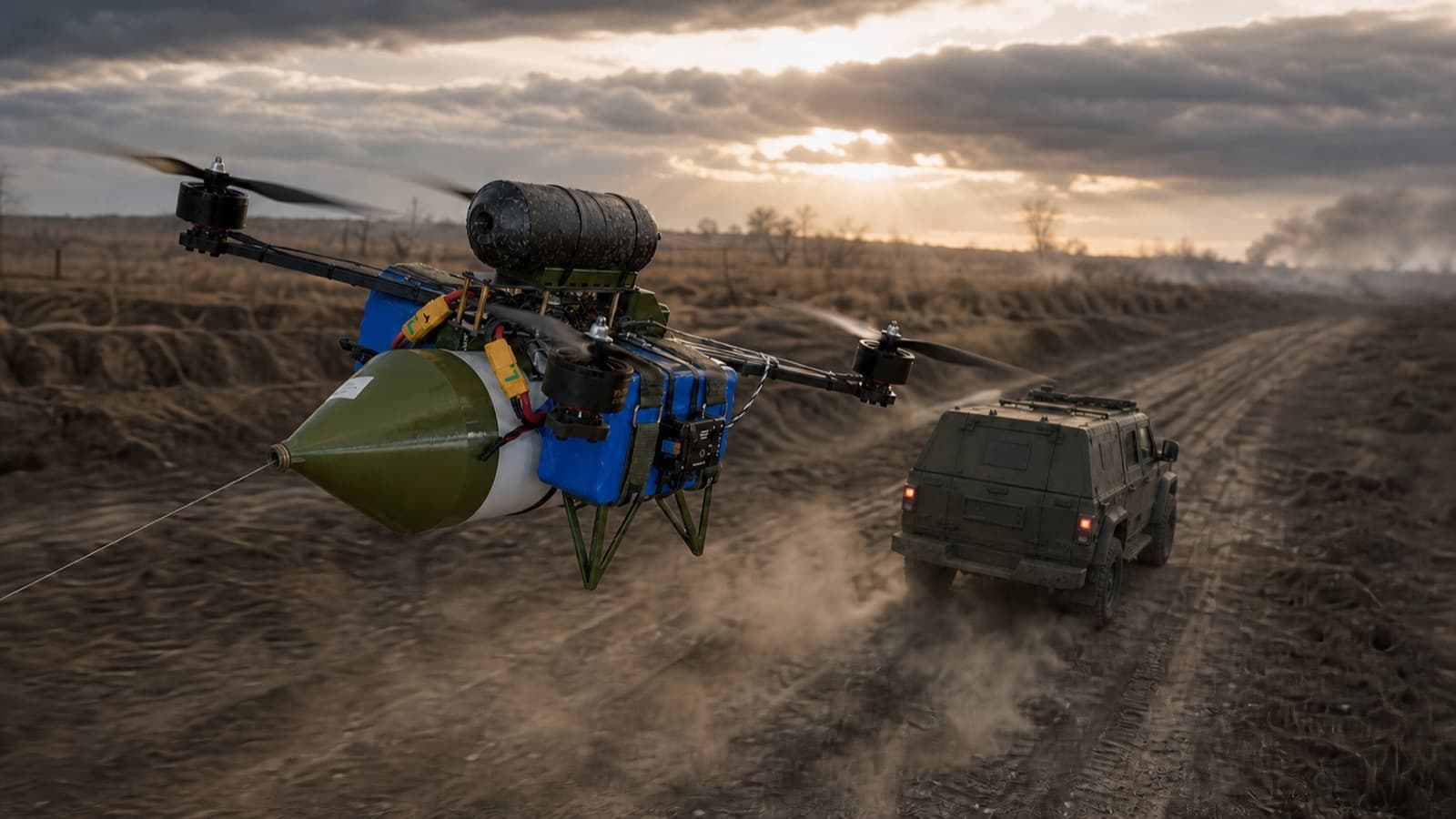
A fibre-optic drone uses an optical fibre for the communication functions supported by its particular configuration. Instead of transmitting those data through a radio link, the system carries information as light through the fibre. The aircraft still depends on its airframe, propulsion, onboard electronics and power supply.
The distinction is the communication channel, not a guarantee that the whole aircraft is immune to interference, damage or other limitations. This introduction explains the main concepts without providing assembly, flight or operational instructions. A complete specification must always identify the actual hardware and software version.
How a fibre-optic drone differs from a radio-controlled quadcopter
In a radio-linked configuration, supported commands and video travel through radio equipment. In a fibre-optic configuration, the supported data use an optical path. The fibre is a physical connection, which changes the way communication is provided and introduces its own handling and compatibility requirements.
The optical path does not depend on reception of the same radio transmission used by a conventional radio link. That does not justify describing the aircraft as invisible, impossible to affect or universally resistant to electronic warfare. Other equipment, physical conditions and the configuration as a whole still matter.
Nor does an optical connection establish that an image will remain identical at every distance. The performance of the complete link depends on its components and conditions. Claims about image quality, delay or reliability should refer to documented measurements, not simply to the word “fibre”.
How the optical communication channel works
At a conceptual level, compatible equipment converts supported data into an optical form and converts them back into information the receiving equipment can use. The airborne part, the optical channel and the ground part therefore have different roles. Their presence in a diagram does not define how a specific product is connected or assembled.
Where the configuration supports both control and video, those functions form part of the documented communication arrangement. The camera provides the image; the link transports supported information; the ground interface presents it to the user. A fibre spool alone does not provide all of these functions.
The detailed configuration determines which ground equipment and video interface are required. Ask for a complete contents list and compatibility confirmation rather than assuming that a separate module, spool or aircraft is a ready-to-use package.
Where the technology is relevant
Fibre-optic and radio-linked aircraft may be considered when evaluating different communication requirements. The useful comparison concerns the information carried, compatible equipment, the full package and the limitations of each format. It should not be reduced to a claim that one format is always superior.
The link type alone does not establish suitability for a particular location, permitted use or operating environment. Those matters require the applicable documentation, qualified personnel and an assessment of the complete aircraft. This article is not a recommendation for a flight route or a tactical application.
Advantages need to be read alongside limitations
An optical channel offers an alternative way of transporting supported data. Its practical value must be assessed together with the physical fibre, the actual modules, ground equipment and aircraft. A change of communication channel does not remove the need to consider power, condition, compatibility and support.
- Check what information the stated configuration carries.
- Distinguish documented measurements from general marketing descriptions.
- Confirm which airborne and ground components are included.
- Read the limitations and the conditions attached to any performance figure.
The number of kilometres marked on a spool describes fibre length, not guaranteed flight range. It is not proof of endurance, unrestricted simultaneous operation or a particular result. Separate specifications for a component and a full aircraft must remain separate.
What to confirm before choosing a model
Begin with the required equipment format and the information that the supplied system must provide. Confirm the exact version, included ground equipment, compatible video interface, documentation and service arrangements. If comparing offers, use the same definition of a complete package for each.
The fibre-optic FPV drone catalogue lists the relevant aircraft. The fibre spool catalogue covers a separate component category. For a fuller purchasing checklist, read how a fibre-optic FPV drone works and what the package includes. Price and destination-specific supply terms require individual confirmation.


Related posts
Fixed-wing UAV: what it is and how to choose
What a fixed-wing UAV and wing drone are, how they differ from multirotors, which tasks they suit and the specifications of the Ptashka PD-1.
Starlink drone: how it works
How a Starlink drone works, how a satellite link differs from radio and fibre optics, its limitations and what the Ptashka-17 Starlink can do.
Analog or digital video for FPV
How analog and digital FPV video differ: image quality, behaviour on a weak signal and microphone. What the Ptashka-10 and Ptashka-15 use and how to choose.
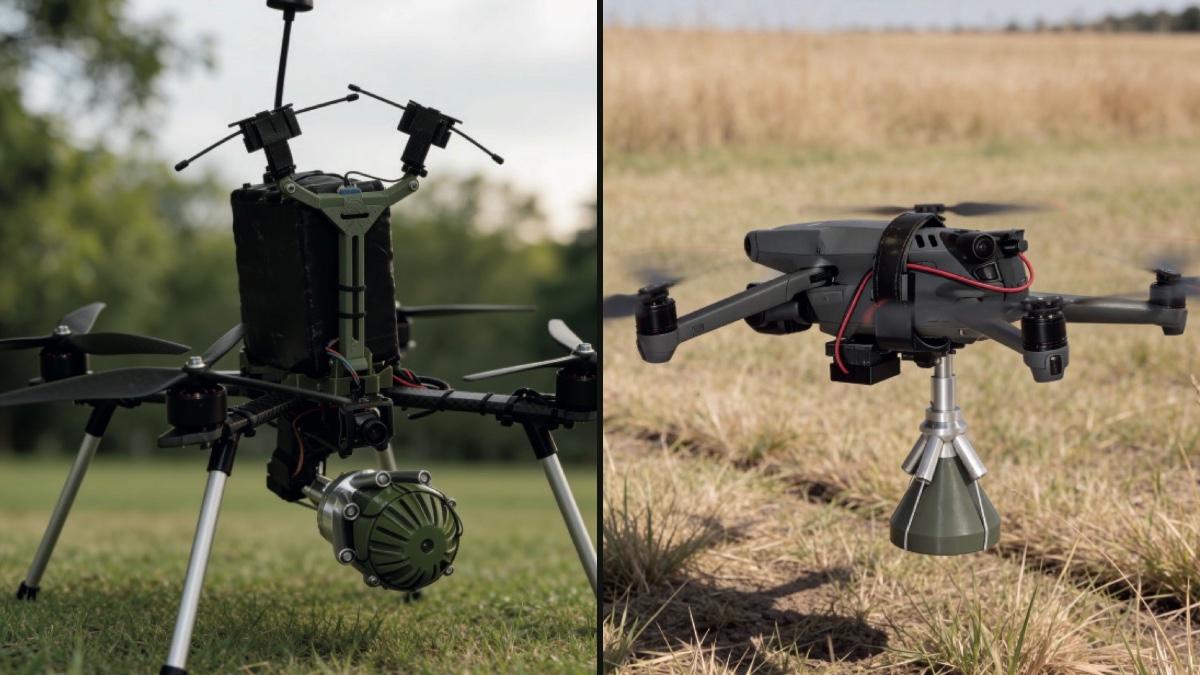
Drone-mounted net launcher: FPV or Mavic
Ptashka drone-mounted net launchers for FPV, Mavic, Autel and Matrice compared: net size, firing distance, weight, activation and compatibility.

Is there a detector for fibre-optic drones
Why an RF detector cannot see a fibre-optic FPV drone and what actually helps spot one: acoustic sensors, observation, reconnaissance drones and physical protection.
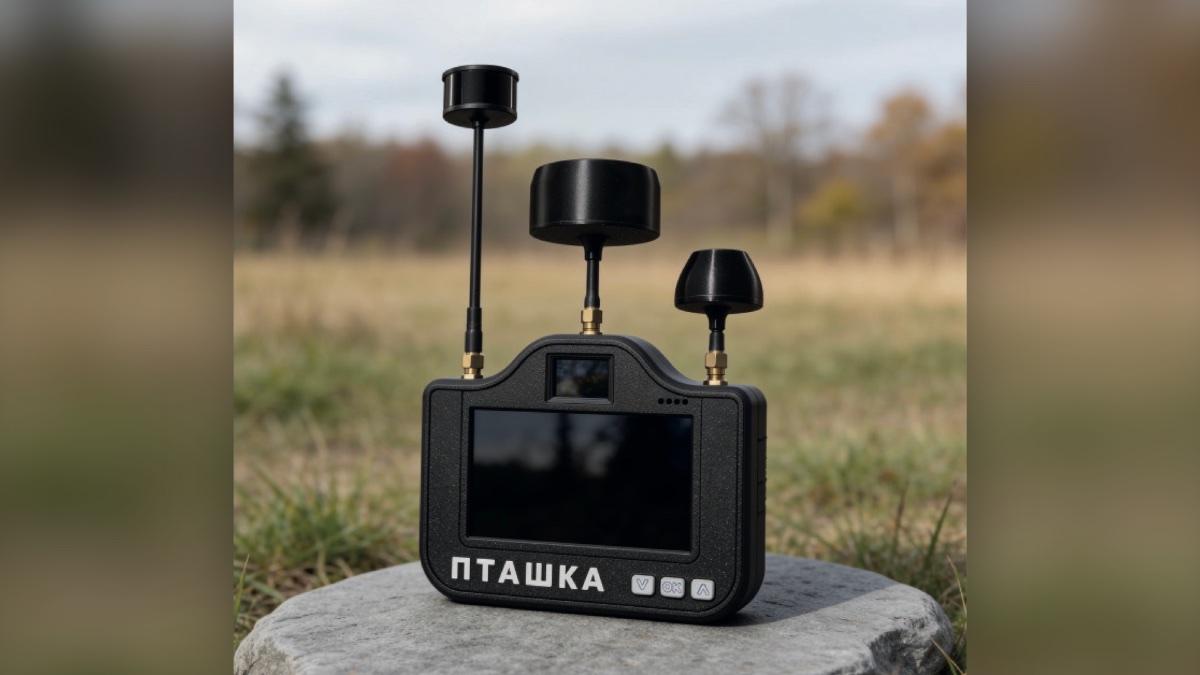
Which frequencies FPV drones use and what a detector sees
Which frequencies FPV drones use for control and video, which bands the Ptashka drone detector scans, and why it does not see DJI, digital video or fibre optics.
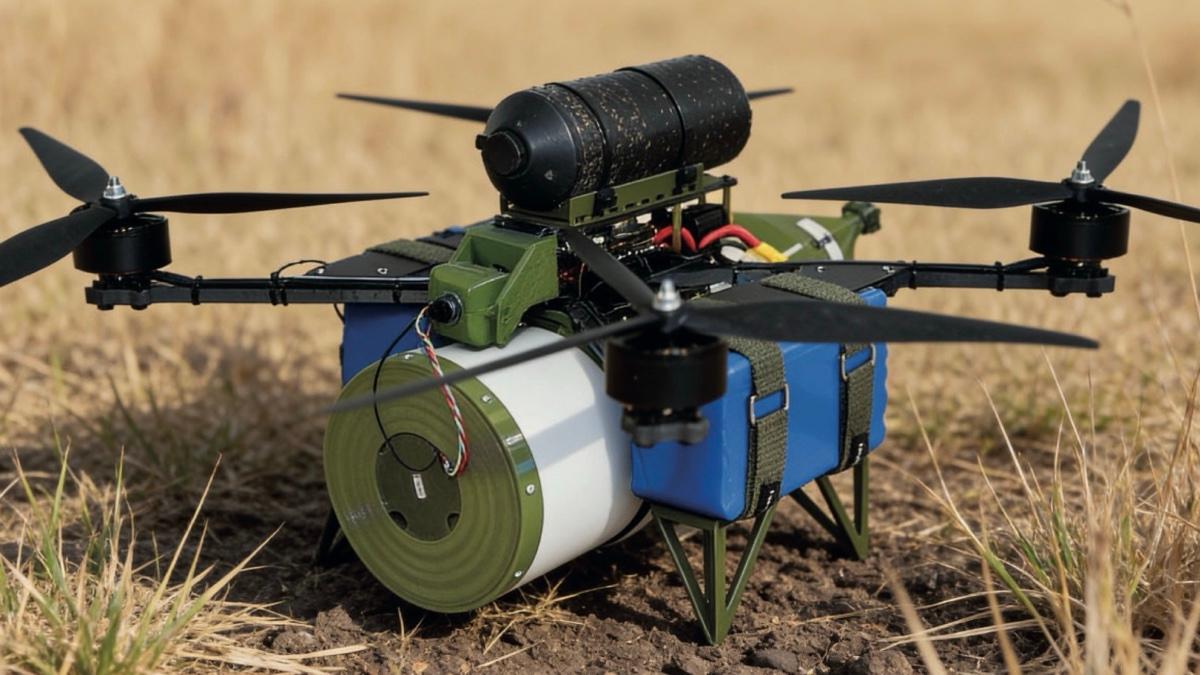
Fibre-optic FPV drone in an ambush: how it works and what the drone needs
How a fibre-optic FPV drone waits for a target in an ambush: ambush mode, landing legs, camera and spool. Suitable Ptashka models and how to protect against ambushes.
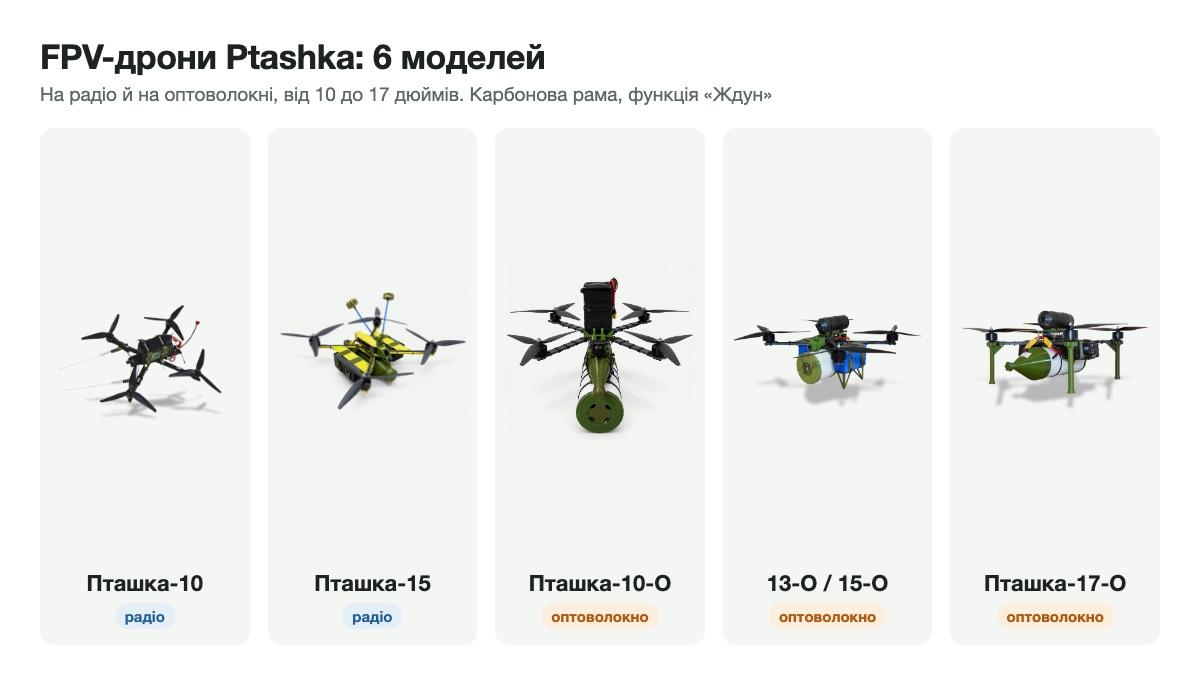
Which Ptashka FPV drone to choose: radio and fibre-optic models compared
Ptashka FPV drones compared: radio, fibre-optic and Starlink models 10, 15, 10-O, 13-O, 15-O, 17-O. Propellers, motors, cameras, range, payload and ambush mode.
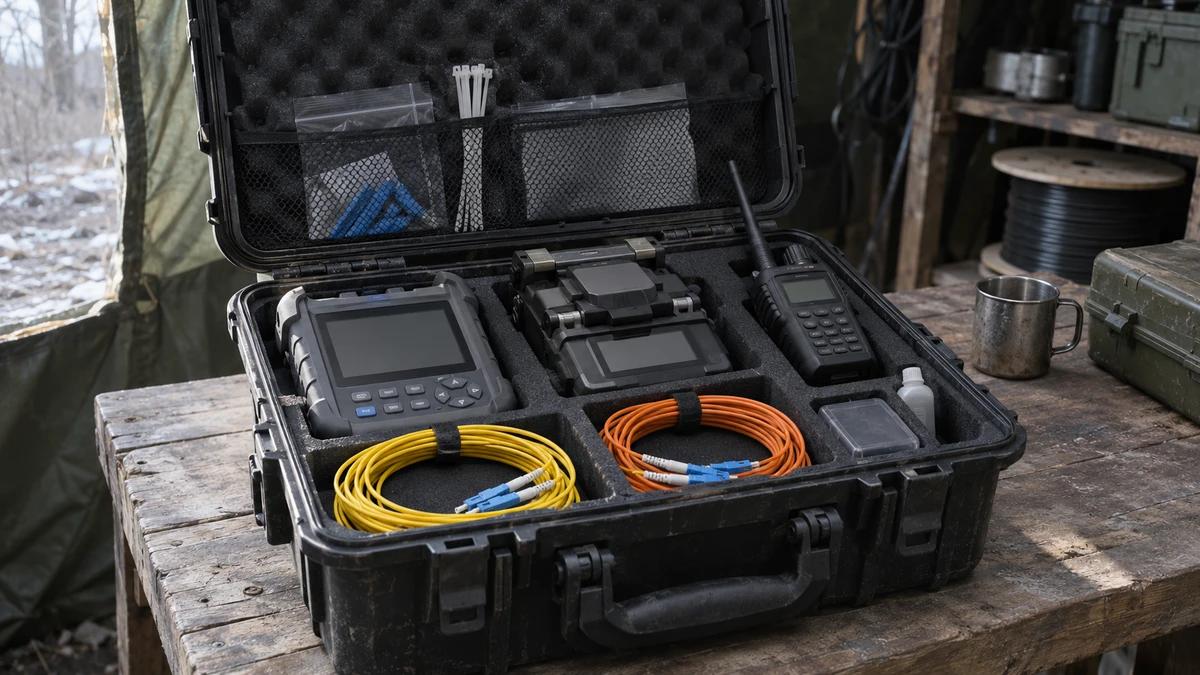
Analog or digital ground station for fibre-optic FPV drones
Analog and digital ground stations for fibre-optic FPV drones compared: kit contents, controller, microphone, video recording and accessories. How to choose.

How to choose a fibre-optic spool for an FPV drone: 10 to 50 km
How to choose fibre length for a fibre-optic FPV drone: 10, 15, 20, 25, 30, 35, 40 or 50 km, how to measure the route and which spool fits which drone.
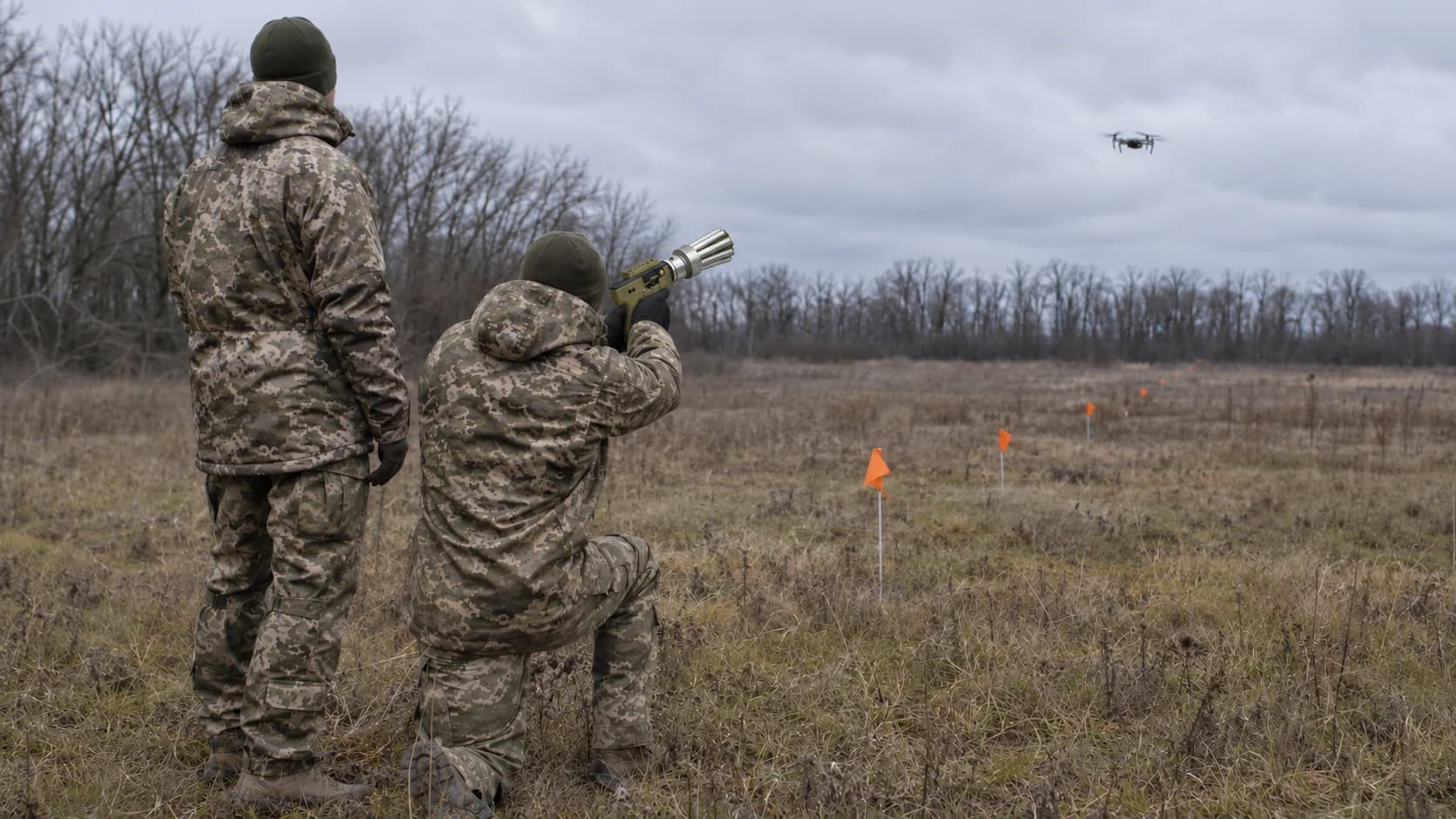
Handheld net launcher training
How to organise training with the Ptashka handheld net launcher: five stages, work with a training mock-up, exercise debriefs and cartridge records.
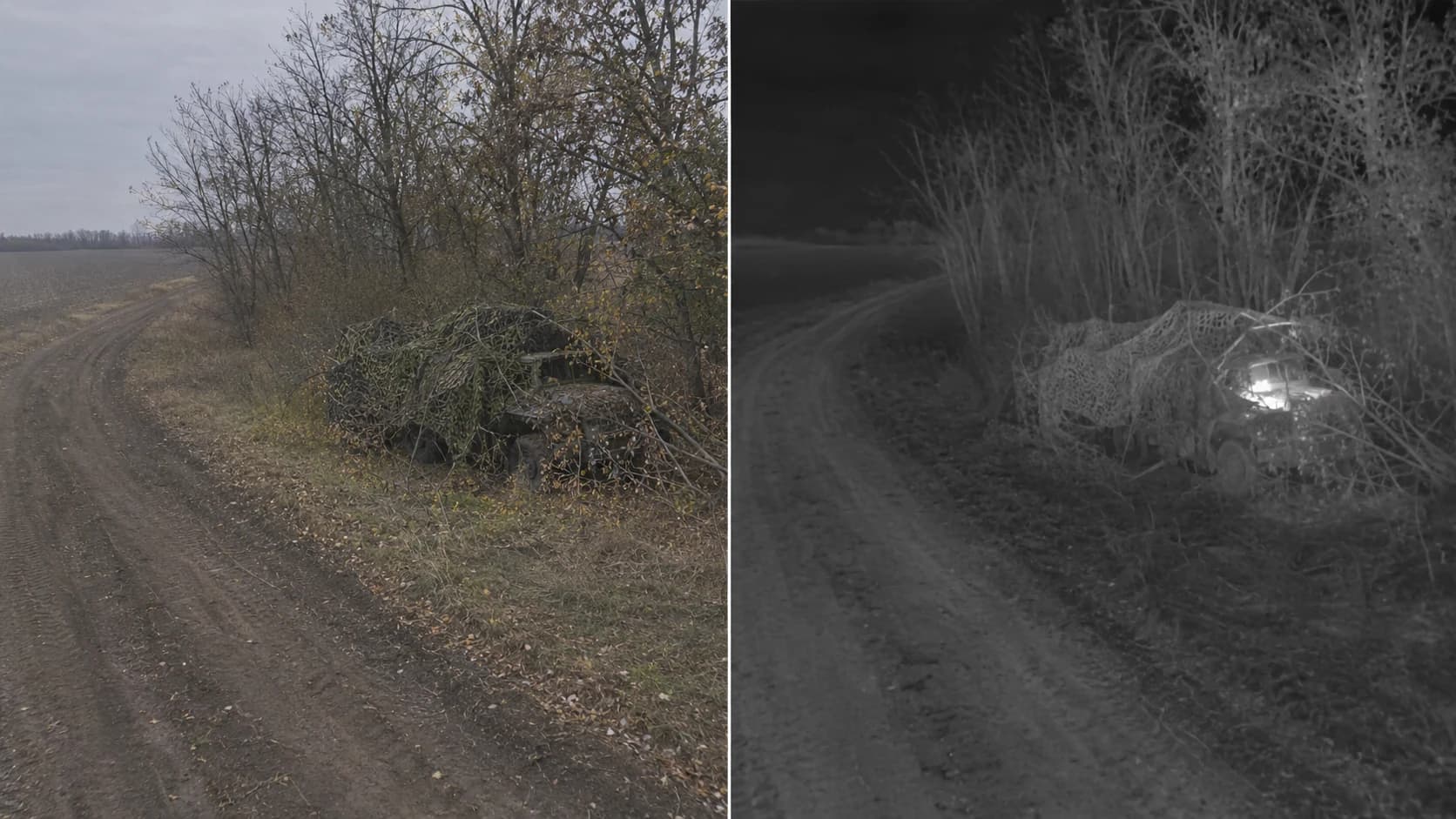
Day or thermal camera for FPV drones
Day and thermal FPV cameras compared by lighting, detail and limitations, with the camera options on Ptashka fibre-optic drones.
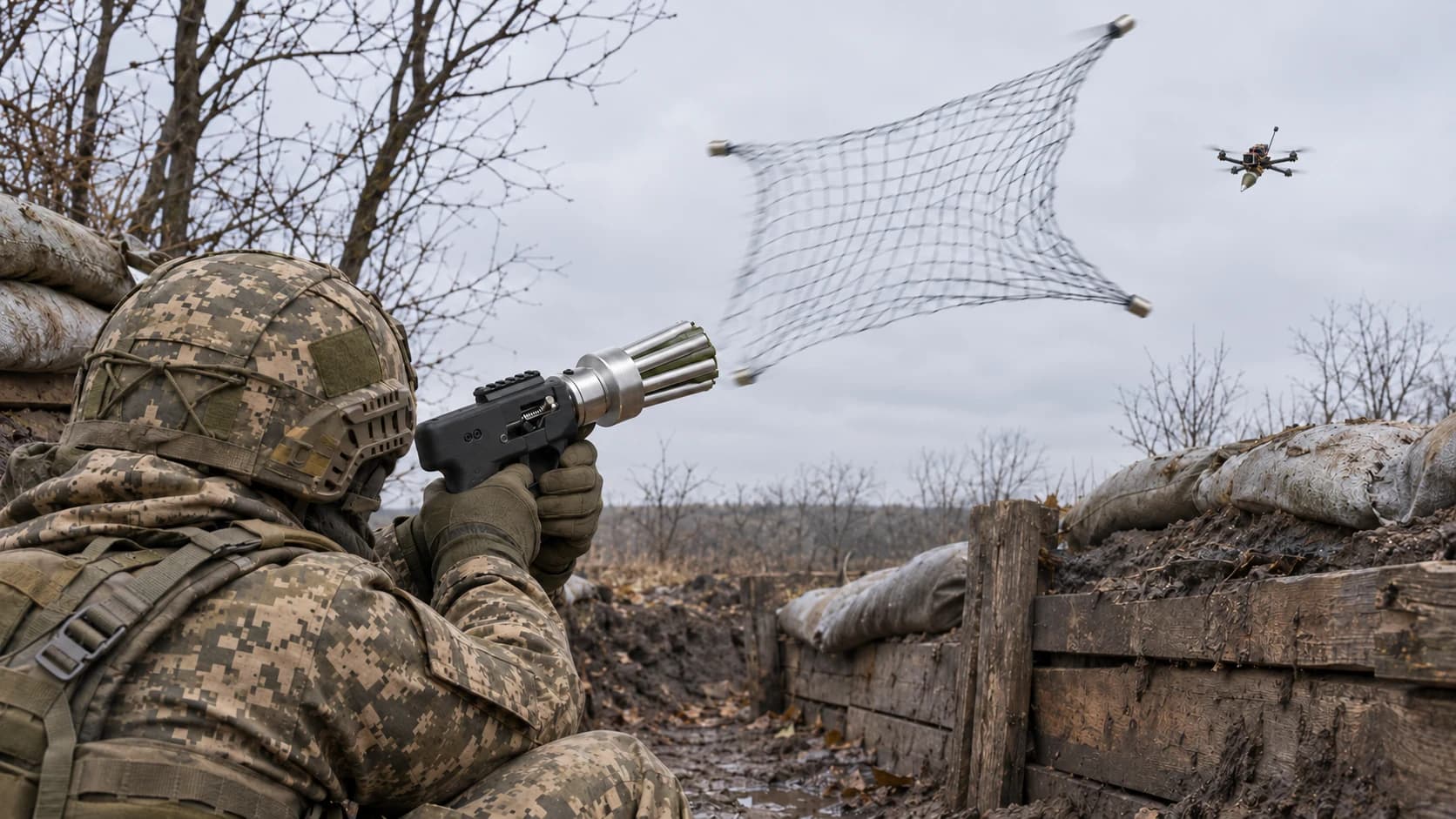
Handheld net launcher or shotgun against FPV drones
A handheld net launcher and a shotgun compared for FPV defence by weight, principle, shots and limitations, plus the Ptashka net gun kits.

Choosing a handheld net launcher kit
Compare the confirmed contents of Ptashka Basic, Middle and Max handheld net launcher kits. Check the product version, documentation and indefinite free repair and service.
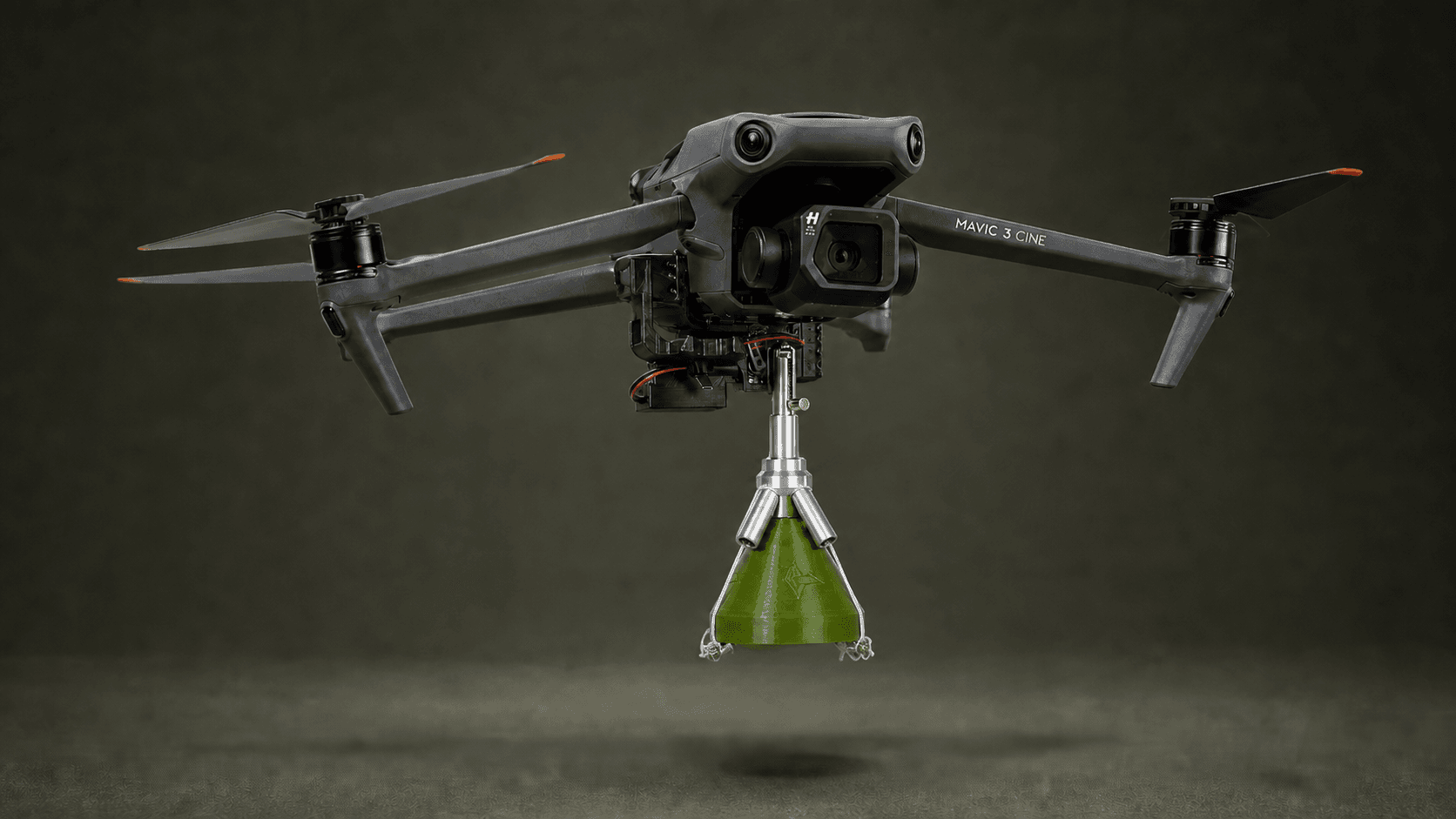
Mavic and Autel net launcher compatibility
Understand the distinction between a drone-carried net launcher and a handheld system. Confirm the precise Mavic, Autel or Matrice platform, version and supply before ordering.

FPV drone net launcher
How an FPV-carried net launcher differs from handheld and Mavic formats. Check the precise platform, module version, supplied contents and documented limitations.
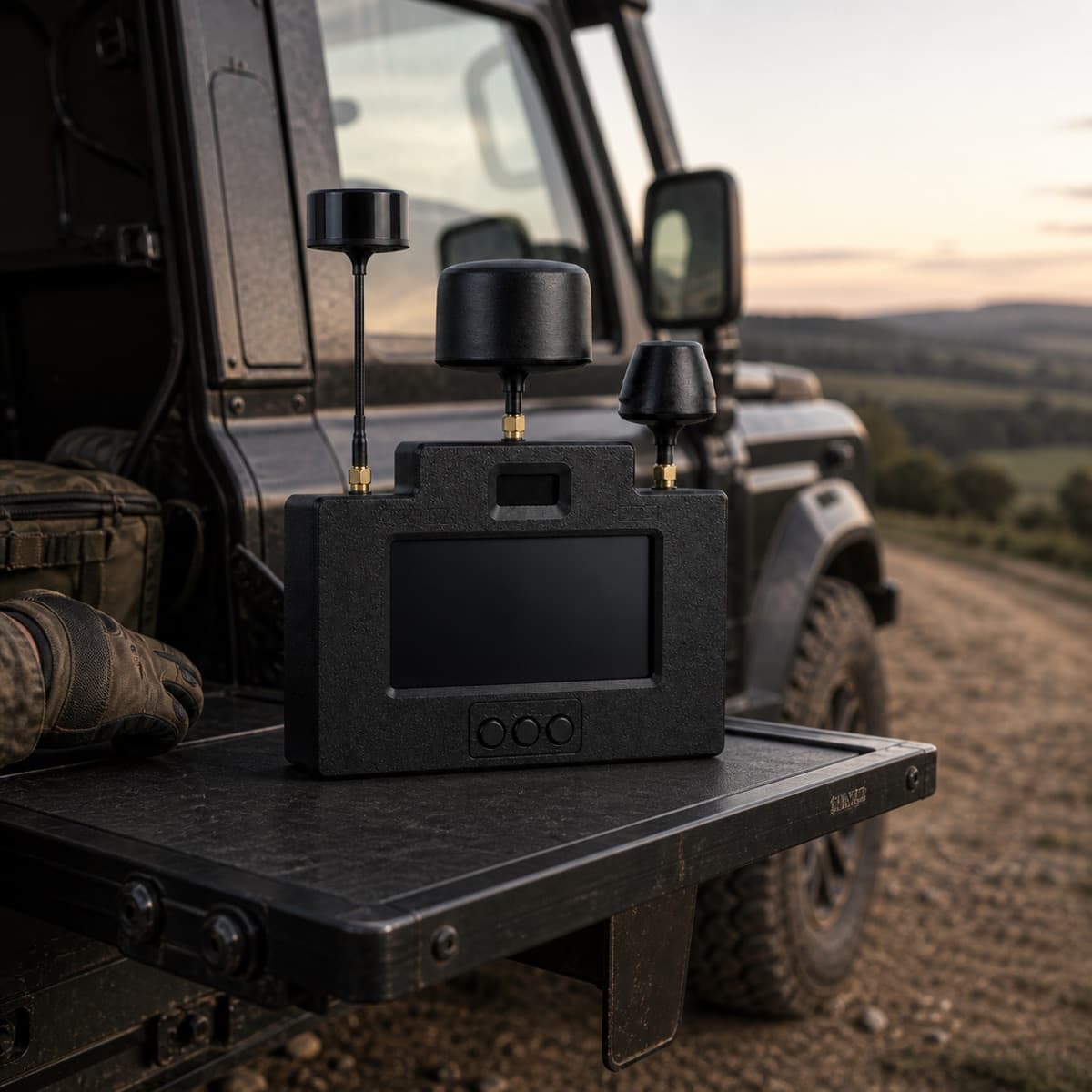
RF detection, electronic warfare and physical protection
Understand the differences between analog RF reception, radio-electronic countermeasures and physical interception, including the limits of Ptashka’s detector and net launchers.

RF detectors for teams, facilities and vehicles
Compare portable detector requirements for teams, facilities and vehicles without assuming universal coverage. Understand the analog-only Ptashka receiver and its limits.
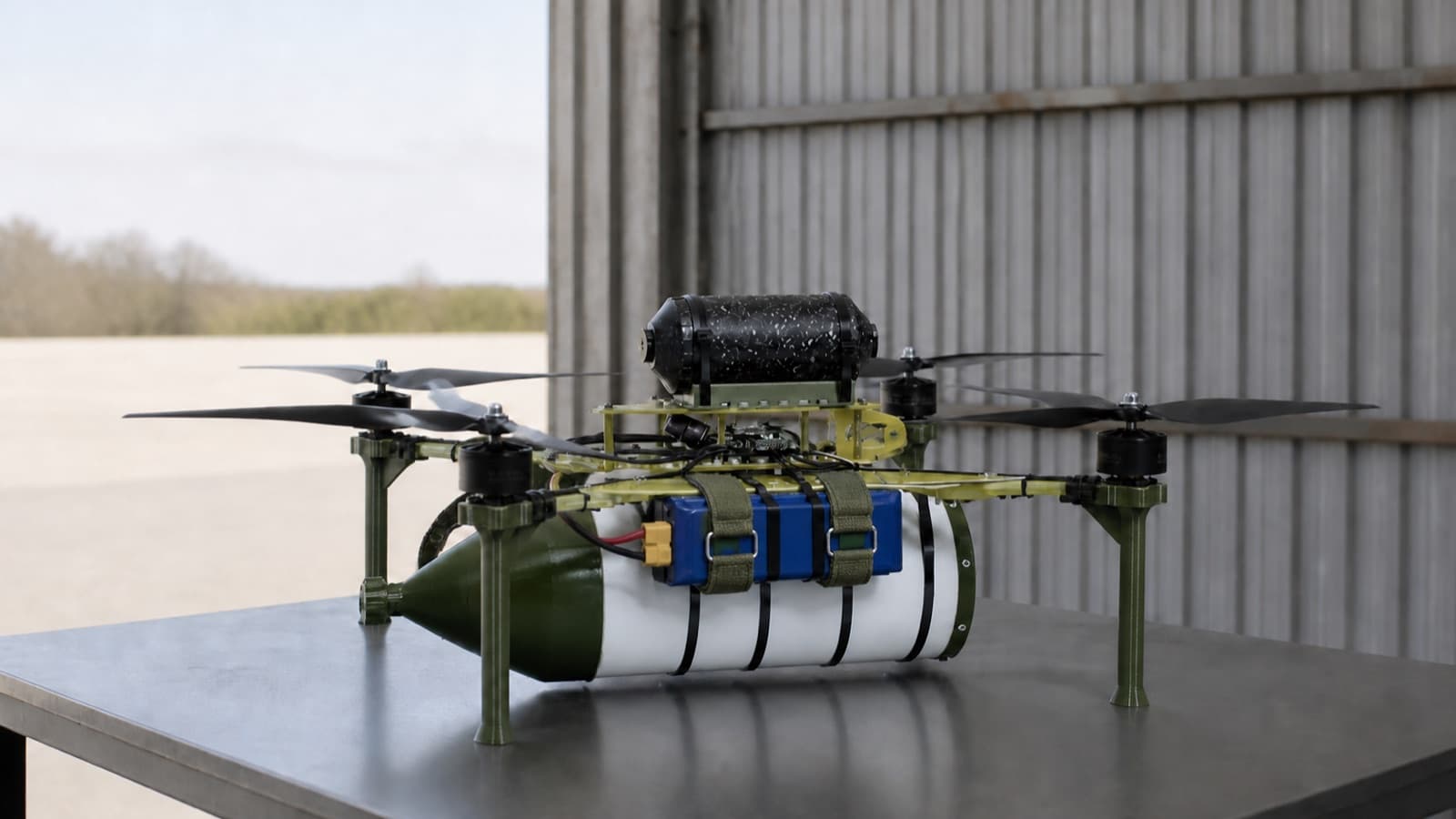
Common FPV drone formats
Compare radio-linked and fibre-optic FPV formats by compatible equipment, complete supply contents, documentation and support rather than an unsupported popularity ranking.
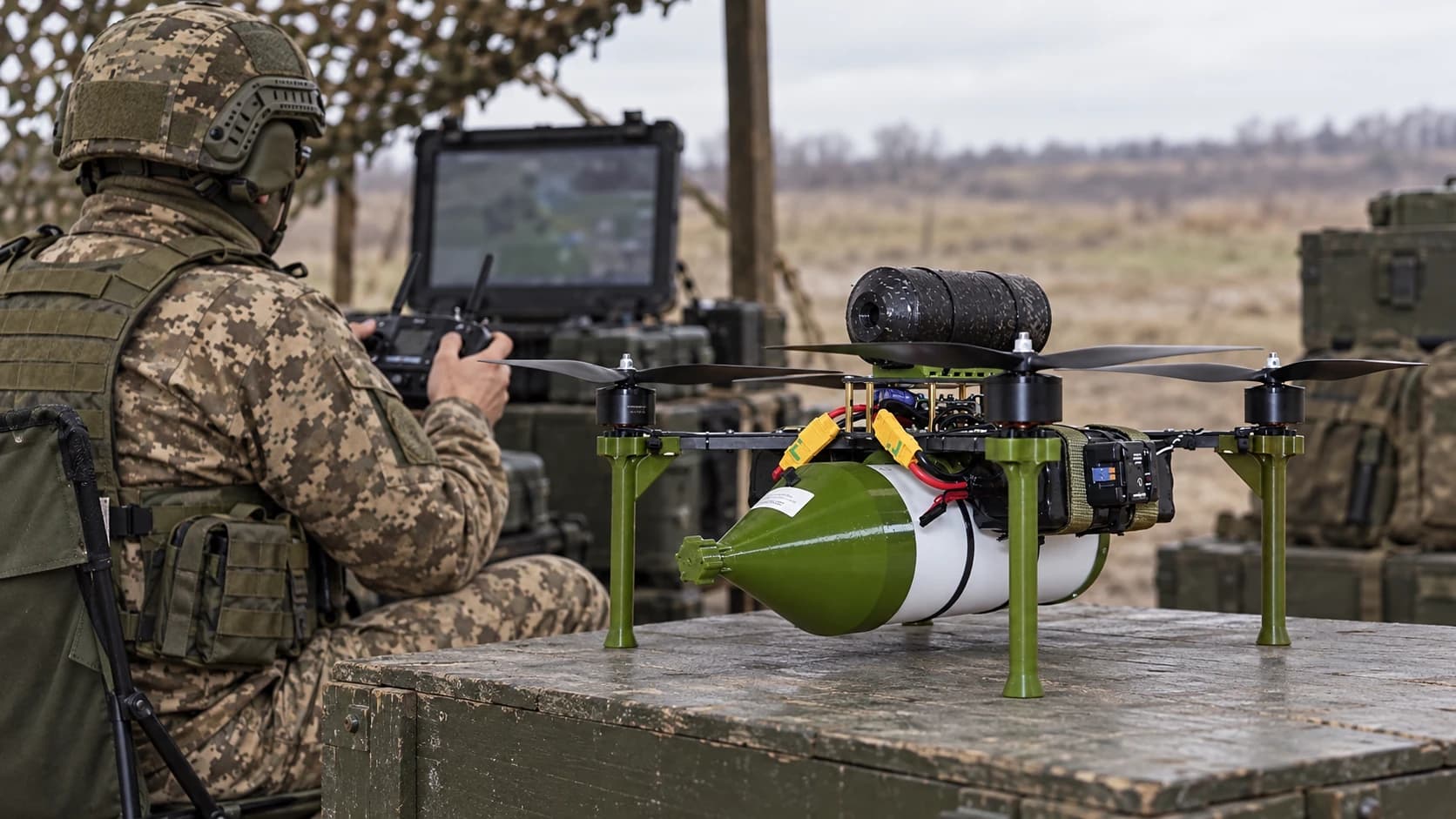
How a fibre-optic FPV drone works
The roles of the optical channel, spool, airborne and ground equipment. Learn why fibre length is not guaranteed flight range and what to confirm before ordering.
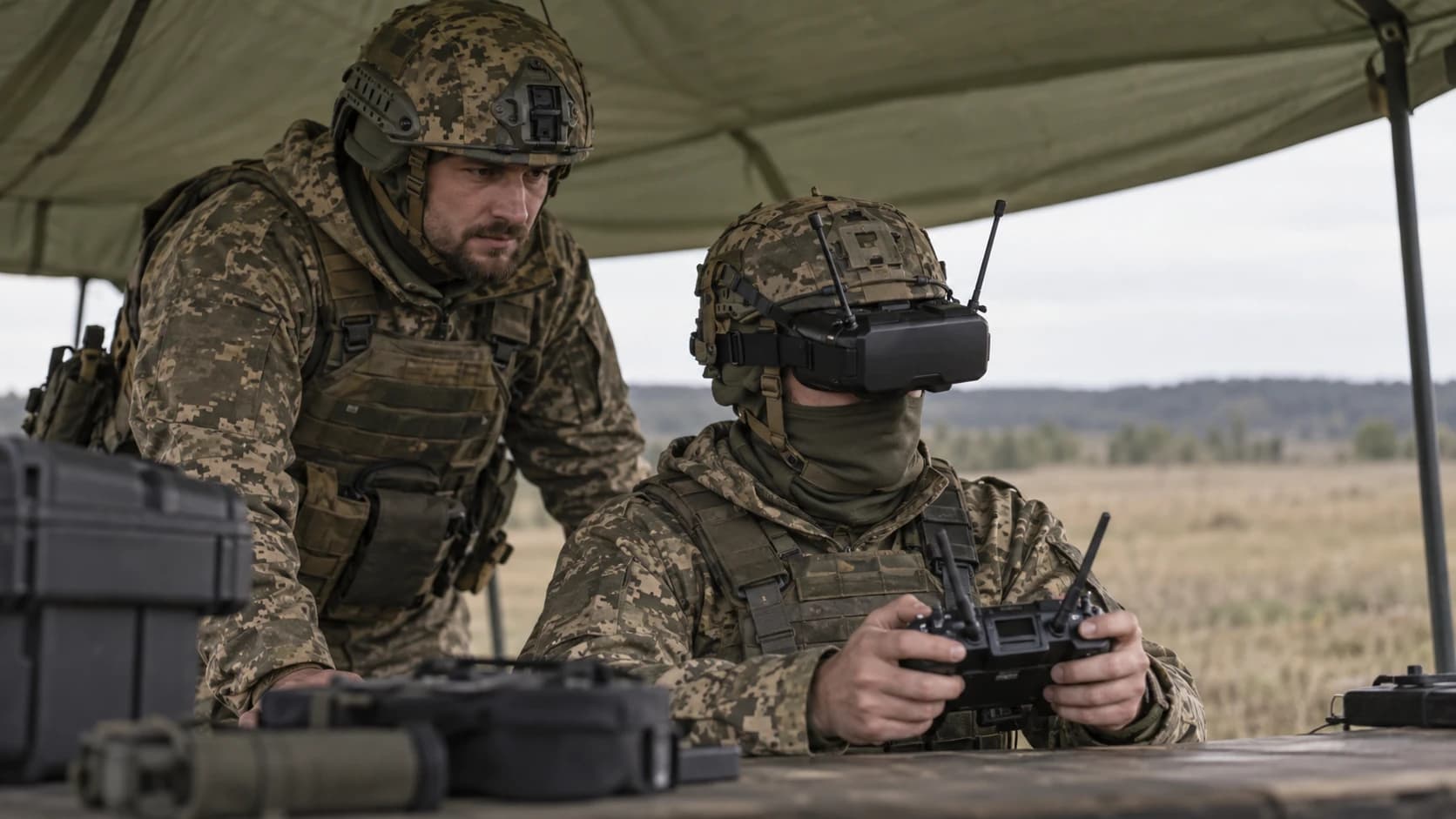
Choosing an FPV drone
Check the aircraft version, controller and video compatibility, included equipment, power specifications, documentation and support before ordering an FPV drone.
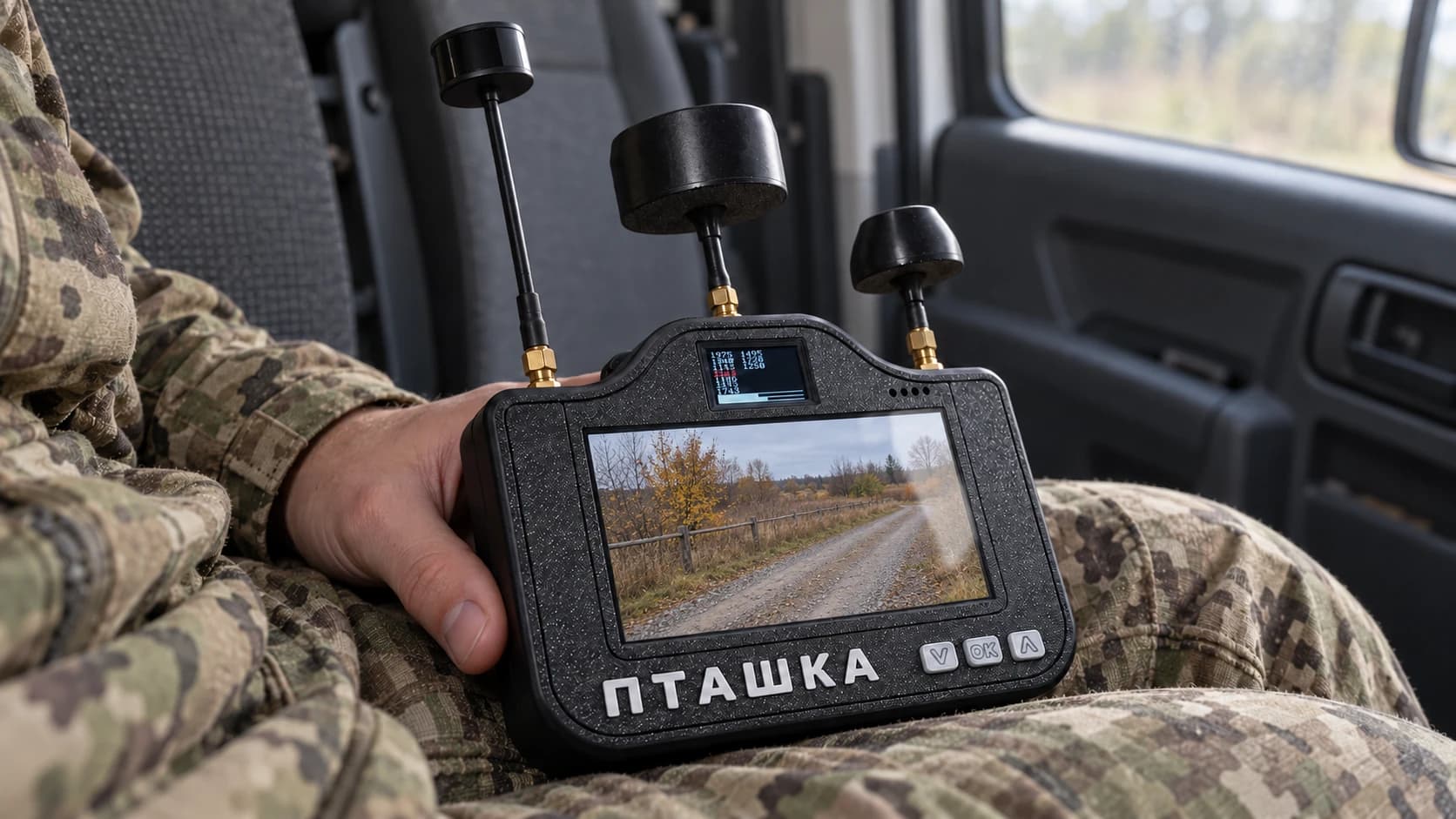
An RF detector in a UAV detection system
How a portable RF detector contributes information to a wider UAV detection process, what Ptashka’s analog-only receiver can show, and why its limits matter.
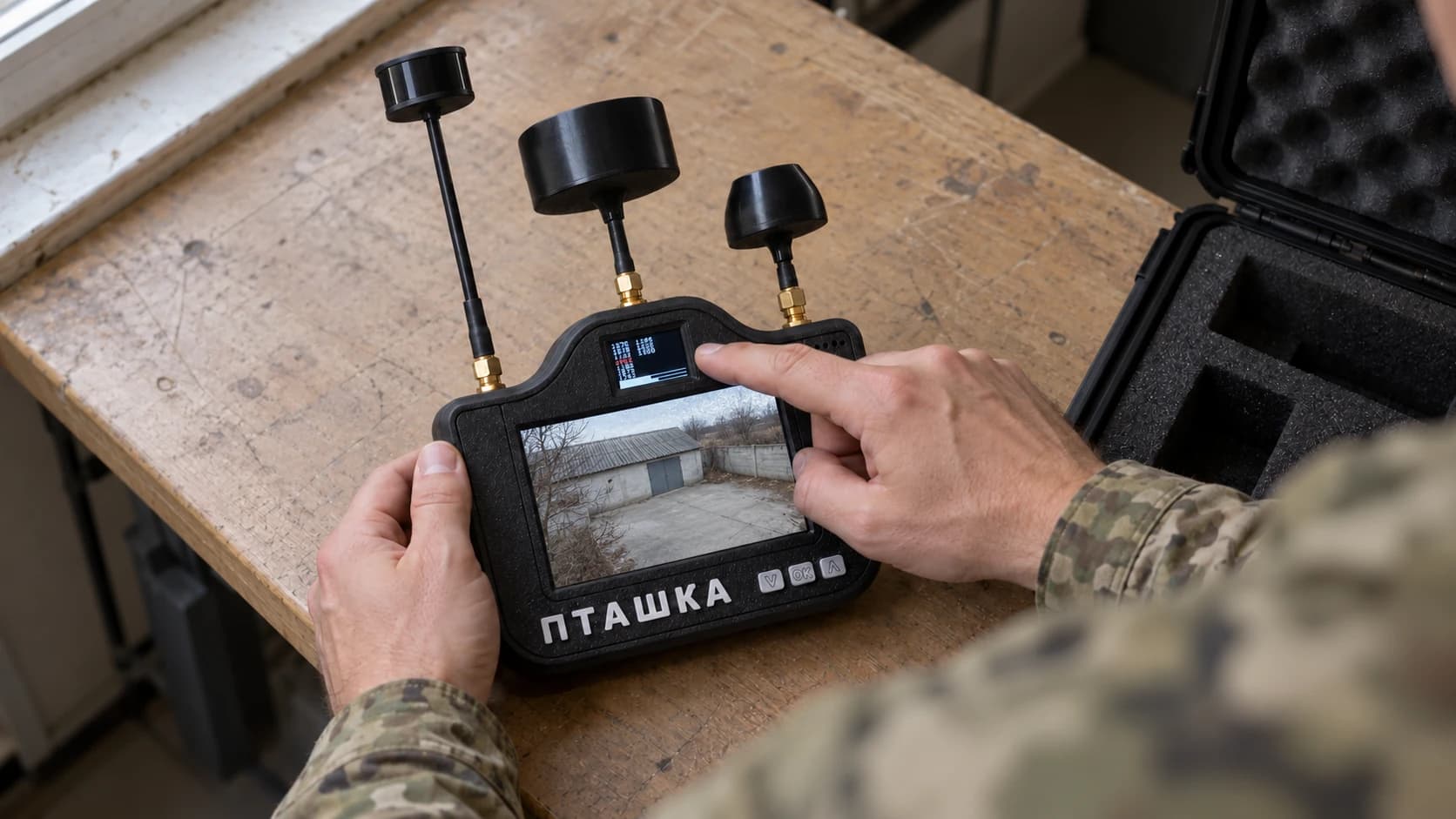
What an RF drone detector can and cannot do
Distinguish supported RF reception and analog video from aircraft identification, coordinates and universal detection. A practical explanation of Ptashka’s limits.
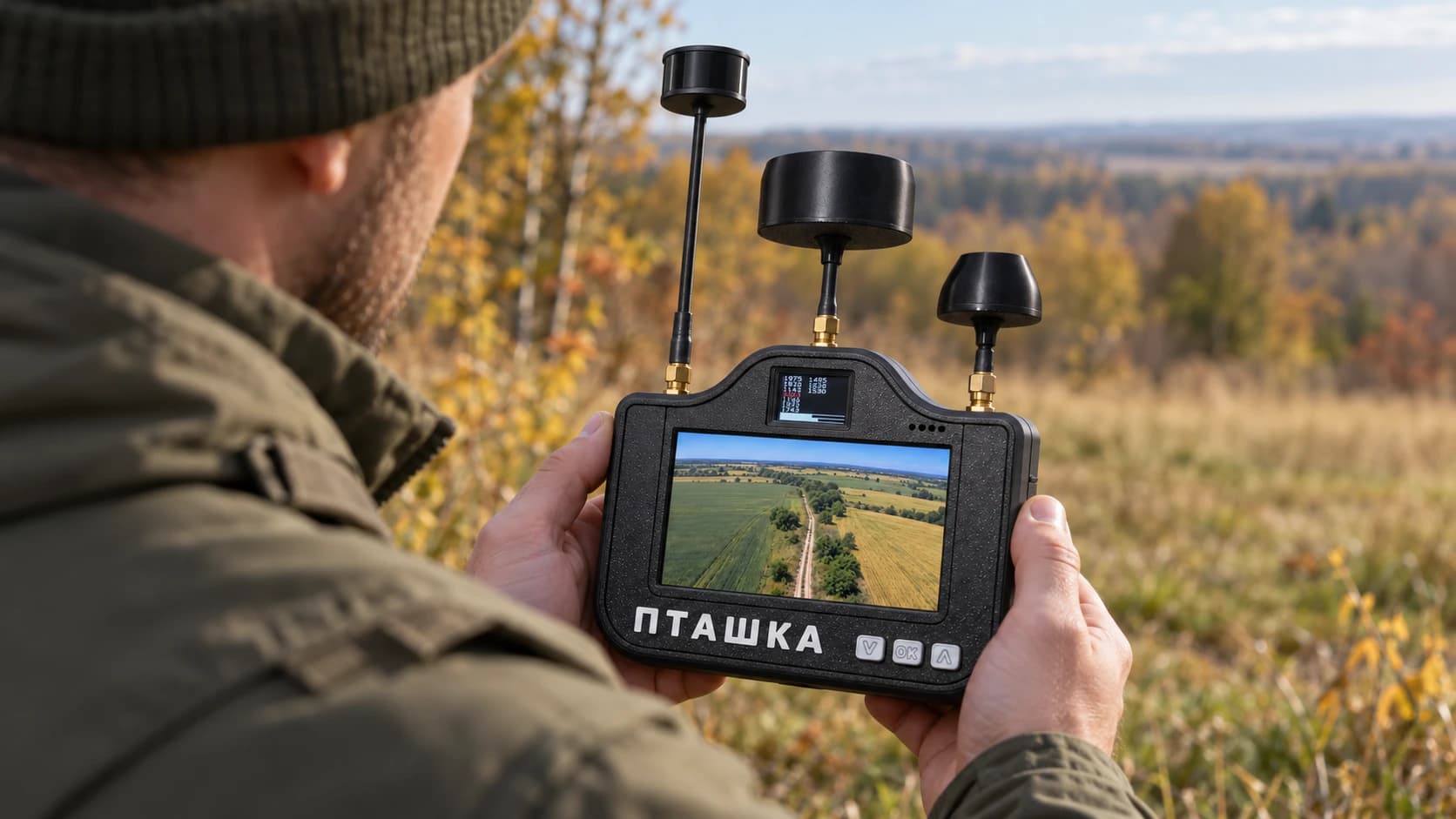
Choosing a portable drone detector
Compare supported signals, frequency bands, displays, battery specifications and support before buying a portable drone detector. Understand Ptashka’s analog-only scope.
What is an FPV drone?
An introduction to First Person View drones: the camera, video link, viewing equipment and control functions, with the differences between radio and fibre-optic formats.