Starlink drone: how the link works, range and limitations
09.11.2026
By Ptashka Drones Editorial Team
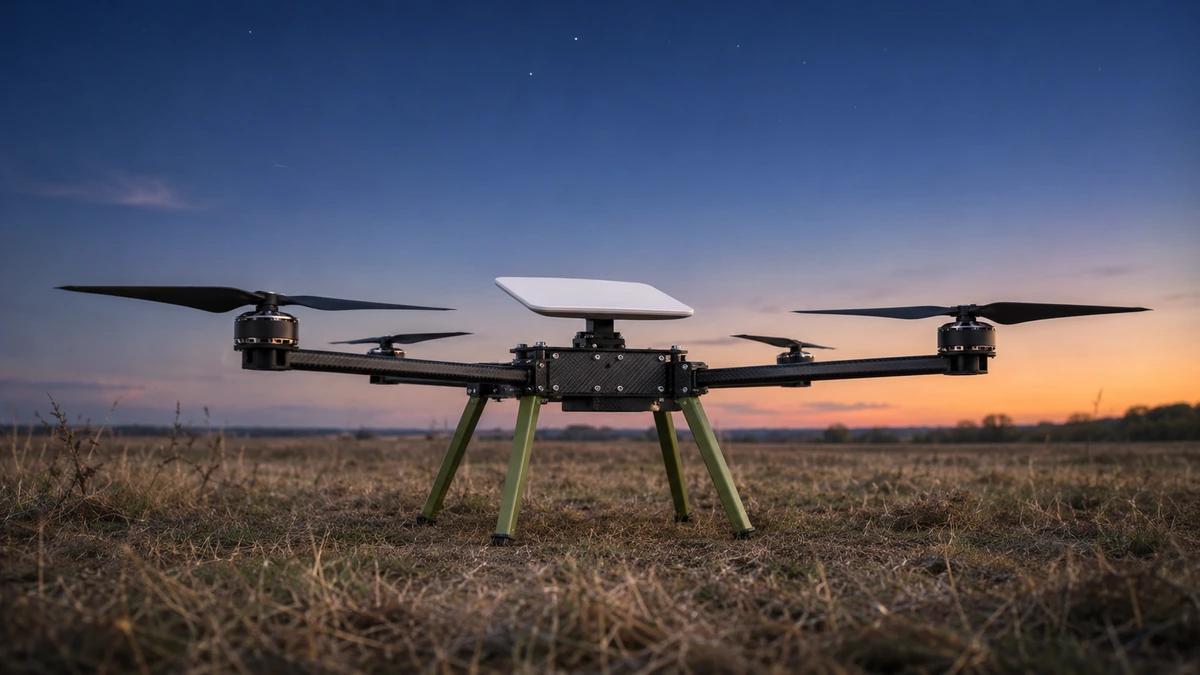
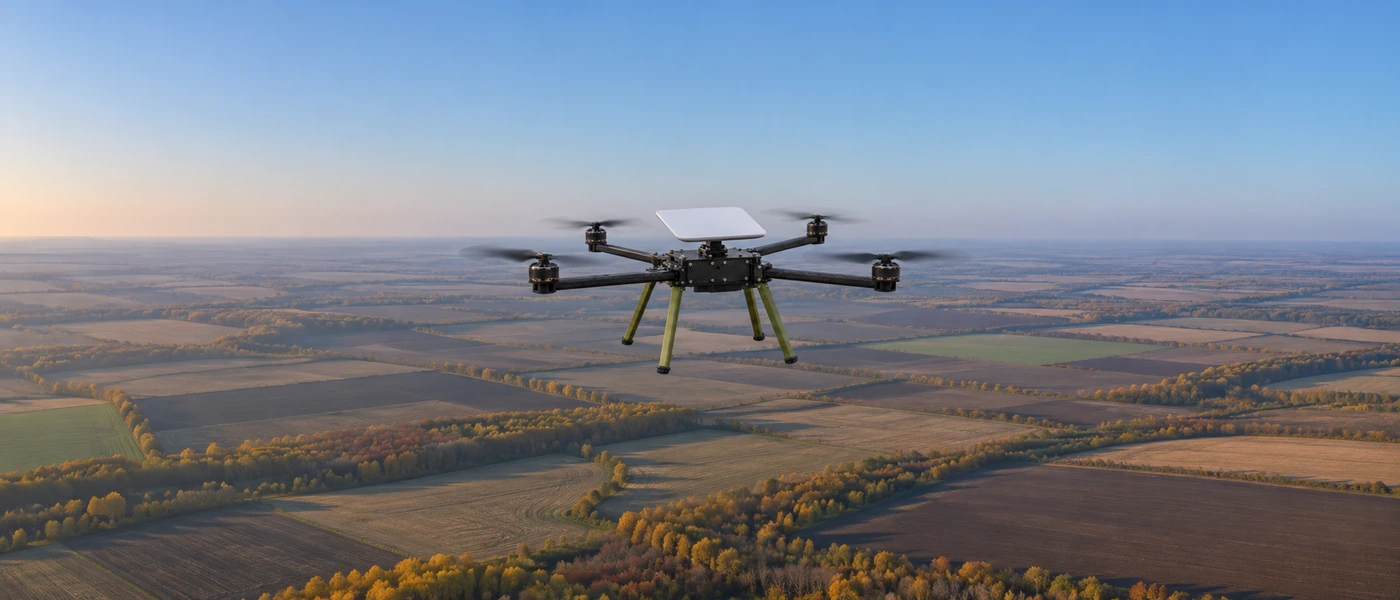
Starlink gives a drone a communication link that does not depend on line of sight to a ground station and is not limited by cable length. Control, telemetry and video travel via satellite. Below we explain how it works, how Starlink differs from radio and fibre optics, its limitations and what the Ptashka-17 Starlink can do.
How a Starlink drone works
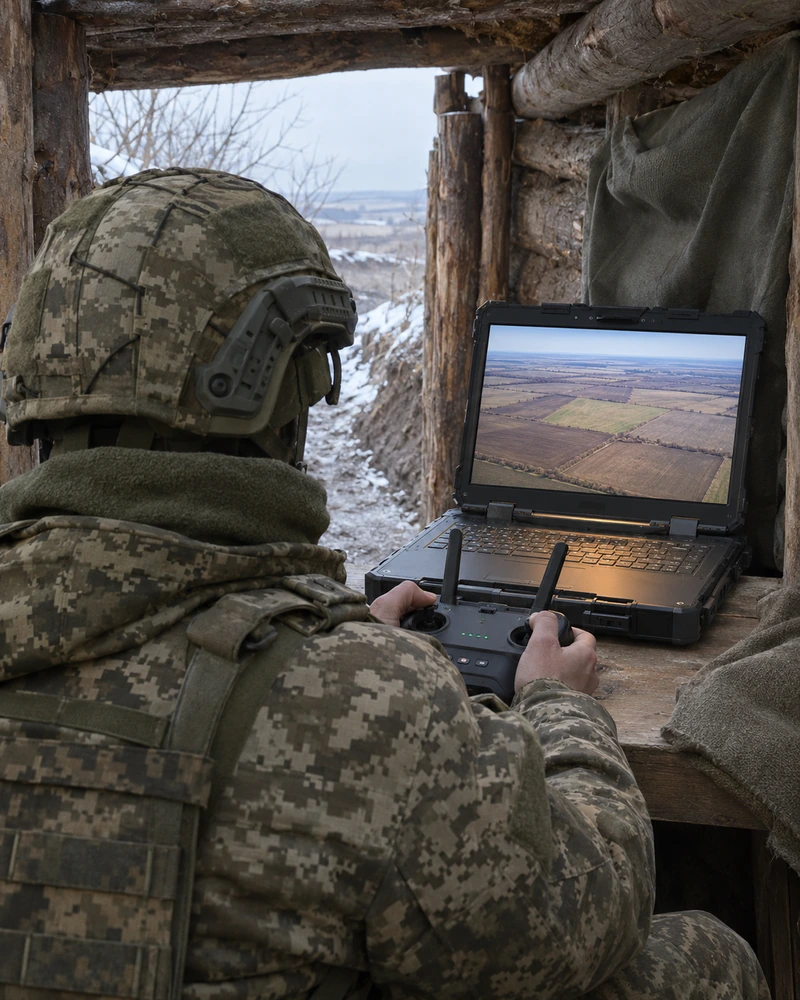
The drone carries a flat antenna that faces the sky. It exchanges data with satellites, which pass it to the operator over the internet. So the drone needs no direct radio line of sight to a ground station, no repeater and no fibre spool.
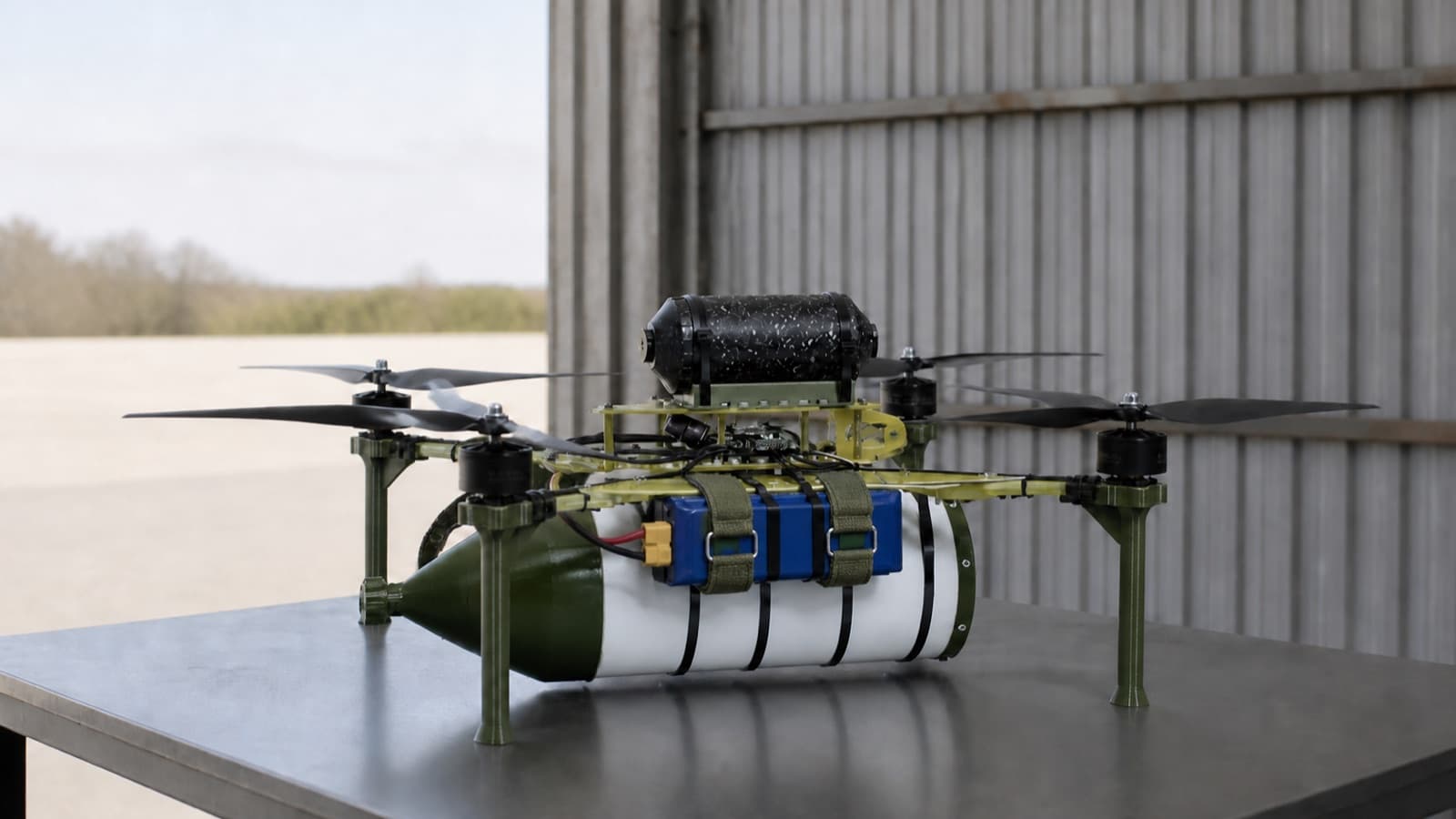
On the Ptashka-17 Starlink this link carries control, telemetry and video from a Full HD digital camera.
Starlink, radio or fibre optic
| Radio | Fibre optic | Starlink | |
|---|---|---|---|
| Link | Radio to a ground station | Cable from a spool | Satellite |
| What limits range | Signal and line of sight | Spool length | Battery reserve |
| Ground EW | Can jam the link | No effect on the cable | Less vulnerable, but not fully protected |
| Emits on air | Yes | No | Yes |
| What gets in the way | Terrain, buildings | Fibre breaks | Blocked sky, access rules |
More on the other formats in how to choose a radio FPV drone and how a fibre-optic FPV drone works.
Ptashka-17 Starlink specifications
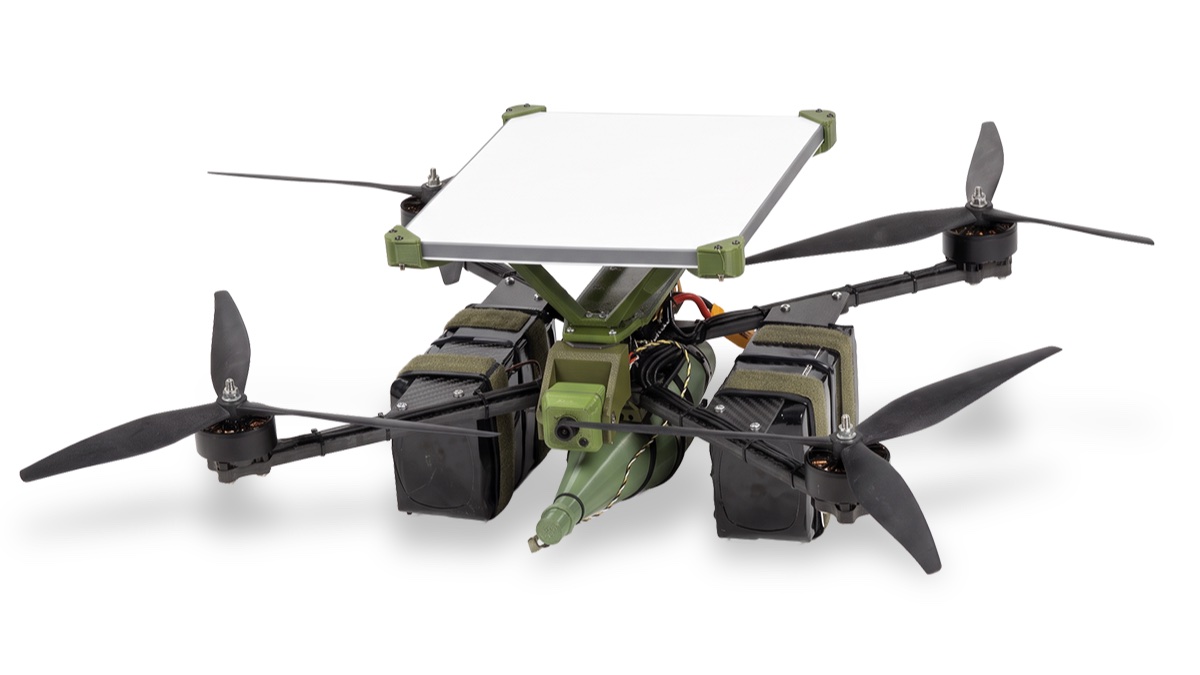
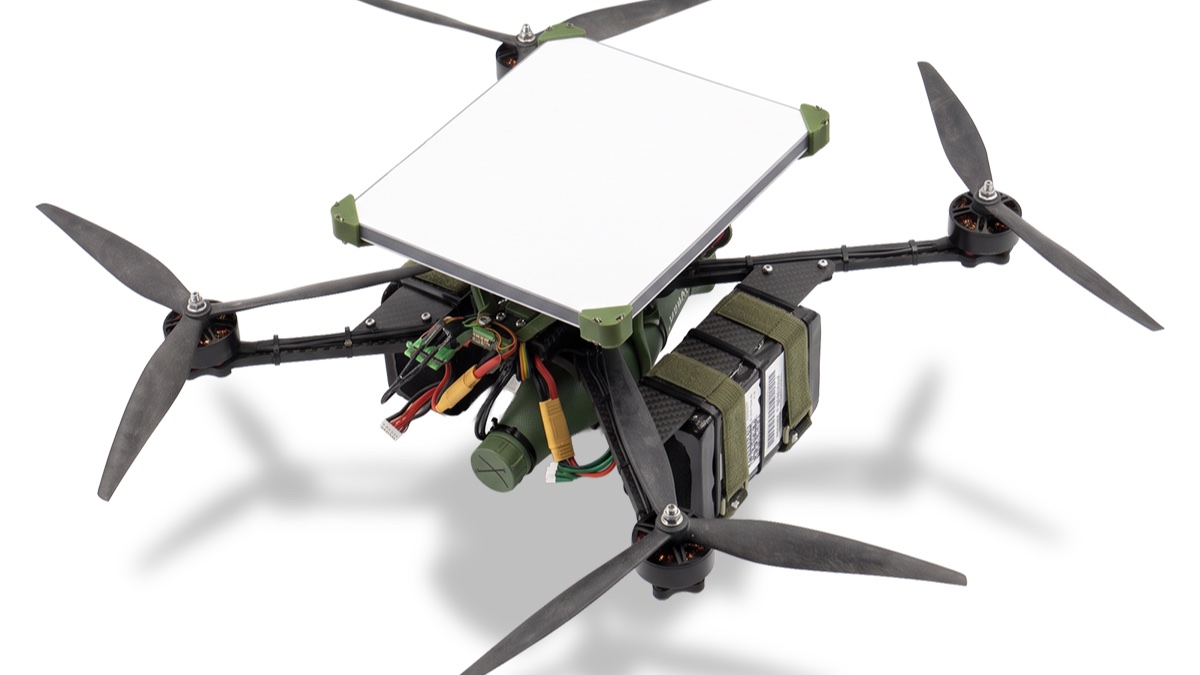
| Link | Starlink: control, telemetry and video |
|---|---|
| Flight range | 50 km |
| Flight time | at least 50 minutes |
| Maximum speed | 140 km/h |
| Payload | 1.5 kg |
| Power system | 5215 500KV motors, 17-inch propellers, F743 80A controller |
| Camera | Ptashka digital Full HD, 60 FPS |
| Battery | two packs of 25,000 mAh |
| Included | take-off and ambush legs, flight controller adapted for ambush mode |
Limitations to consider
- Terminal verification. In Ukraine only authorised Starlink terminals work. According to Ukraine's Ministry of Defence in February 2026, the military register terminals via DELTA or Army+. Without verification, do not count on operation while moving.
- Rules may change. Speed and access limits for terminals are updated from time to time. Check the current requirements before use.
- Open sky. Dense trees and buildings can degrade the link.
- Latency. A satellite link has more latency than a cable, so operators need practice.
- Antenna weight. The antenna and batteries take up part of the lifting capacity.
What to look for when choosing a Starlink drone
- Real range. The market claims anywhere from 50 to over 100 km. Ask under what conditions and with what payload the figure was measured.
- Payload. On 17-inch drones it is usually 1.5–2 kg.
- Cameras. Night missions need a thermal camera or two cameras. Check the available configurations.
- Terminal status. Who handles verification and what happens if the rules change.
- Backup link. Ask what the drone does if the link is lost.
Who it suits
- Units that need 50 km of range without a spool or cable.
- Tasks where terrain blocks direct radio line of sight.
- When long flight time and clear digital video matter.
If staying silent on air matters, compare fibre-optic drones. All models are in which Ptashka FPV drone to choose.
Frequently asked questions
Can a drone be controlled via Starlink?
Yes. On the Ptashka-17 Starlink the satellite link carries control, telemetry and video.
What is the range of the Ptashka-17 Starlink?
50 km, with a flight time of at least 50 minutes.
Does Starlink need verification in Ukraine?
Yes. According to Ukraine's Ministry of Defence, only authorised terminals work in Ukraine. The military register them via DELTA or Army+.
Can EW jam Starlink?
Ground EW finds a satellite link harder to jam than ordinary radio, but there is no full protection.
Want to confirm the kit and availability? Contact us and a Ptashka manager will answer your questions.


Related posts
Fixed-wing UAV: what it is and how to choose
What a fixed-wing UAV and wing drone are, how they differ from multirotors, which tasks they suit and the specifications of the Ptashka PD-1.
Analog or digital video for FPV
How analog and digital FPV video differ: image quality, behaviour on a weak signal and microphone. What the Ptashka-10 and Ptashka-15 use and how to choose.
Drone-mounted net launcher: FPV or Mavic
Ptashka drone-mounted net launchers for FPV, Mavic, Autel and Matrice compared: net size, firing distance, weight, activation and compatibility.
Is there a detector for fibre-optic drones
Why an RF detector cannot see a fibre-optic FPV drone and what actually helps spot one: acoustic sensors, observation, reconnaissance drones and physical protection.
Which frequencies FPV drones use and what a detector sees
Which frequencies FPV drones use for control and video, which bands the Ptashka drone detector scans, and why it does not see DJI, digital video or fibre optics.
Fibre-optic FPV drone in an ambush: how it works and what the drone needs
How a fibre-optic FPV drone waits for a target in an ambush: ambush mode, landing legs, camera and spool. Suitable Ptashka models and how to protect against ambushes.
Which Ptashka FPV drone to choose: radio and fibre-optic models compared
Ptashka FPV drones compared: radio, fibre-optic and Starlink models 10, 15, 10-O, 13-O, 15-O, 17-O. Propellers, motors, cameras, range, payload and ambush mode.
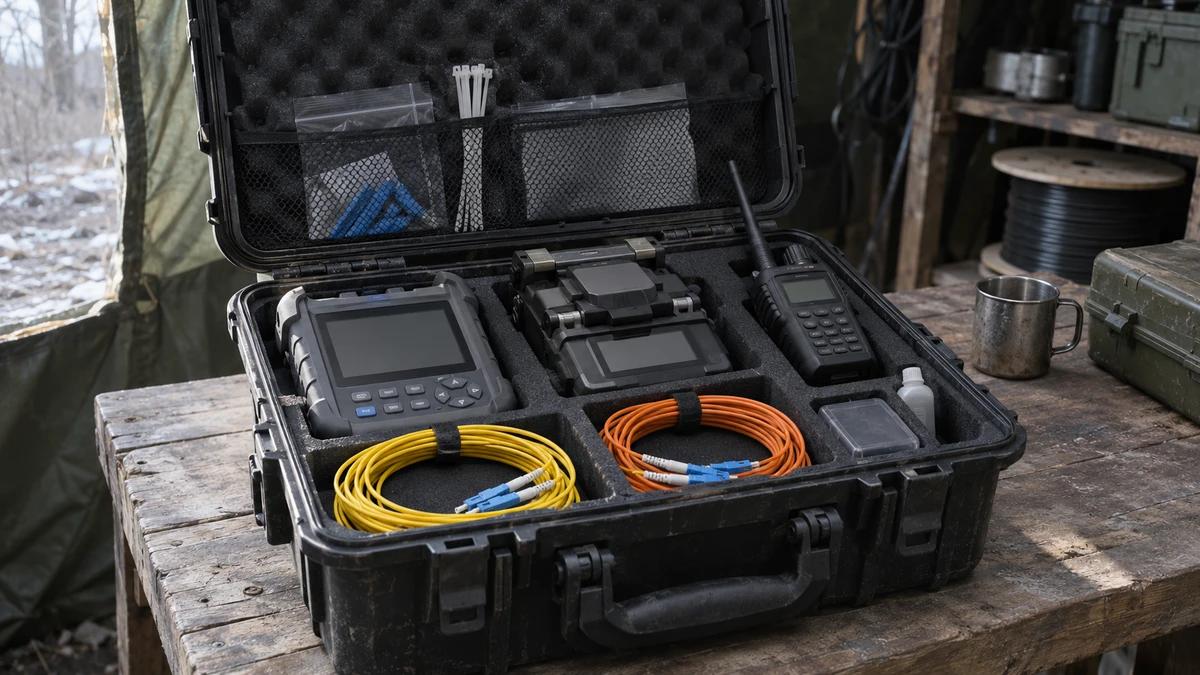
Analog or digital ground station for fibre-optic FPV drones
Analog and digital ground stations for fibre-optic FPV drones compared: kit contents, controller, microphone, video recording and accessories. How to choose.

How to choose a fibre-optic spool for an FPV drone: 10 to 50 km
How to choose fibre length for a fibre-optic FPV drone: 10, 15, 20, 25, 30, 35, 40 or 50 km, how to measure the route and which spool fits which drone.
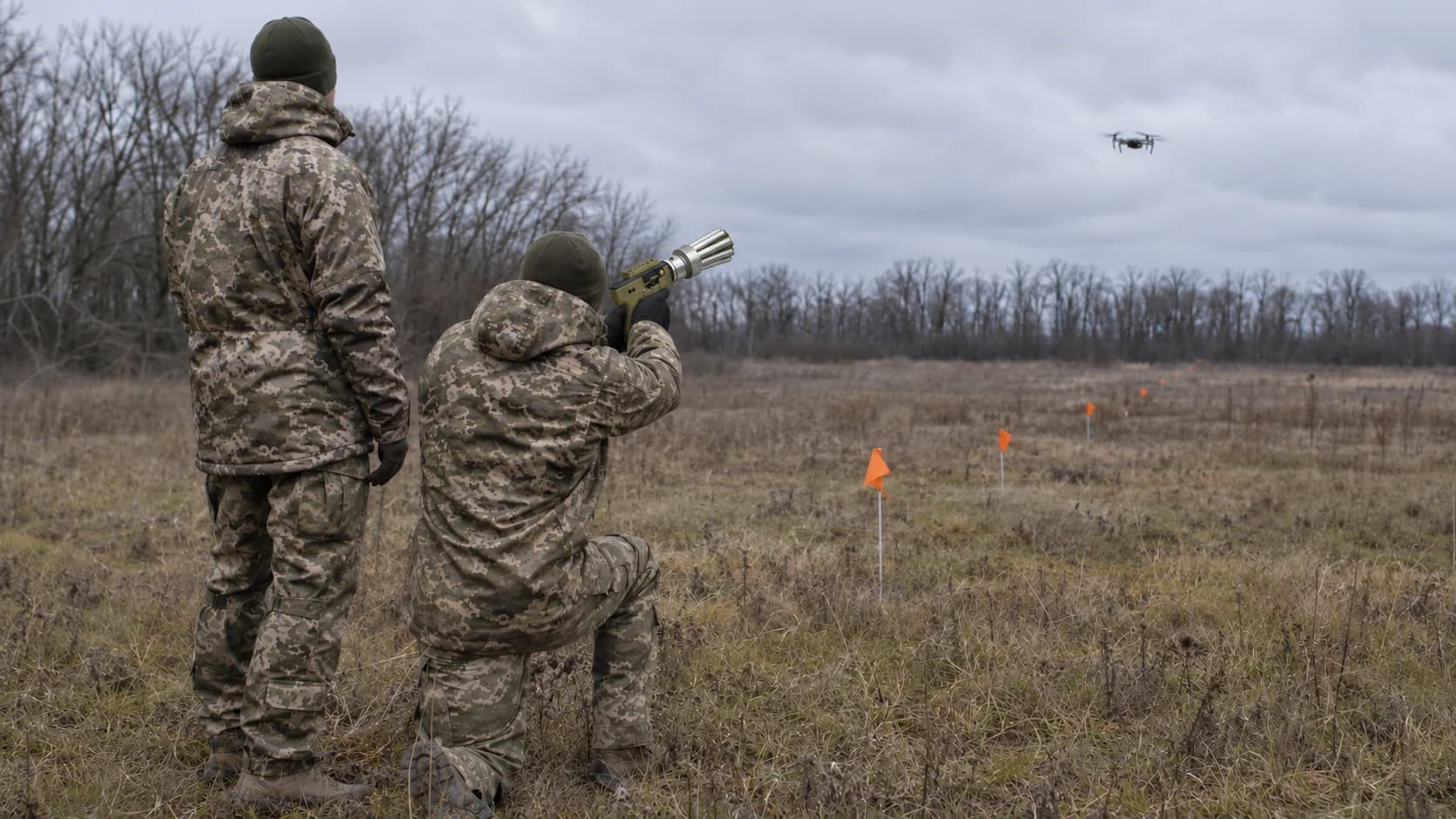
Handheld net launcher training
How to organise training with the Ptashka handheld net launcher: five stages, work with a training mock-up, exercise debriefs and cartridge records.
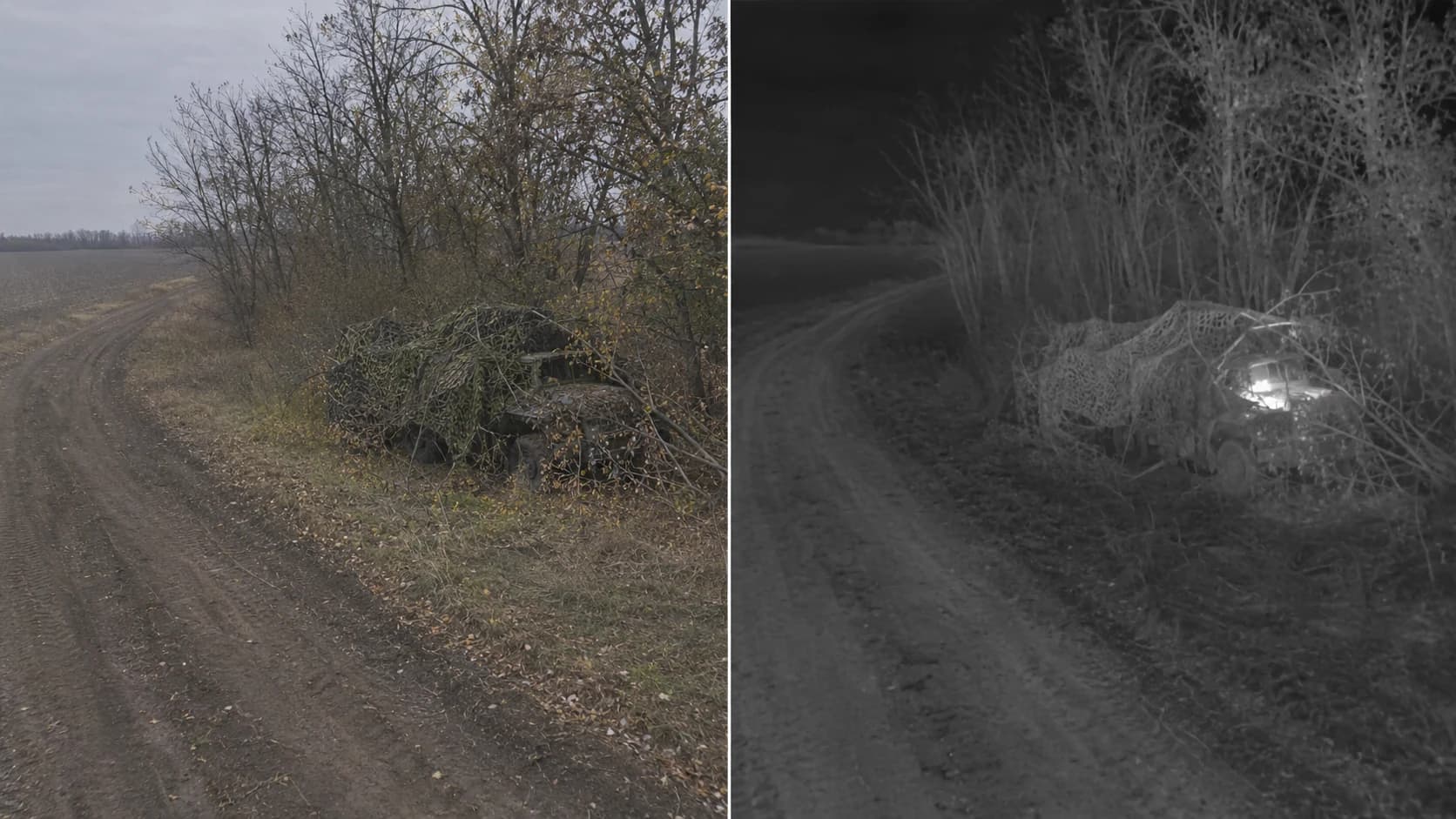
Day or thermal camera for FPV drones
Day and thermal FPV cameras compared by lighting, detail and limitations, with the camera options on Ptashka fibre-optic drones.
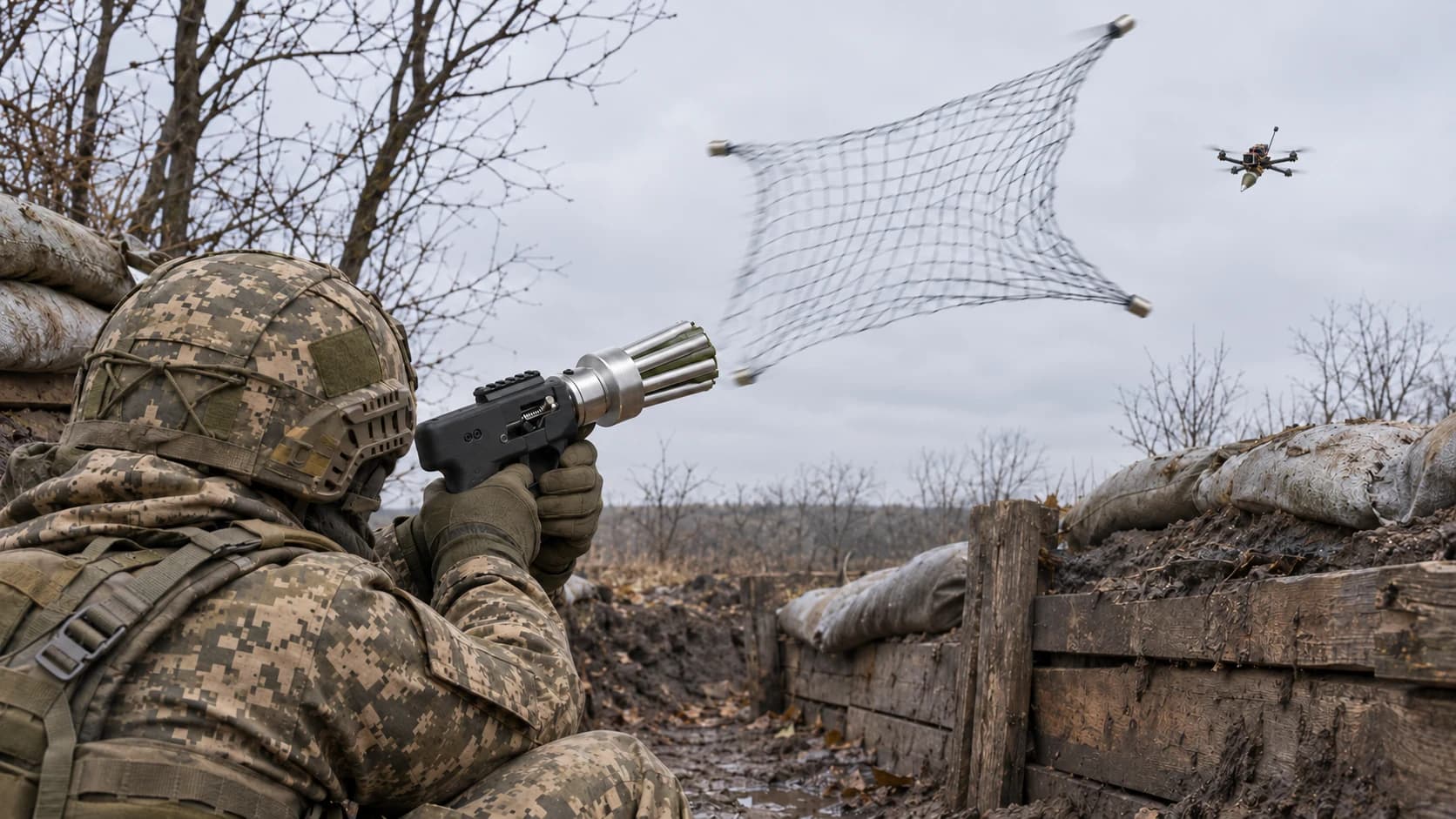
Handheld net launcher or shotgun against FPV drones
A handheld net launcher and a shotgun compared for FPV defence by weight, principle, shots and limitations, plus the Ptashka net gun kits.
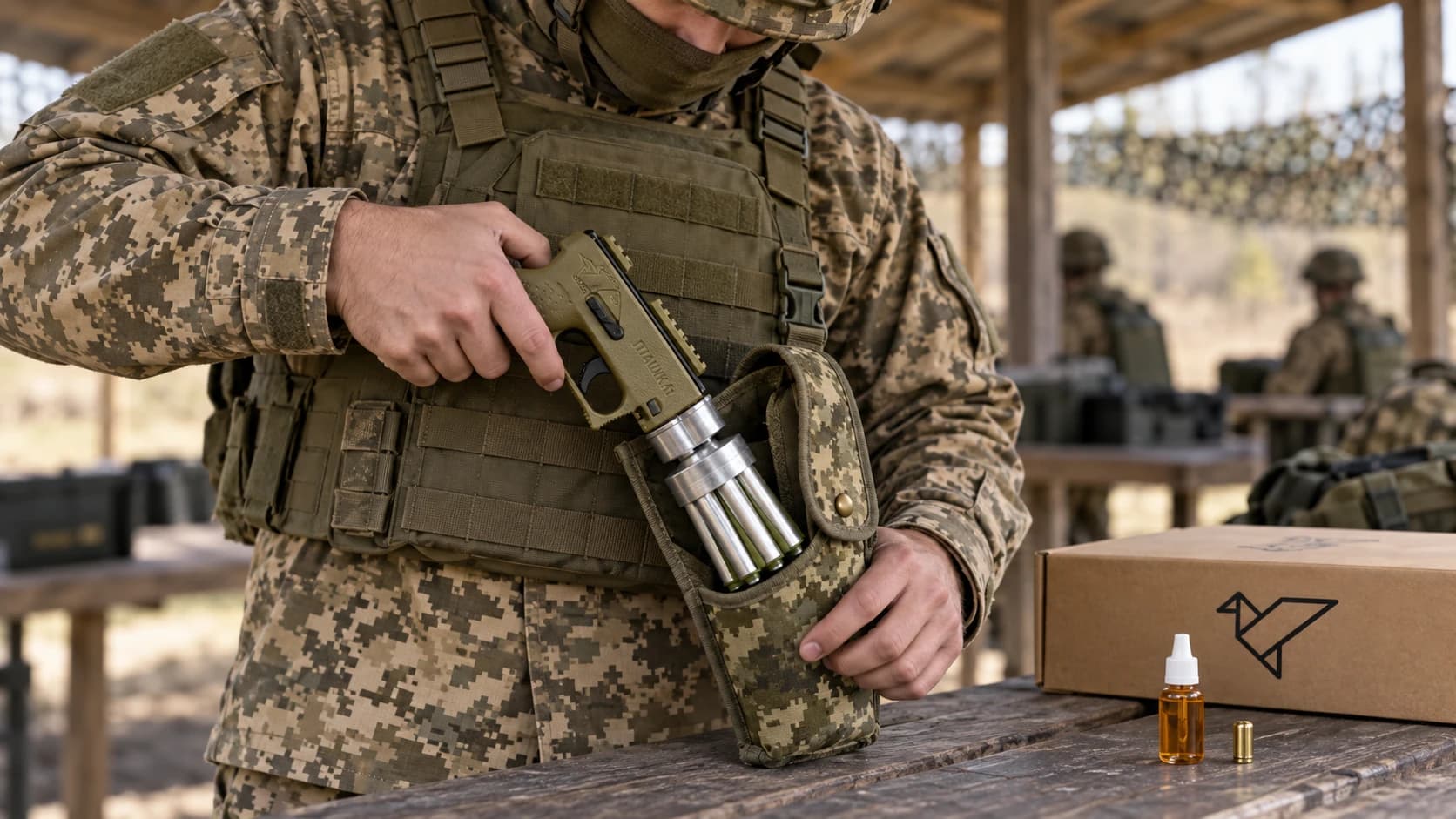
Choosing a handheld net launcher kit
Compare the confirmed contents of Ptashka Basic, Middle and Max handheld net launcher kits. Check the product version, documentation and indefinite free repair and service.
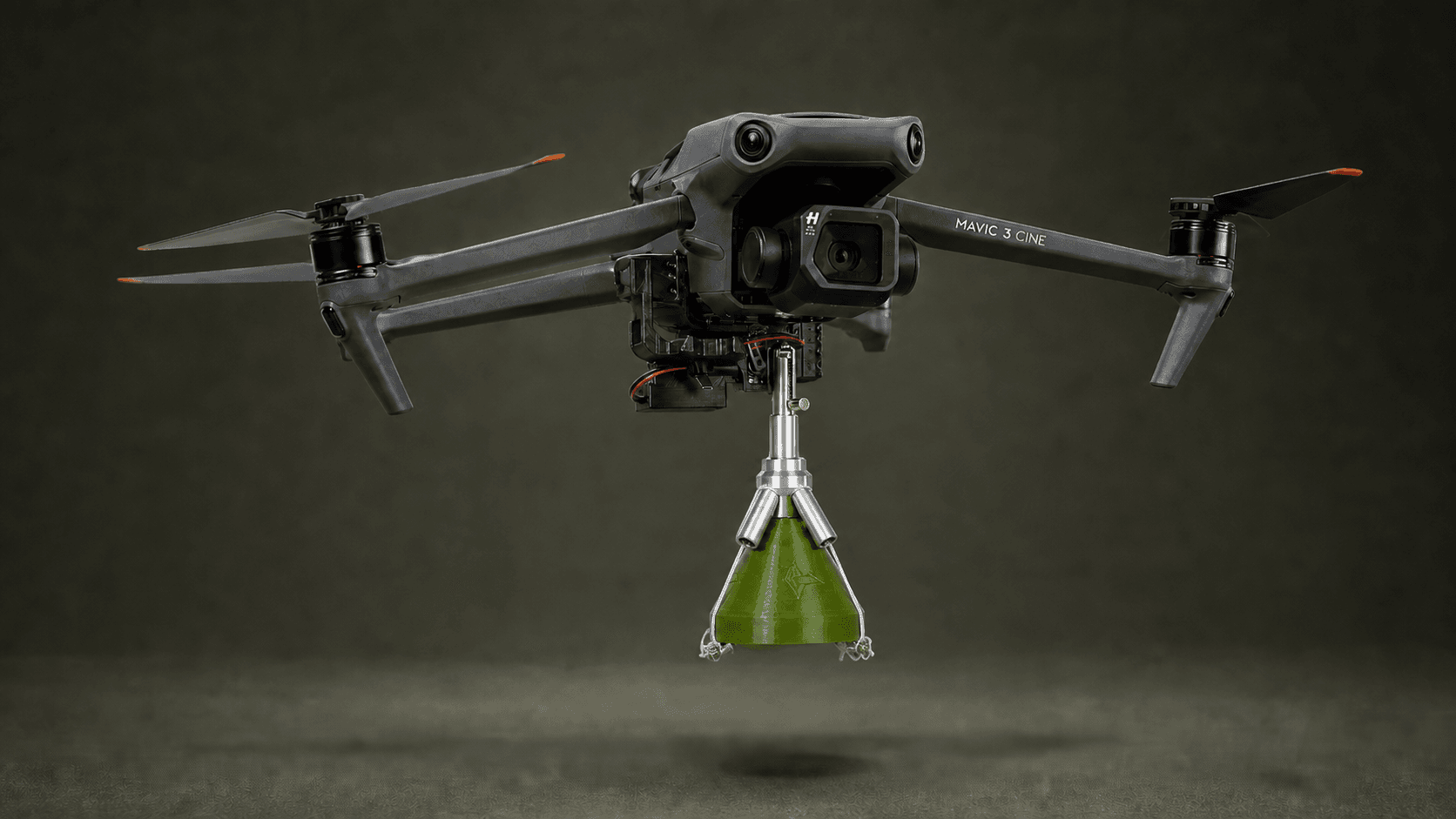
Mavic and Autel net launcher compatibility
Understand the distinction between a drone-carried net launcher and a handheld system. Confirm the precise Mavic, Autel or Matrice platform, version and supply before ordering.

FPV drone net launcher
How an FPV-carried net launcher differs from handheld and Mavic formats. Check the precise platform, module version, supplied contents and documented limitations.
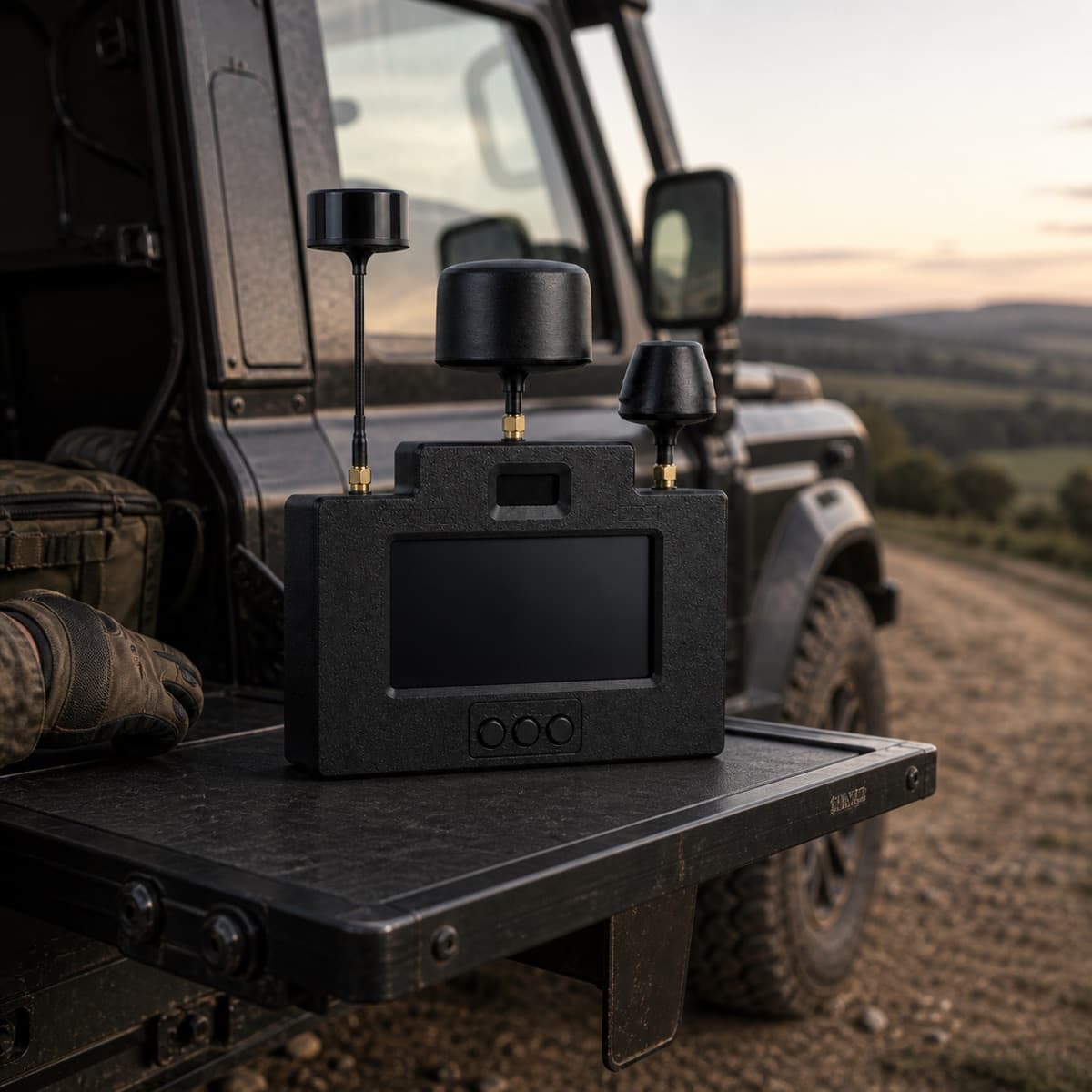
RF detection, electronic warfare and physical protection
Understand the differences between analog RF reception, radio-electronic countermeasures and physical interception, including the limits of Ptashka’s detector and net launchers.
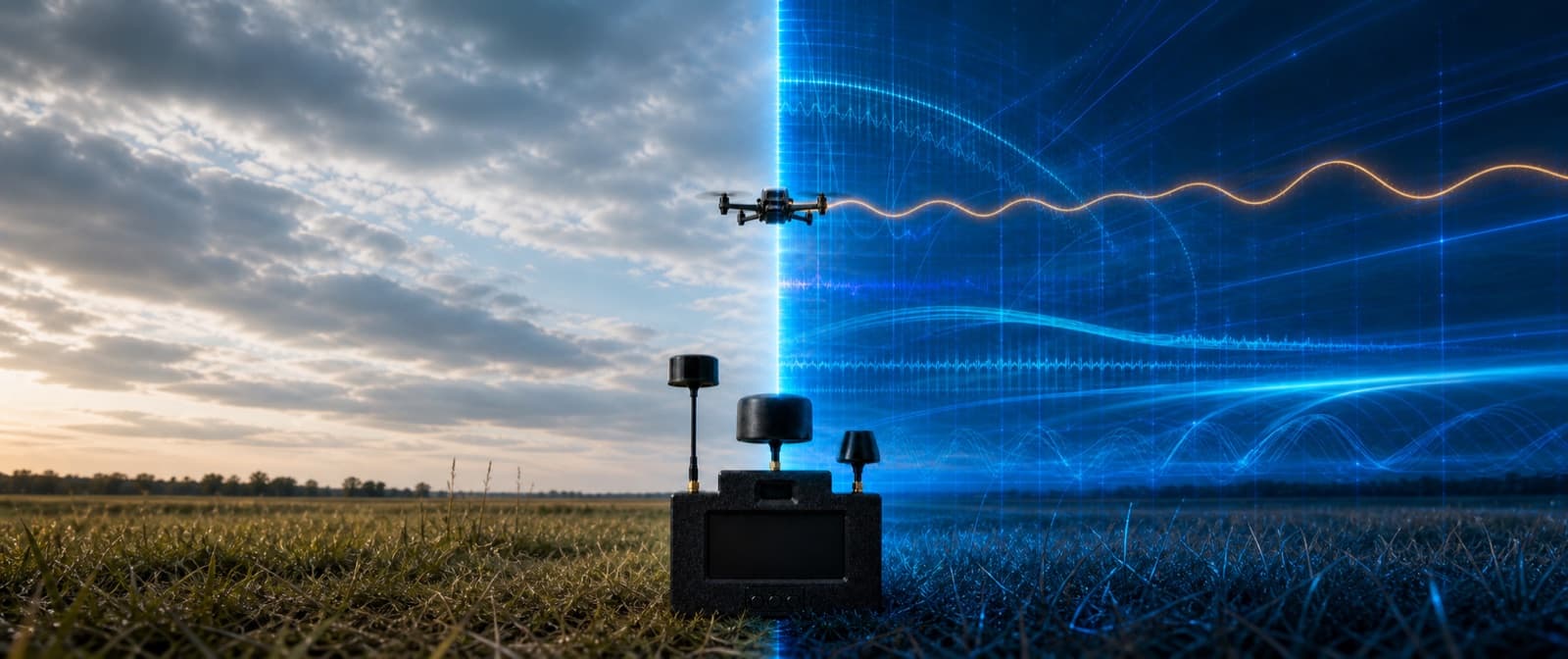
RF detectors for teams, facilities and vehicles
Compare portable detector requirements for teams, facilities and vehicles without assuming universal coverage. Understand the analog-only Ptashka receiver and its limits.
Common FPV drone formats
Compare radio-linked and fibre-optic FPV formats by compatible equipment, complete supply contents, documentation and support rather than an unsupported popularity ranking.
How a fibre-optic FPV drone works
The roles of the optical channel, spool, airborne and ground equipment. Learn why fibre length is not guaranteed flight range and what to confirm before ordering.
Choosing an FPV drone
Check the aircraft version, controller and video compatibility, included equipment, power specifications, documentation and support before ordering an FPV drone.
An RF detector in a UAV detection system
How a portable RF detector contributes information to a wider UAV detection process, what Ptashka’s analog-only receiver can show, and why its limits matter.
What an RF drone detector can and cannot do
Distinguish supported RF reception and analog video from aircraft identification, coordinates and universal detection. A practical explanation of Ptashka’s limits.
Choosing a portable drone detector
Compare supported signals, frequency bands, displays, battery specifications and support before buying a portable drone detector. Understand Ptashka’s analog-only scope.
What is a fibre-optic drone?
Understand how fibre-optic FPV differs from a radio link, the roles of the airborne and ground parts, and why fibre length does not guarantee flight range.
What is an FPV drone?
An introduction to First Person View drones: the camera, video link, viewing equipment and control functions, with the differences between radio and fibre-optic formats.