Day or thermal camera on an FPV drone: how to choose for the task
05.11.2026
By Ptashka Drones Editorial Team
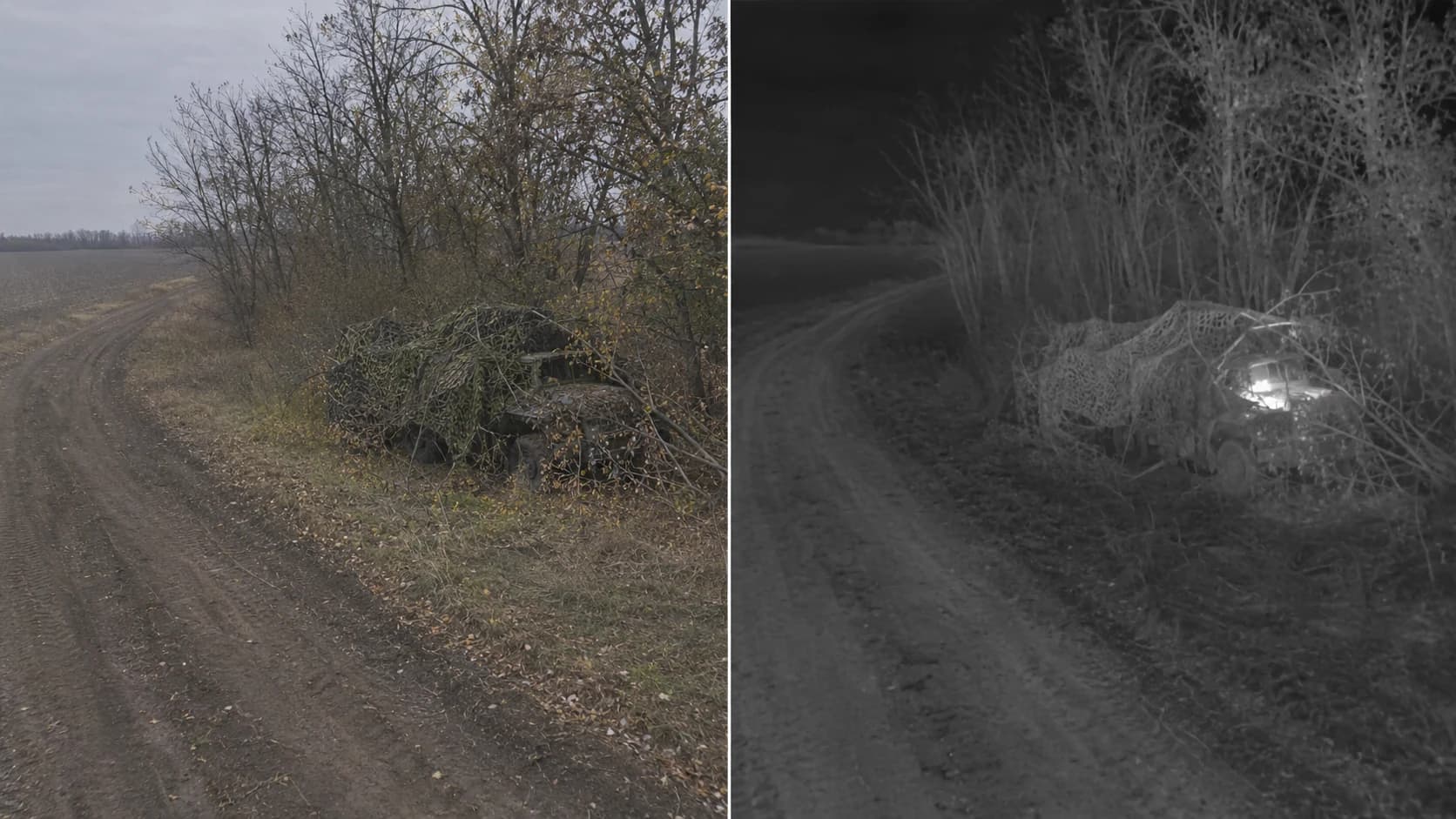
A day camera gives a detailed image when there is enough light. A thermal camera shows heat contrast and works in darkness without visible illumination. Both options are available in different configurations of Ptashka fibre-optic FPV drones. Below we compare how these cameras work and which parameters to confirm before ordering.
Which cameras Ptashka drones use
| Model | Day camera | Thermal camera | Fibre length |
|---|---|---|---|
| Ptashka-10-O | Analog Caddx Ratel 2, 1200 TVL, or digital Full HD, 60 fps | Thermal 640 × 512 | 15 or 20 km, depending on version |
| Ptashka 13-O/15-O | Analog Caddx Ratel 2, 1200 TVL | Thermal 640 × 512 | 10–30 km, depending on version |
| Ptashka-17-O | Analog Caddx Ratel 2 or digital Ptashka Full HD 1920 × 1080, 60 fps | Thermal 640 × 512 | 50 km |
In these configurations the video signal travels over a fibre-optic cable. The spool length sets the limit of the laid cable, while the actual flight range also depends on the route, power and payload. The sensor resolution and the video chain determine which details the operator sees on screen.
How a day camera works
A day camera captures visible light. With enough light it is easier to tell colour, texture and small details of the scene. The Caddx Ratel 2 supports low-light operation, so it can also be considered for dusk. In complete darkness an optical camera needs illumination.
The digital Full HD option transmits a 1920 × 1080 frame. Assess it together with ground equipment compatibility, latency and image quality on the operator's screen.
How a thermal camera works
A thermal imager registers infrared radiation and shows the difference between surfaces. The image depends on heat contrast, optics and viewing conditions. For the Ptashka models listed here the specifications give a 640 × 512 thermal sensor.
A thermal camera does not need visible light. At the same time dense fog, precipitation and humidity can shorten the viewing range. In smoke the result depends on its density and the conditions. When surface and background temperatures converge, the thermal image loses contrast. FLIR on fog and rain.
Day vs thermal camera
| Parameter | Day camera | Thermal camera |
|---|---|---|
| Lighting | Needs visible light or illumination | Works without visible illumination |
| Scene detail | Shows colour, texture and outlines | Shows heat contrast |
| Fog and precipitation | Visibility may drop | Viewing range depends on fog density and precipitation |
| Dawn and dusk | Detail depends on light | Contrast may drop when surface temperatures converge |
| Cost | Confirmed for the specific configuration | |
How to choose a camera for the task
- Assess the lighting. For an image without visible illumination, consider the thermal option. With enough light, a day camera shows familiar visual detail.
- Decide which details you need. Colour and texture depend on optical image quality; telling surfaces apart by temperature depends on heat contrast.
- Check the configuration. Confirm the exact camera, video signal type, ground station compatibility and the cost of the full kit.
The role of the spool and the ground segment is explained in how a fibre-optic FPV drone works. The difference between fibre and radio links is covered in what is a fibre-optic drone.
Frequently asked questions
Does a thermal camera work in complete darkness?
Yes. It registers infrared radiation without visible illumination. Clarity depends on heat contrast and the camera's capabilities.
Does a day camera work at dusk?
The Caddx Ratel 2 is designed for low light. Without any visible light, optical image quality depends on illumination.
What is the thermal camera resolution on Ptashka drones?
The thermal versions of the 10-O, 13-O/15-O and 17-O list 640 × 512 pixels.
Why does a thermal image sometimes lose contrast at dawn?
Surfaces and background can reach similar temperatures, so the edges between them become less visible. How long this lasts depends on weather, materials and lighting.
Which cameras are available for the Ptashka-17-O?
The model page lists analog day, digital Full HD and thermal cameras. Before ordering, confirm the availability of the camera, spool and ground equipment combination you need.
To confirm the kit and camera compatibility, contact Ptashka Drones.


Related posts
Fixed-wing UAV: what it is and how to choose
What a fixed-wing UAV and wing drone are, how they differ from multirotors, which tasks they suit and the specifications of the Ptashka PD-1.
Starlink drone: how it works
How a Starlink drone works, how a satellite link differs from radio and fibre optics, its limitations and what the Ptashka-17 Starlink can do.
Analog or digital video for FPV
How analog and digital FPV video differ: image quality, behaviour on a weak signal and microphone. What the Ptashka-10 and Ptashka-15 use and how to choose.
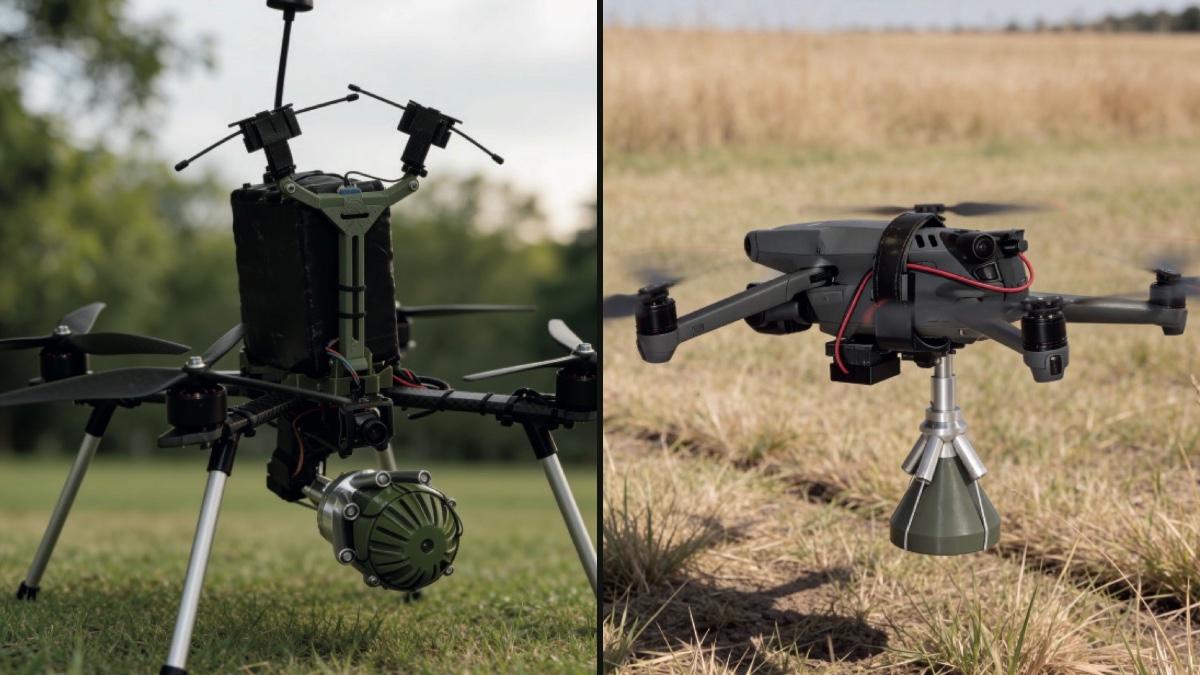
Drone-mounted net launcher: FPV or Mavic
Ptashka drone-mounted net launchers for FPV, Mavic, Autel and Matrice compared: net size, firing distance, weight, activation and compatibility.
Is there a detector for fibre-optic drones
Why an RF detector cannot see a fibre-optic FPV drone and what actually helps spot one: acoustic sensors, observation, reconnaissance drones and physical protection.
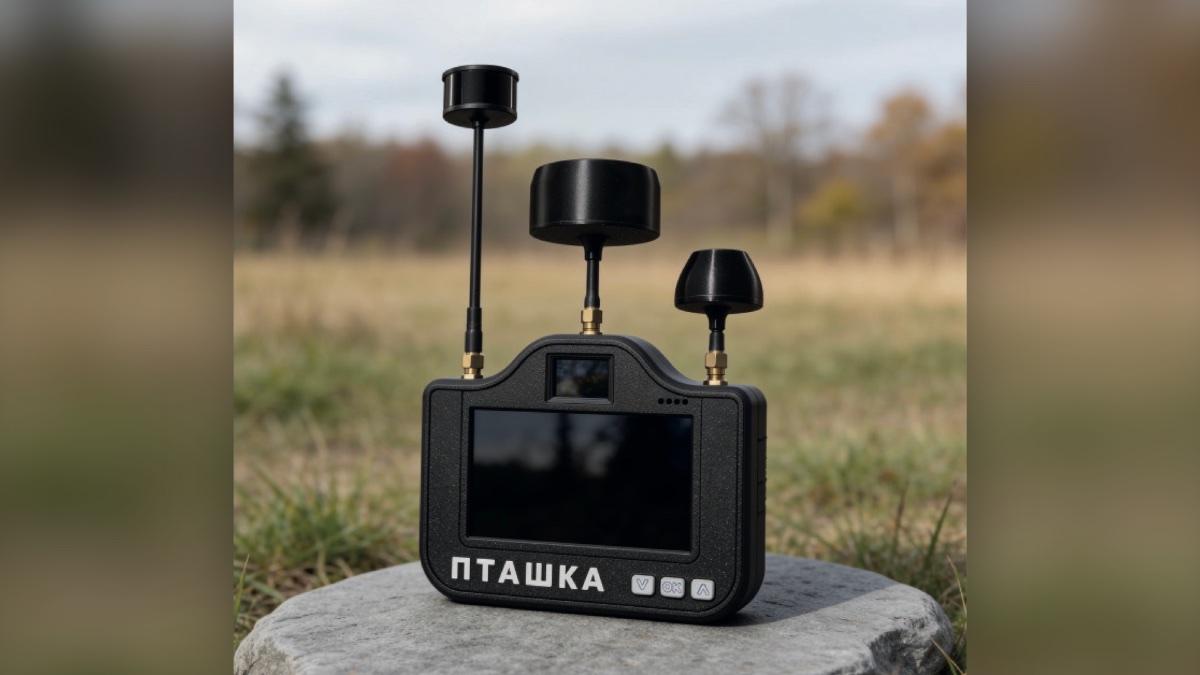
Which frequencies FPV drones use and what a detector sees
Which frequencies FPV drones use for control and video, which bands the Ptashka drone detector scans, and why it does not see DJI, digital video or fibre optics.
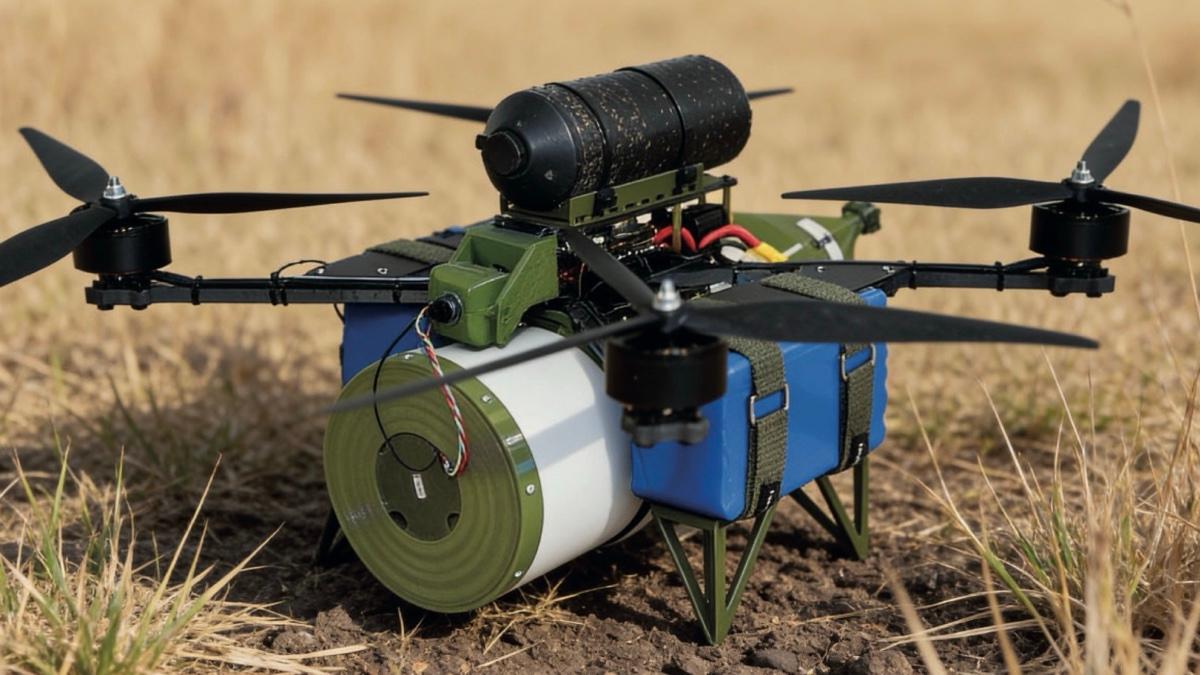
Fibre-optic FPV drone in an ambush: how it works and what the drone needs
How a fibre-optic FPV drone waits for a target in an ambush: ambush mode, landing legs, camera and spool. Suitable Ptashka models and how to protect against ambushes.
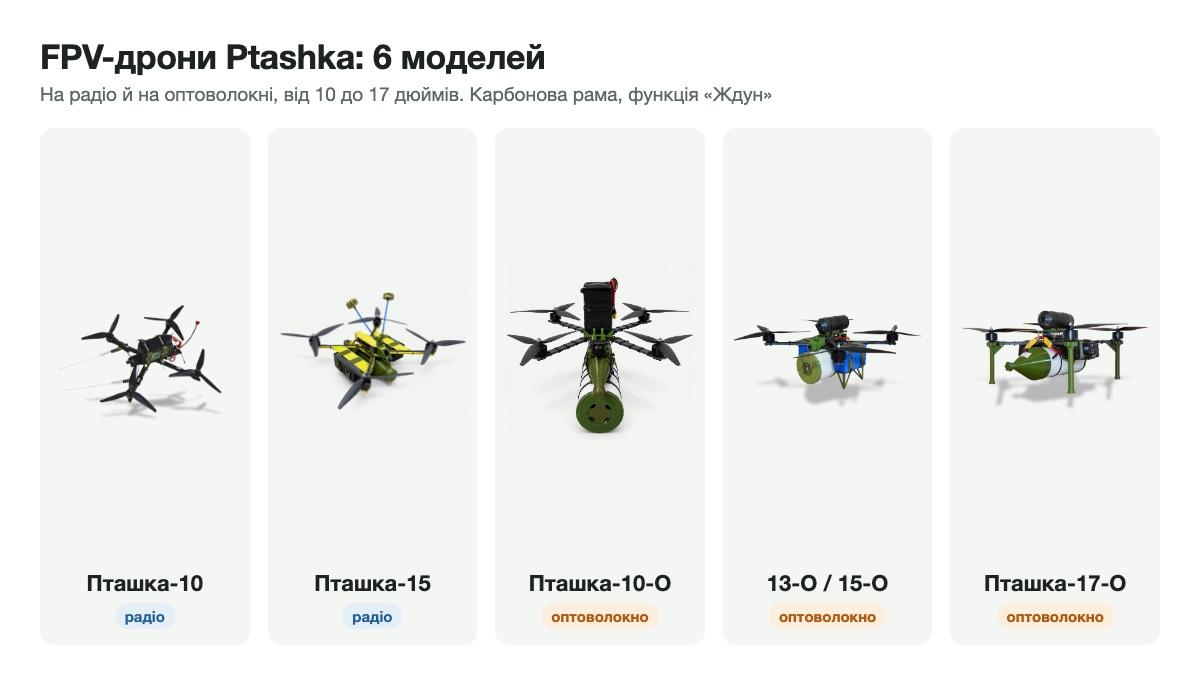
Which Ptashka FPV drone to choose: radio and fibre-optic models compared
Ptashka FPV drones compared: radio, fibre-optic and Starlink models 10, 15, 10-O, 13-O, 15-O, 17-O. Propellers, motors, cameras, range, payload and ambush mode.
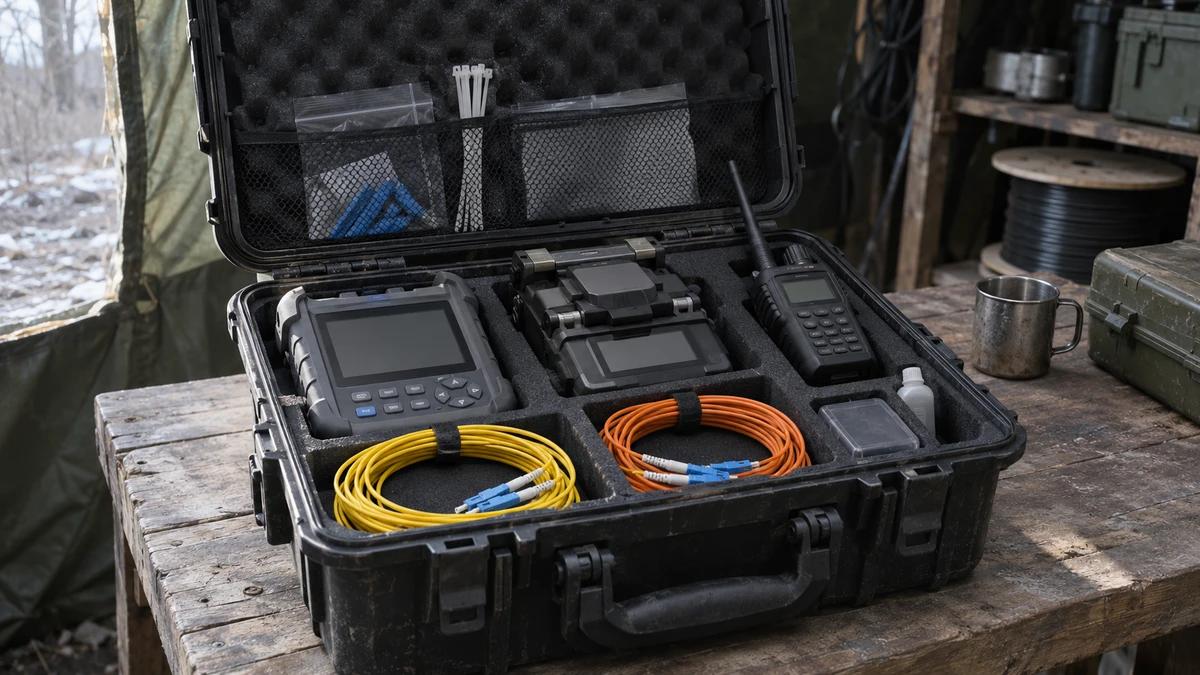
Analog or digital ground station for fibre-optic FPV drones
Analog and digital ground stations for fibre-optic FPV drones compared: kit contents, controller, microphone, video recording and accessories. How to choose.
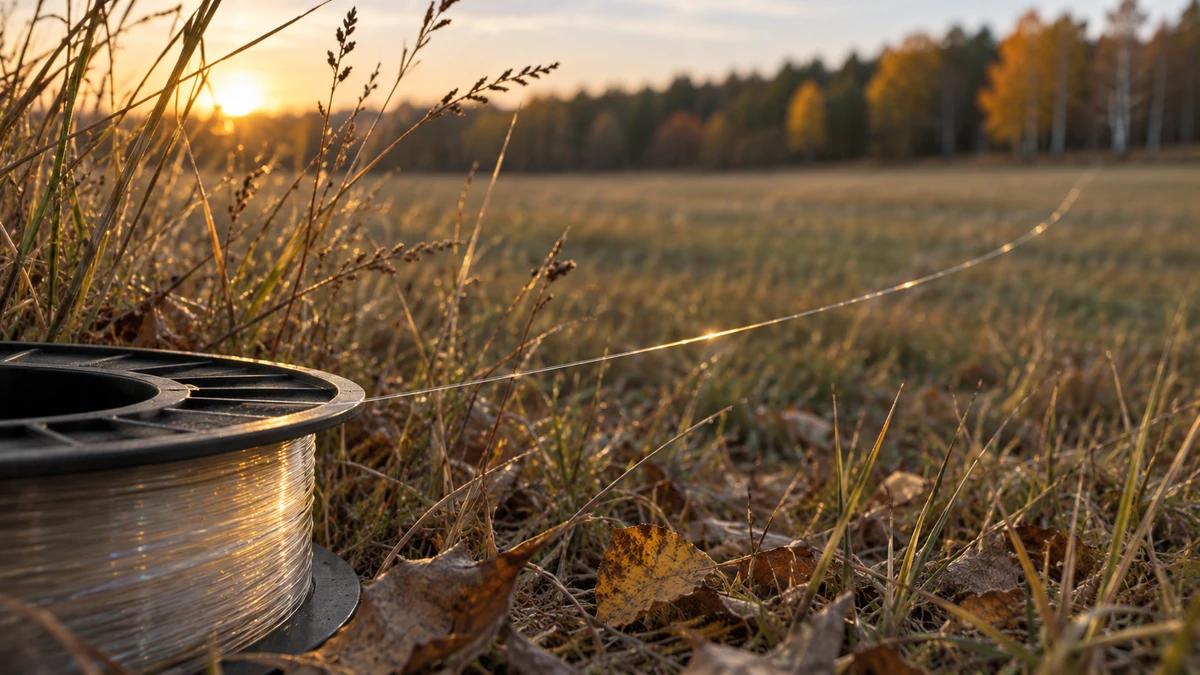
How to choose a fibre-optic spool for an FPV drone: 10 to 50 km
How to choose fibre length for a fibre-optic FPV drone: 10, 15, 20, 25, 30, 35, 40 or 50 km, how to measure the route and which spool fits which drone.
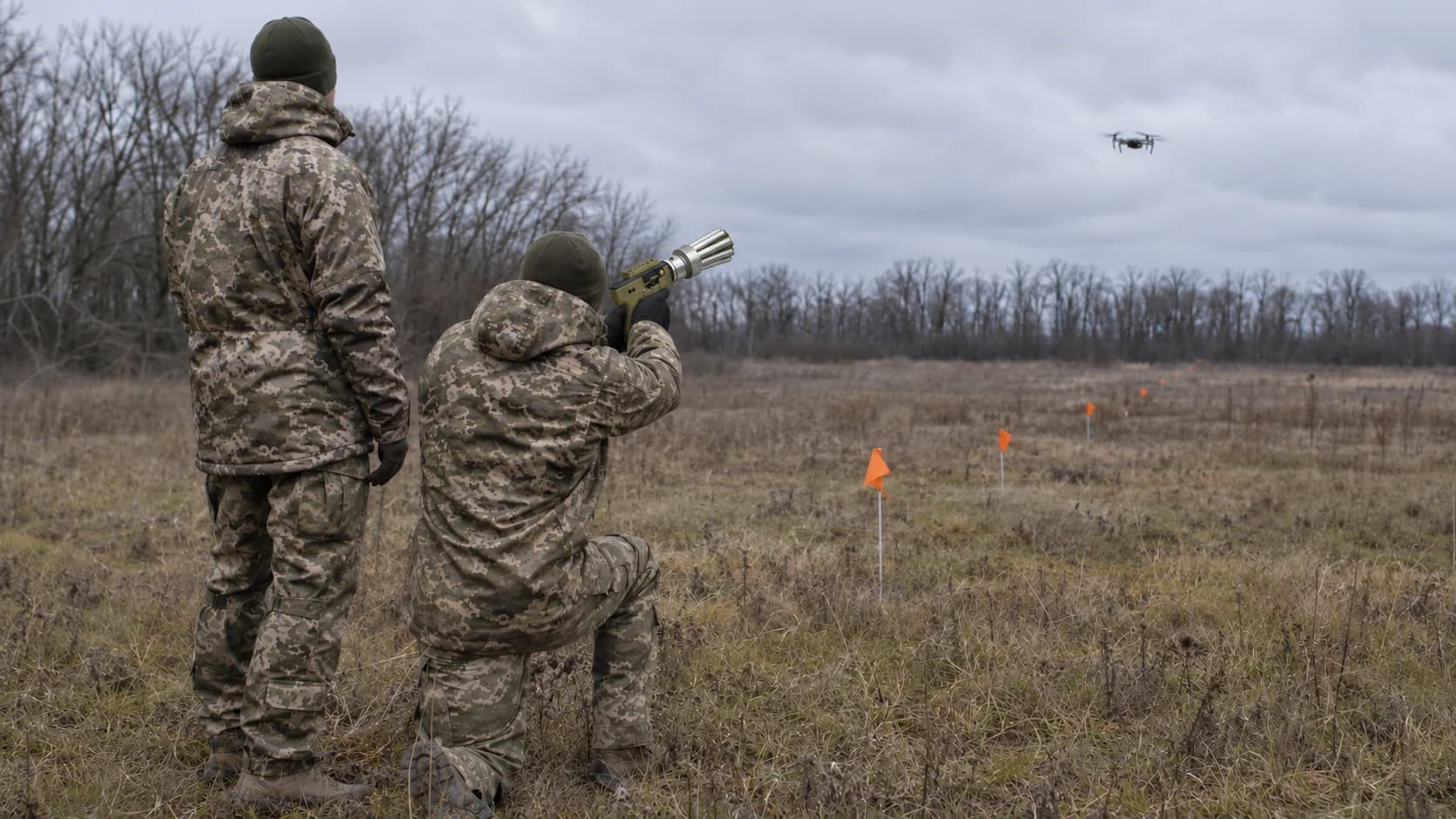
Handheld net launcher training
How to organise training with the Ptashka handheld net launcher: five stages, work with a training mock-up, exercise debriefs and cartridge records.
Handheld net launcher or shotgun against FPV drones
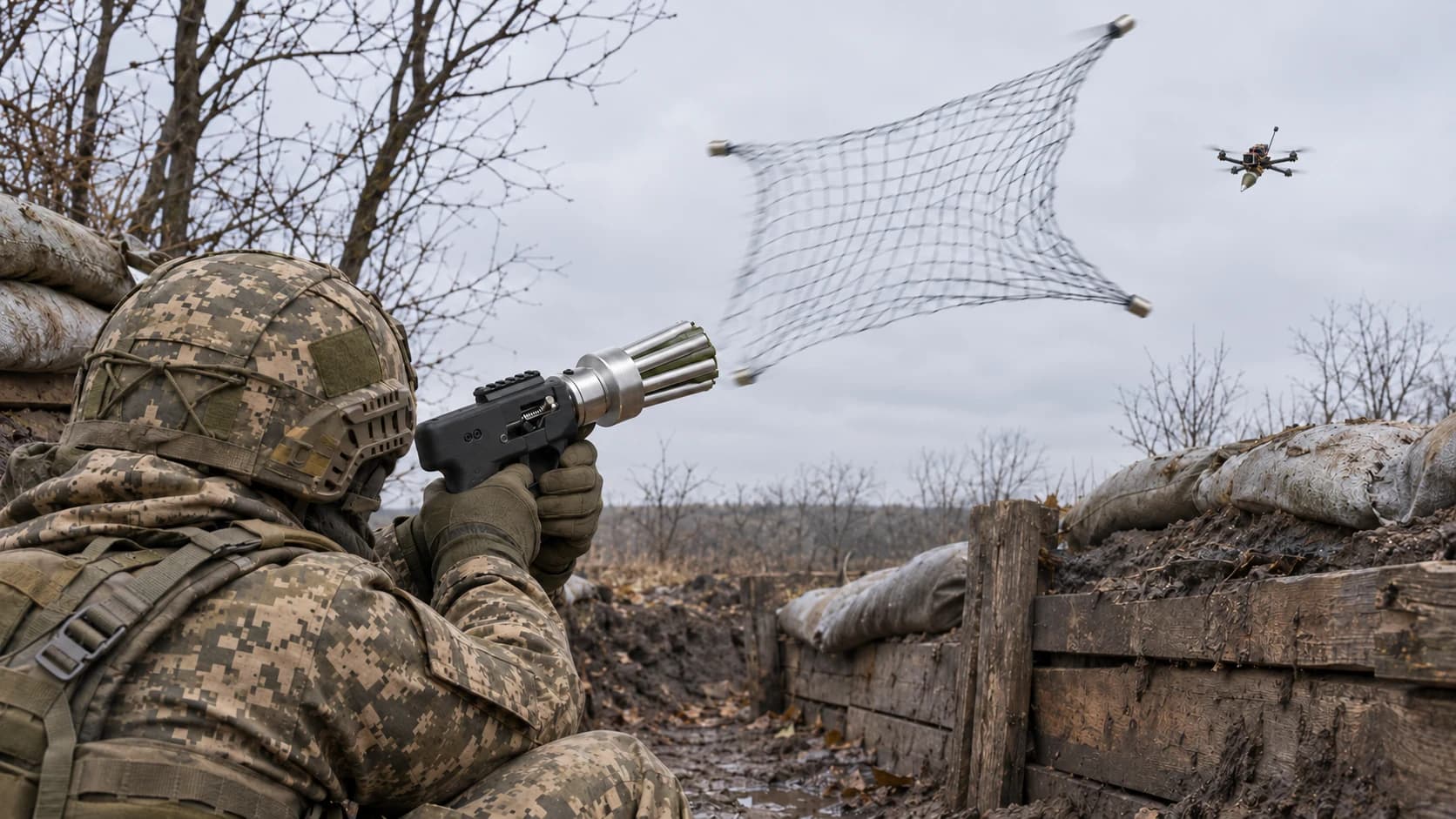
A handheld net launcher and a shotgun compared for FPV defence by weight, principle, shots and limitations, plus the Ptashka net gun kits.
Choosing a handheld net launcher kit
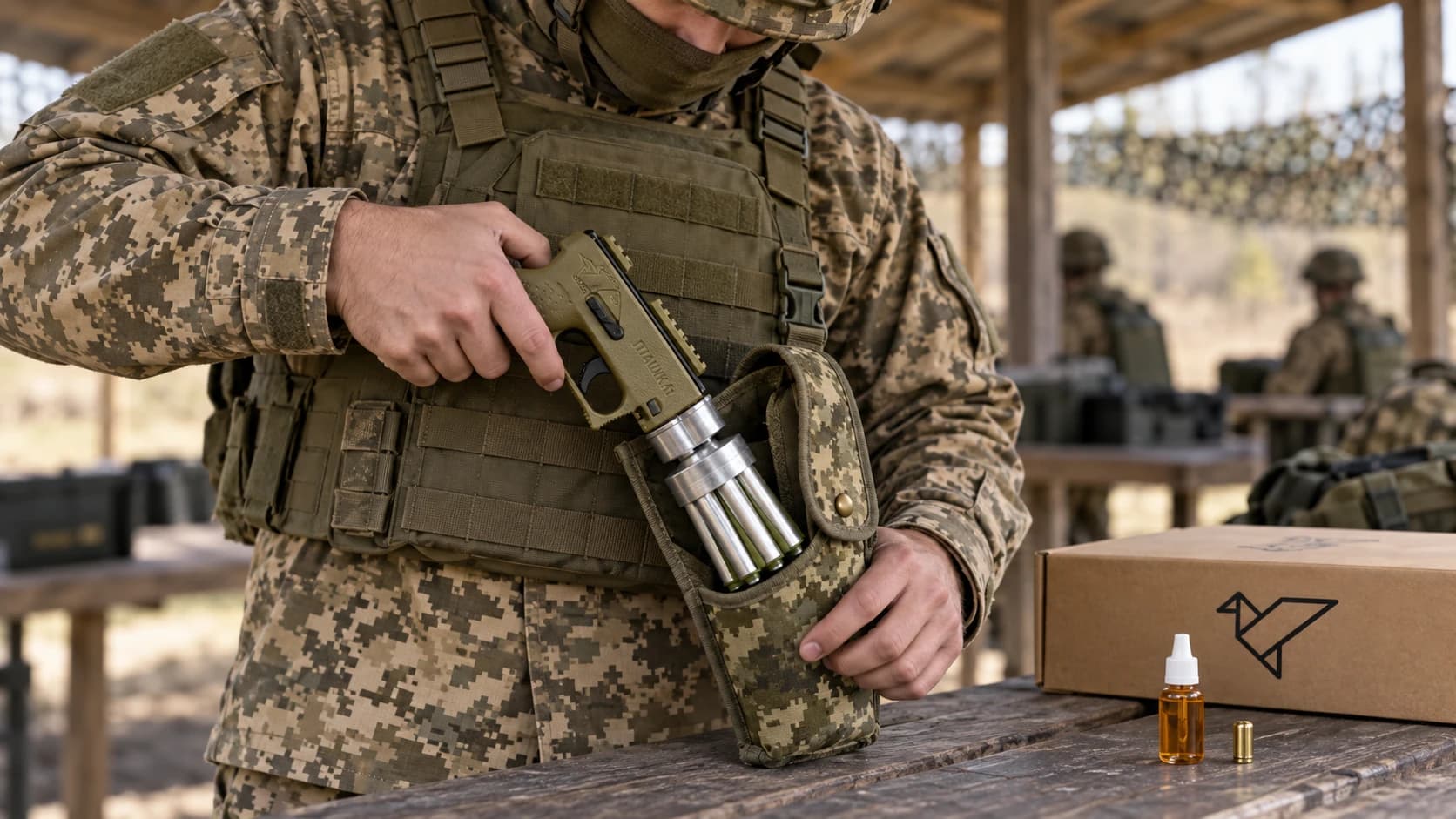
Compare the confirmed contents of Ptashka Basic, Middle and Max handheld net launcher kits. Check the product version, documentation and indefinite free repair and service.
Mavic and Autel net launcher compatibility
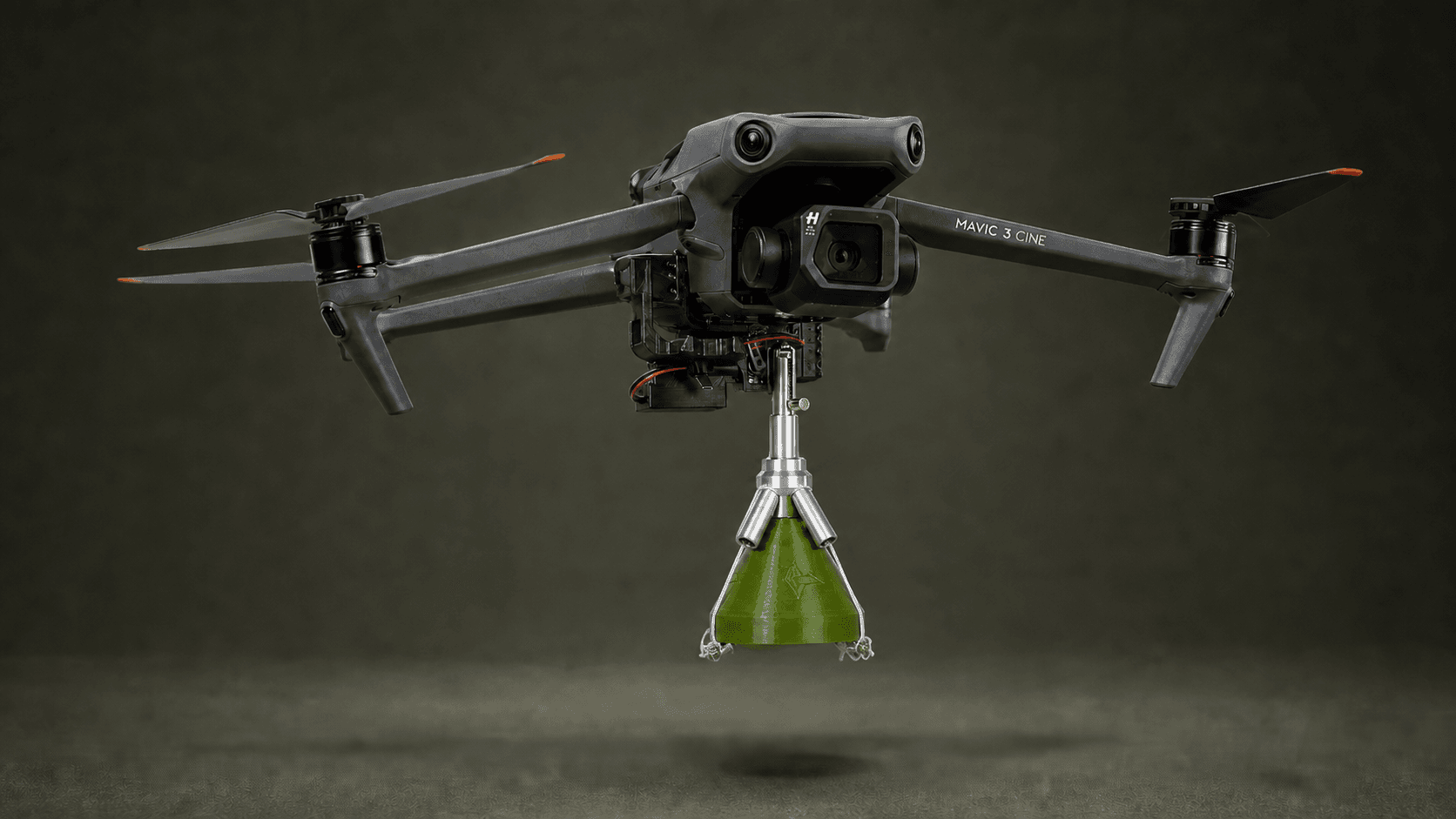
Understand the distinction between a drone-carried net launcher and a handheld system. Confirm the precise Mavic, Autel or Matrice platform, version and supply before ordering.

FPV drone net launcher
How an FPV-carried net launcher differs from handheld and Mavic formats. Check the precise platform, module version, supplied contents and documented limitations.
RF detection, electronic warfare and physical protection
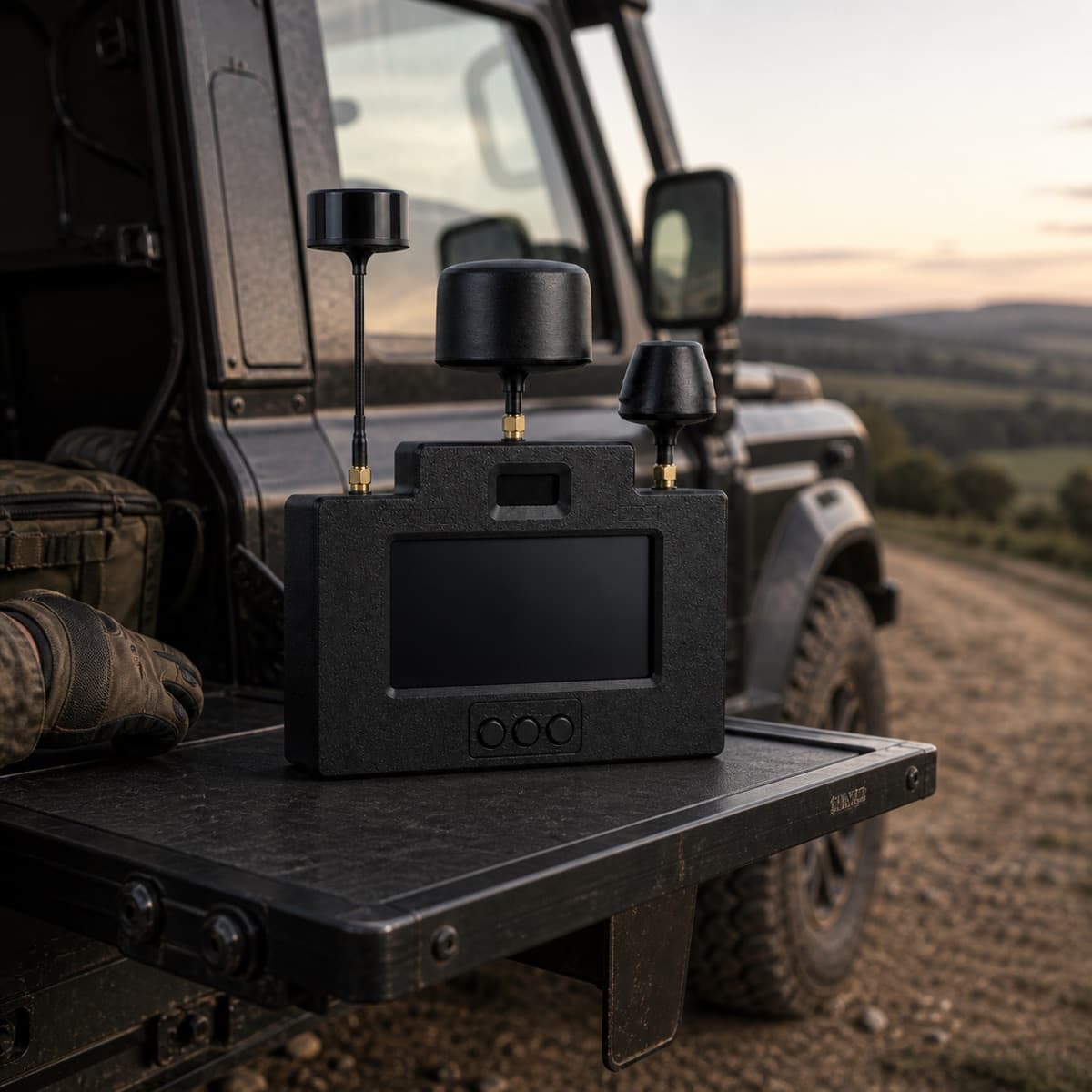
Understand the differences between analog RF reception, radio-electronic countermeasures and physical interception, including the limits of Ptashka’s detector and net launchers.
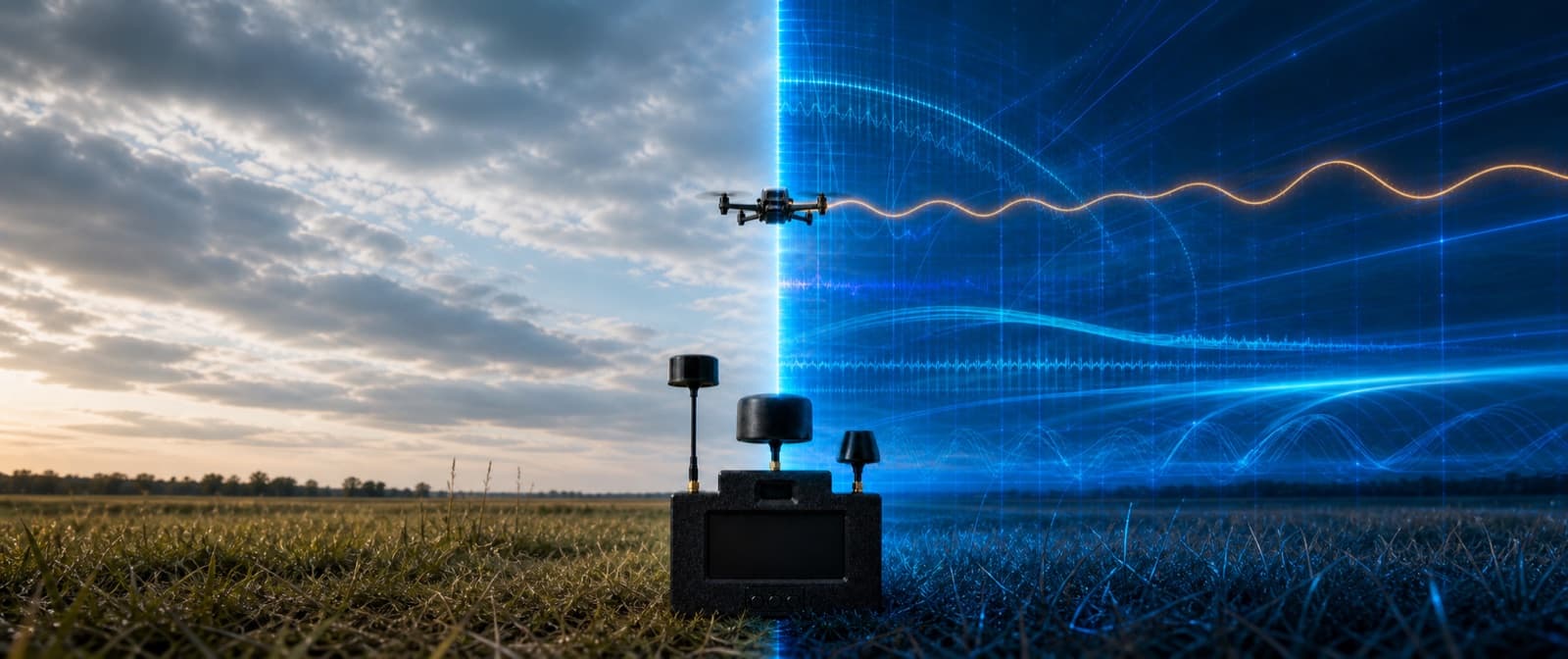
RF detectors for teams, facilities and vehicles
Compare portable detector requirements for teams, facilities and vehicles without assuming universal coverage. Understand the analog-only Ptashka receiver and its limits.
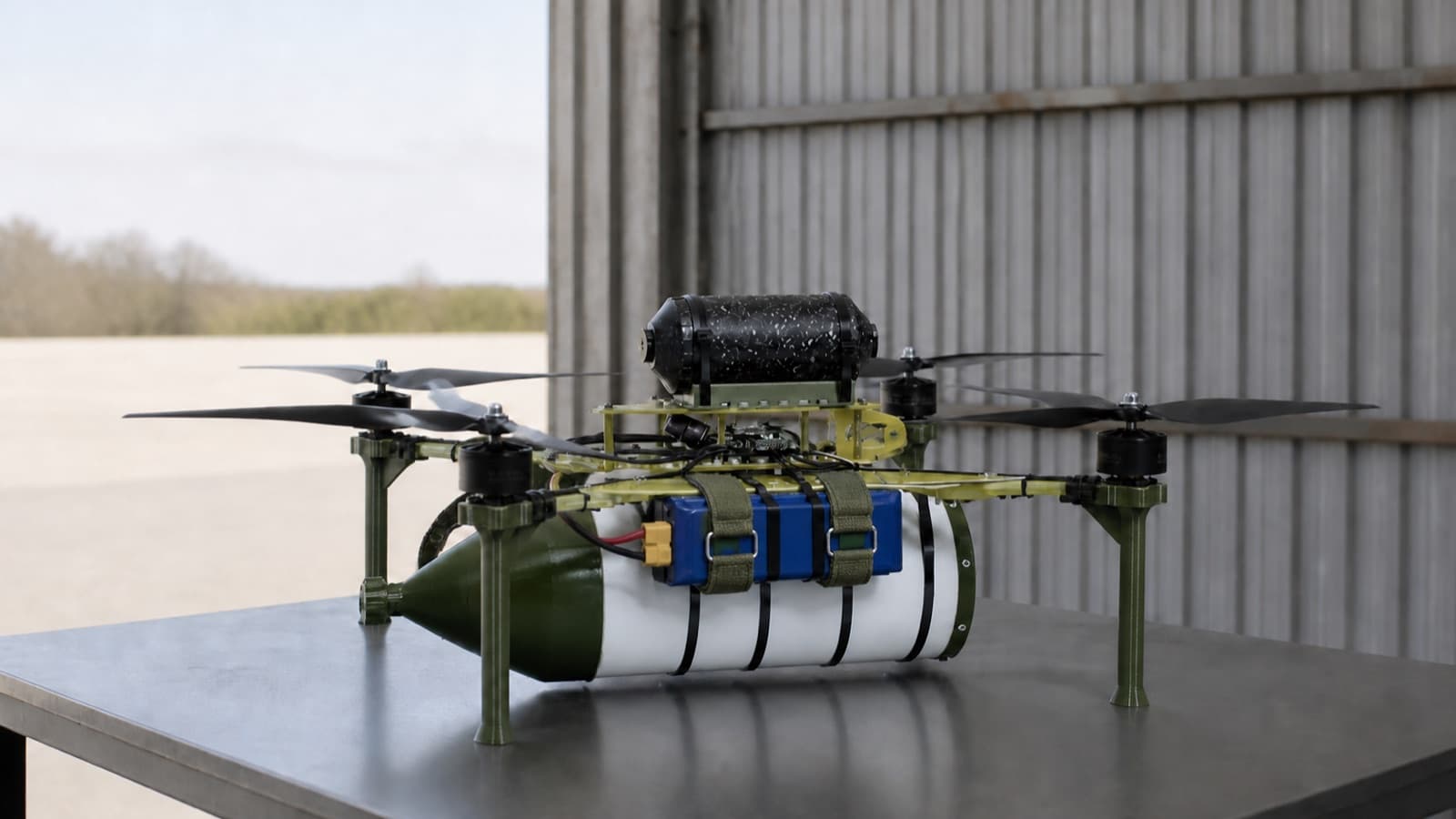
Common FPV drone formats
Compare radio-linked and fibre-optic FPV formats by compatible equipment, complete supply contents, documentation and support rather than an unsupported popularity ranking.
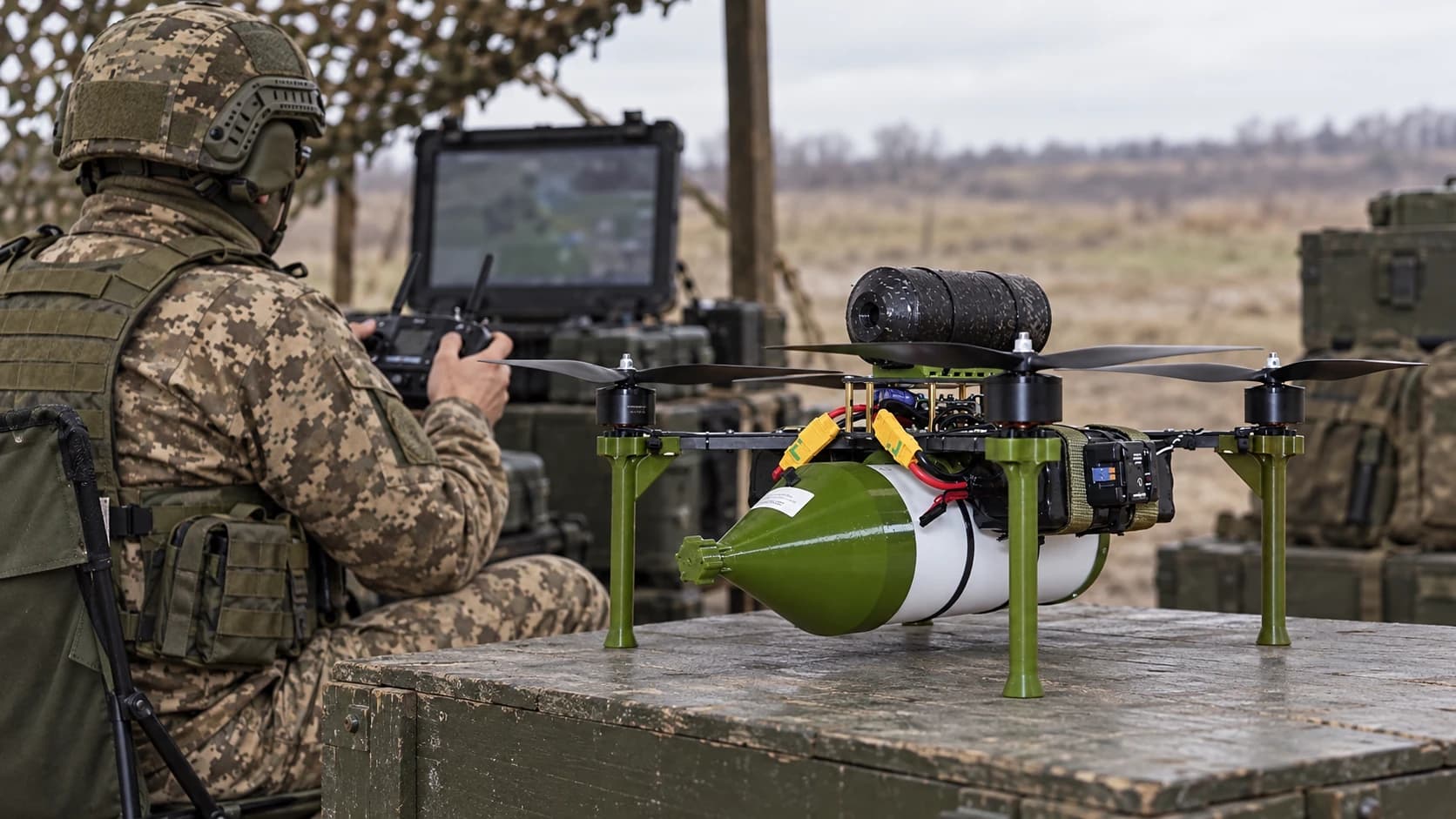
How a fibre-optic FPV drone works
The roles of the optical channel, spool, airborne and ground equipment. Learn why fibre length is not guaranteed flight range and what to confirm before ordering.
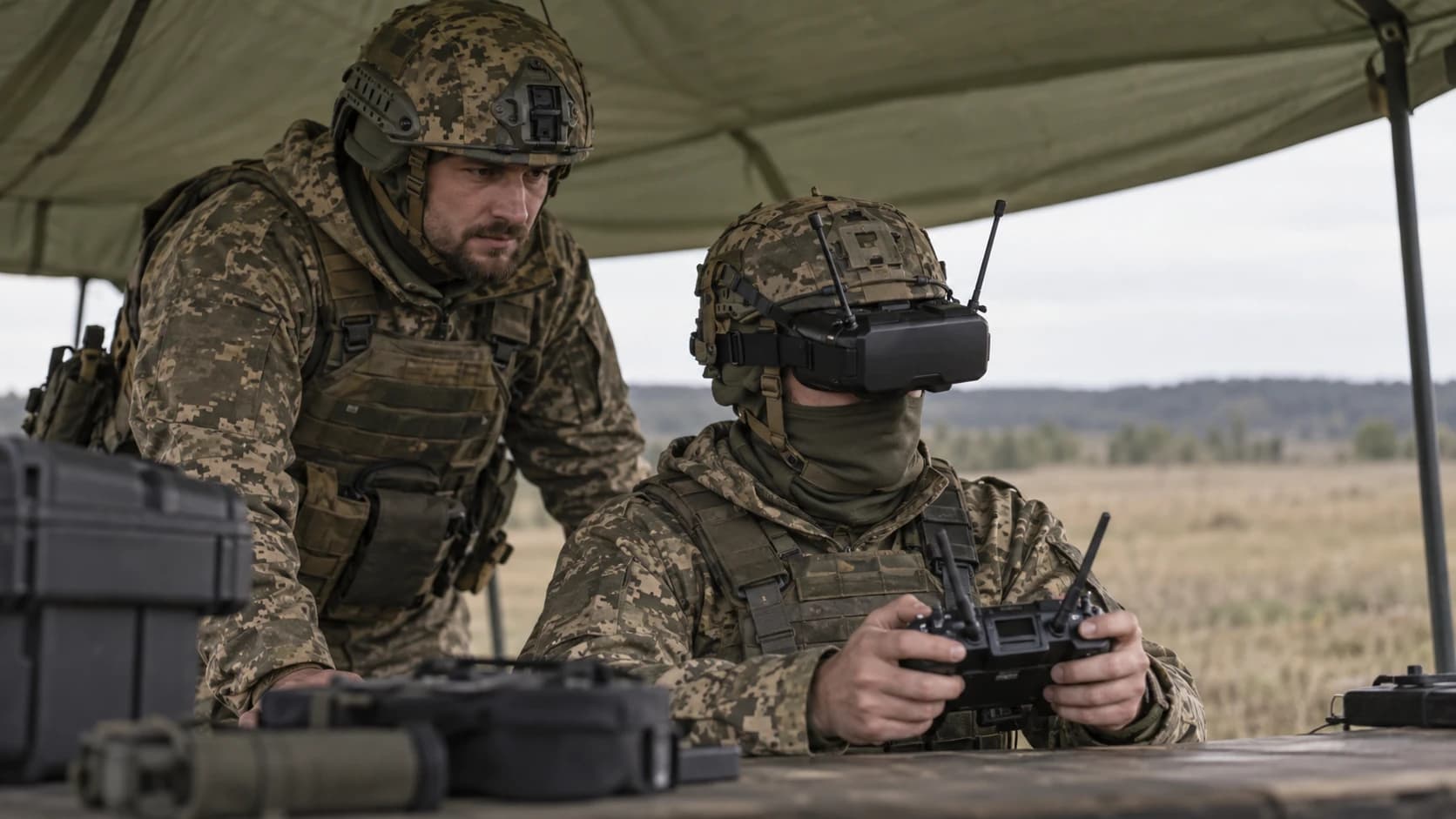
Choosing an FPV drone
Check the aircraft version, controller and video compatibility, included equipment, power specifications, documentation and support before ordering an FPV drone.
An RF detector in a UAV detection system
How a portable RF detector contributes information to a wider UAV detection process, what Ptashka’s analog-only receiver can show, and why its limits matter.
What an RF drone detector can and cannot do
Distinguish supported RF reception and analog video from aircraft identification, coordinates and universal detection. A practical explanation of Ptashka’s limits.
Choosing a portable drone detector
Compare supported signals, frequency bands, displays, battery specifications and support before buying a portable drone detector. Understand Ptashka’s analog-only scope.
What is a fibre-optic drone?
Understand how fibre-optic FPV differs from a radio link, the roles of the airborne and ground parts, and why fibre length does not guarantee flight range.
What is an FPV drone?
An introduction to First Person View drones: the camera, video link, viewing equipment and control functions, with the differences between radio and fibre-optic formats.