Mavic and Autel net launcher: operation and compatibility
21.09.2026
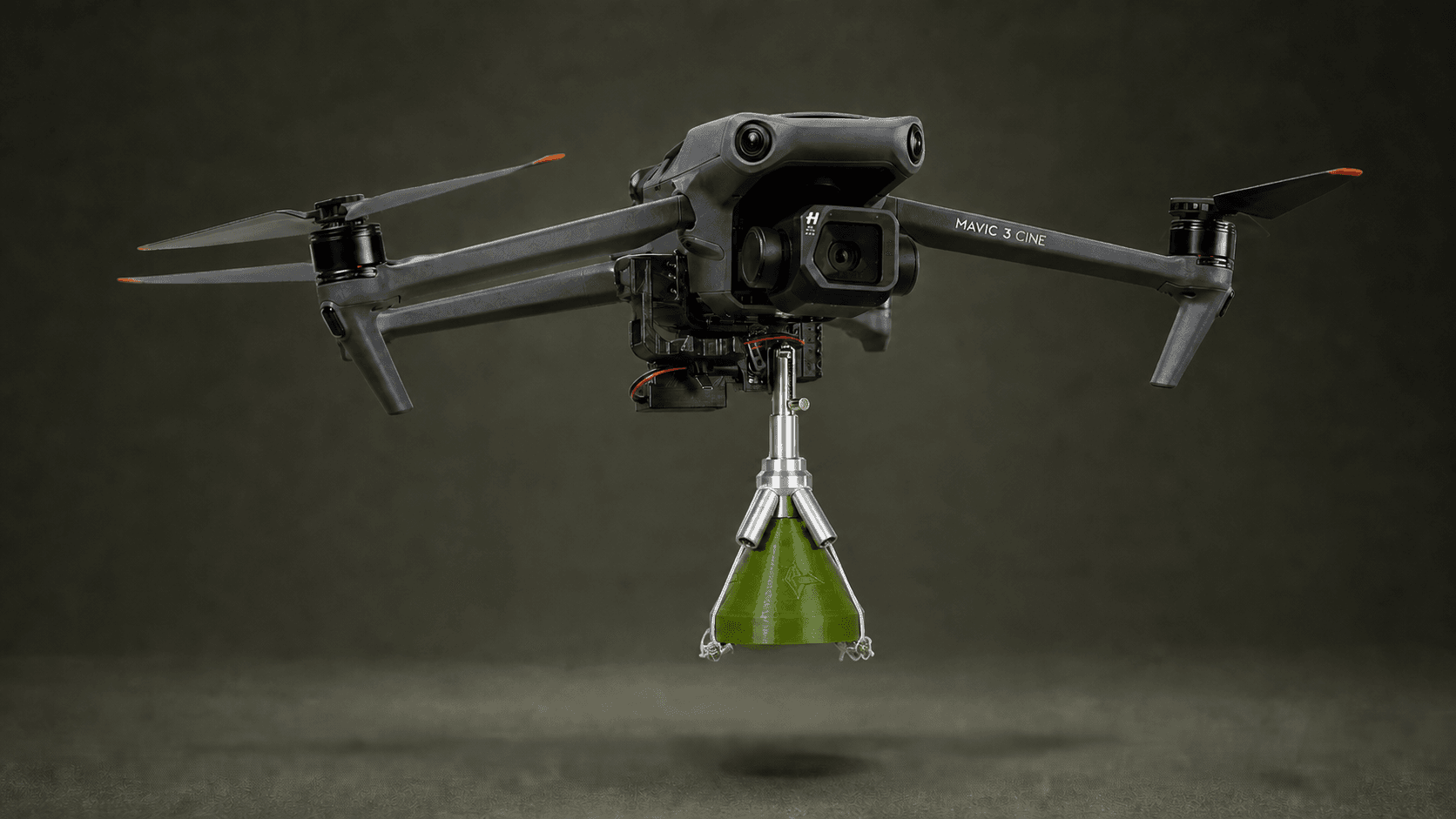
The net launcher for DJI Mavic 3 and adapted Autel/Matrice platforms is an add-on physical interception system. The aircraft carries the device in the air, and the deployed net creates a mechanical obstacle for another UAV. It is not a universal accessory for every model: the exact platform, configuration, payload allowance, and activation method must be confirmed before ordering.
What is a Mavic or Autel net launcher?
DJI Mavic, DJI Matrice, and Autel are aircraft families with different structures, weights, payload capacities, and interfaces. The Ptashka Drones manual explicitly confirms the system for DJI Mavic 3. Adaptation for individual Autel and DJI Matrice models is agreed separately.
This format uses an established platform with a camera, stabilisation, and regular controls. Additional equipment nevertheless changes total weight, balance, and operating time, so these factors must be checked before use.
How the system works
After installation, the drone remains the carrier. The operator controls its movement and monitors the situation through the regular video system. Once activated, the net deploys in front of the platform and may restrict moving parts of another UAV.
Physical interception neither analyses the radio spectrum nor jams communication links. It interacts directly with the object and should be considered one layer of protection, not a replacement for observation, detectors, electronic warfare, or passive barriers.
What compatibility with a specific model means
The check starts with the exact aircraft name and version. The following must then be assessed:
- permitted payload;
- mounting-point position;
- effect of added weight on the centre of gravity;
- available power and connector type;
- control method for auxiliary equipment;
- other installed modules;
- platform-manufacturer restrictions.
A shared family name does not mean identical construction. Different Mavic or Autel generations may have different body layouts and payload limits. Compatibility must be confirmed for the exact model and configuration.
How the system is activated
The Ptashka Drones manual specifies activation through the UAV spotlight control. This enables the compatible platform’s regular command to control the add-on system.
The presence of a spotlight or Type-C connector alone does not prove compatibility. Control logic, mounting, electrical parameters, and aircraft behaviour with the additional payload must also be checked.
Ptashka net launcher specifications
The Mavic system manual lists the following specifications:
| Parameter | Value |
|---|---|
| Confirmed platform | DJI Mavic 3; Autel and Matrice adaptation on request |
| Net size | 3.5 × 3.5 m |
| Dimensions | 210 × 140 × 110 mm |
| Loaded system weight | 350 g |
| Calibre | 9 × 21 mm blank |
| Power | 5 V onboard power from the UAV |
| Cable | Double-ended Type-C male |
| Launch distance | 1–6 m |
| Deployment and activation | 4–5 m; UAV spotlight control |
The system is available in central, side-mounted, and 50-degree configurations. It may be connected only to a 5 V power source, not to fast chargers.
View the Ptashka launcher for Mavic, Autel, and Matrice.
Mavic, Autel, and DJI Matrice
The correct name of DJI’s professional product family is Matrice, not Matrix. Matrice includes several platforms with different structures and purposes, so mentioning the family does not imply support for every model.
The manual explicitly confirms DJI Mavic 3. For Autel and DJI Matrice, “adaptation on request” is the accurate wording until the exact model and mount have been confirmed.
How this version differs from the FPV system
The DJI Mavic 3 system weighs 350 g, uses a 3.5 × 3.5 m net, and is activated through spotlight control. The FPV version weighs 450 g, uses a 3.7 × 3.7 m net, and is activated through a flight-controller Servo output.
These are different products with different integration requirements. Specifications and compatibility conclusions must not be transferred from one version to another.Read about the FPV drone net launcher.
Limitations and safety
After physical interception, a UAV may lose control and fall. If it carries a hazardous payload, the risk does not disappear when its propellers are restricted. The potential fall area and the presence of people, equipment, and infrastructure must be assessed before use.
The system should be used only by trained personnel in accordance with applicable rules and internal procedures. Claims that it requires no special skills or guarantees protection are inaccurate.
Information needed for a compatibility check
Before contacting Ptashka Drones, prepare:
- the complete model name and version;
- photographs of the platform and installed accessories;
- permitted payload;
- available power information;
- information about the spotlight or other regular control channel;
- kit requirements.
The Ptashka Drones team will compare these details with the current system version and confirm whether additional adaptation is required.
Frequently asked questions
Does one launcher fit every DJI Mavic?
No. The manual explicitly confirms DJI Mavic 3. Other generations require a separate check.
Is the system compatible with every Autel model?
No automatic compatibility applies to the entire range. Adaptation for the exact Autel model must be confirmed before ordering.
Is DJI Matrice supported?
Matrice is included among the adaptation directions, but the exact model and mount must be agreed with Ptashka Drones.
How is the system activated?
The manual specifies UAV spotlight control. Implementation is checked for the exact platform.
How does flight time change?
Additional weight affects energy consumption, but the exact result depends on the model, battery, weather, and other factors. It can be determined only for a specific configuration.


Related posts
Handheld net launcher
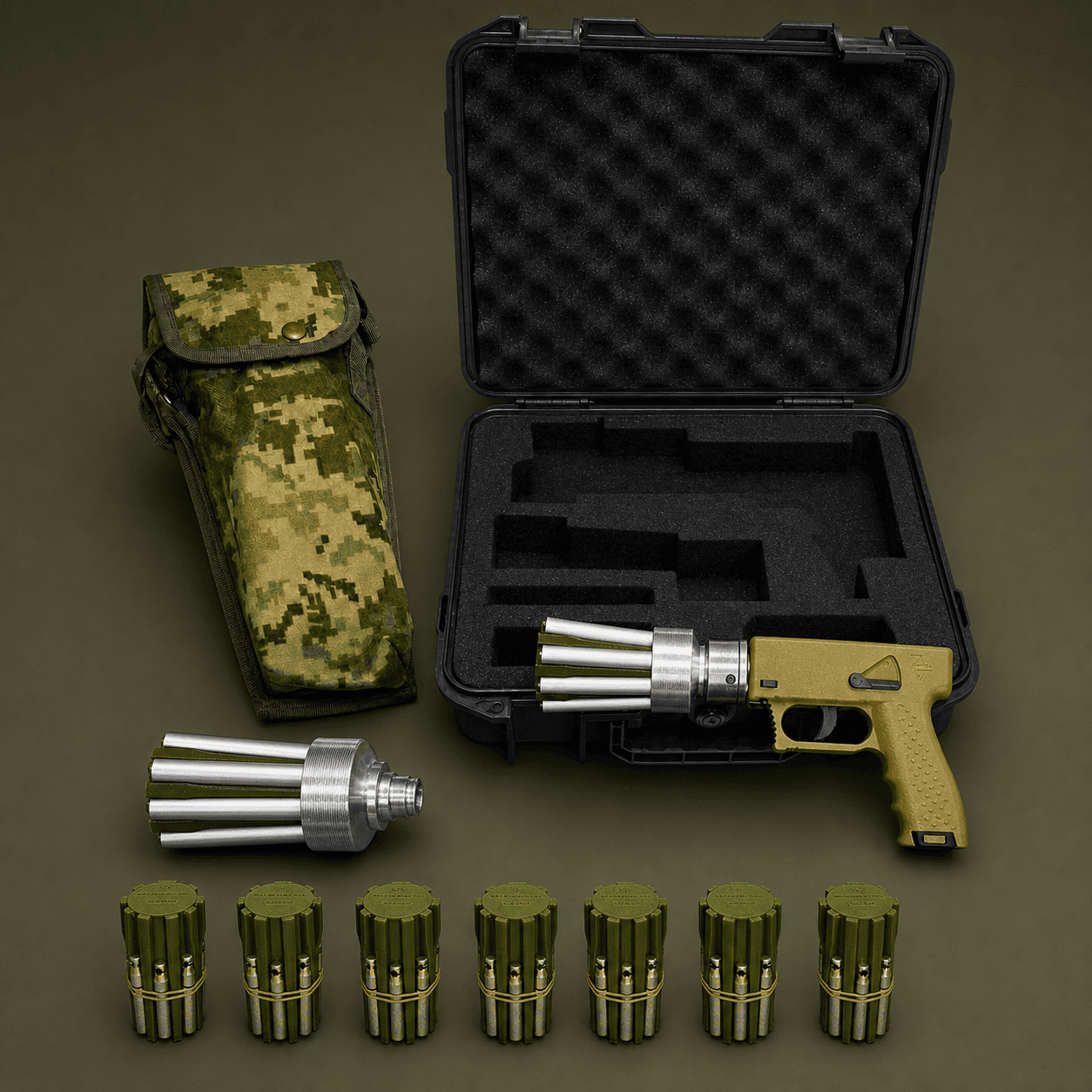
How a handheld net launcher works, its role in physical protection, and the differences between basic, medium, and maximum kits.
FPV drone net launcher
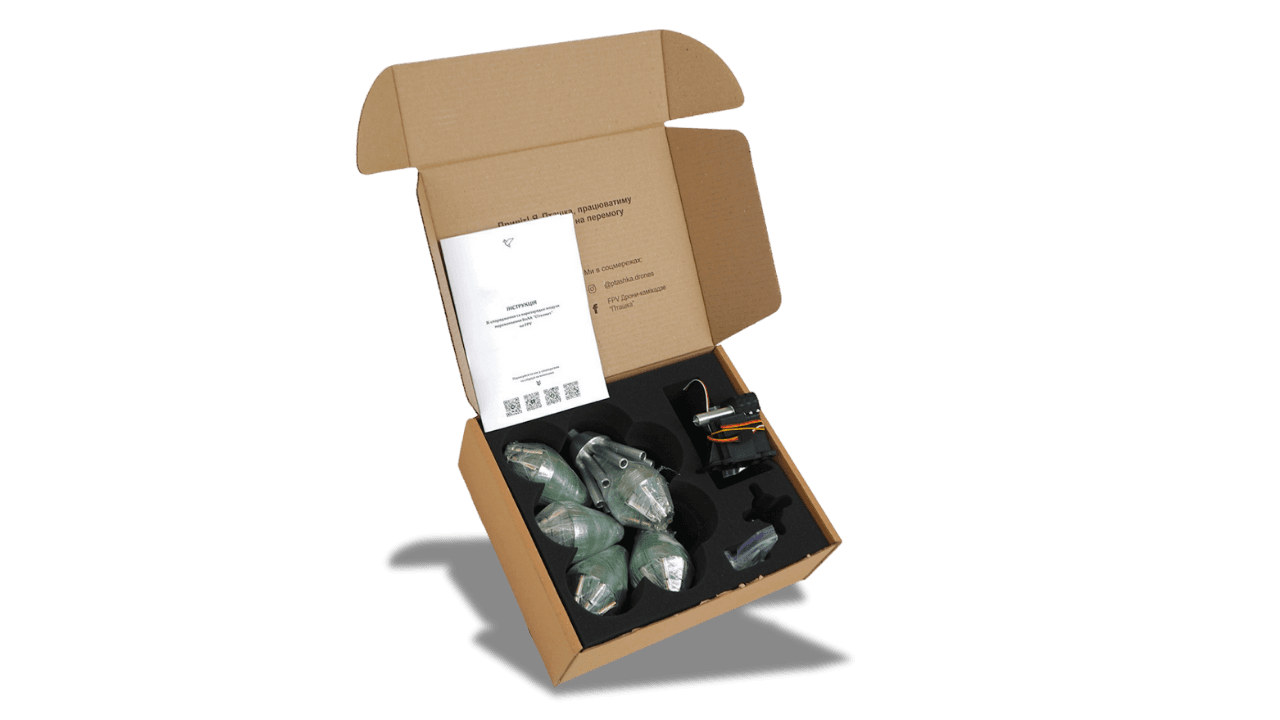
How an FPV drone net launcher works, what to verify before installation, and how it differs from Mavic and handheld systems.

RF detection, electronic warfare and physical FPV protection
The roles and limits of RF detection, electronic warfare and physical protection from FPV drones.
RF detector for mobile teams, facilities and vehicles
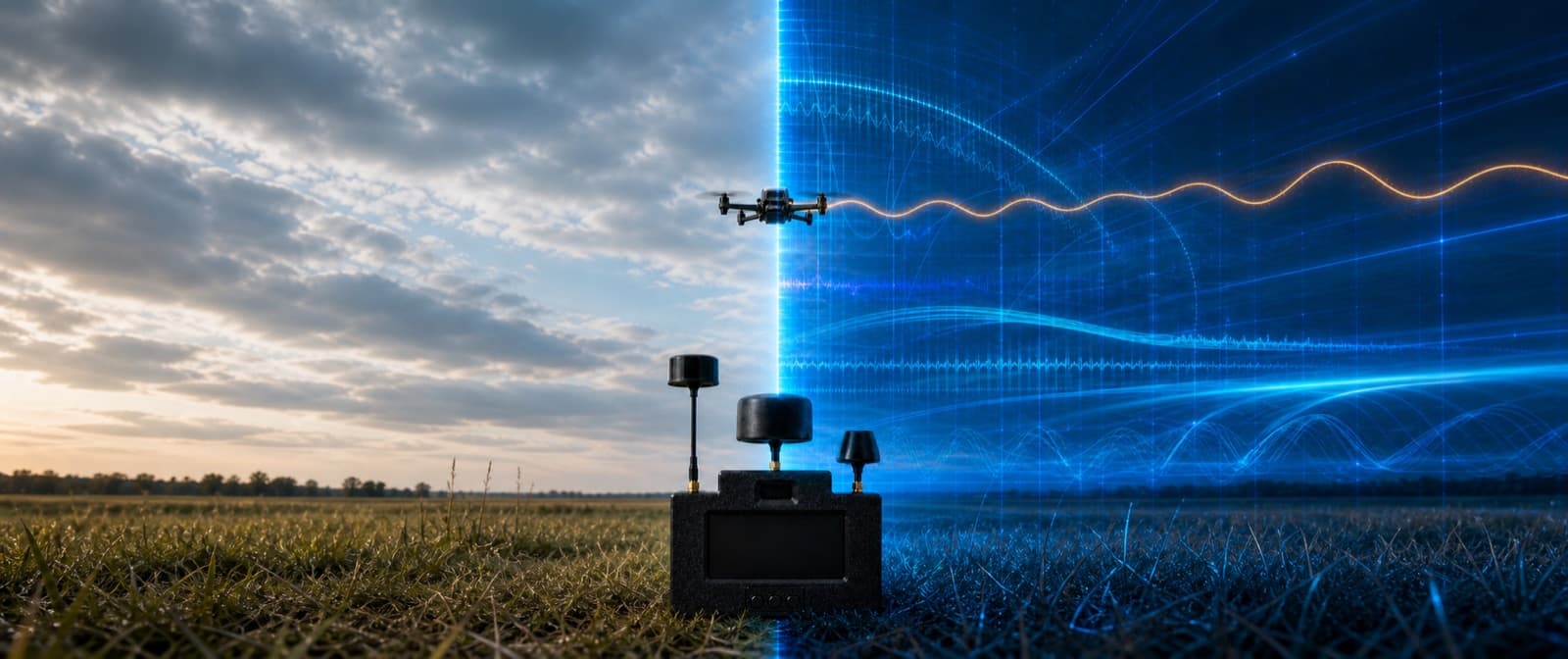
How to choose an RF detector for mobile teams, facilities and vehicles.
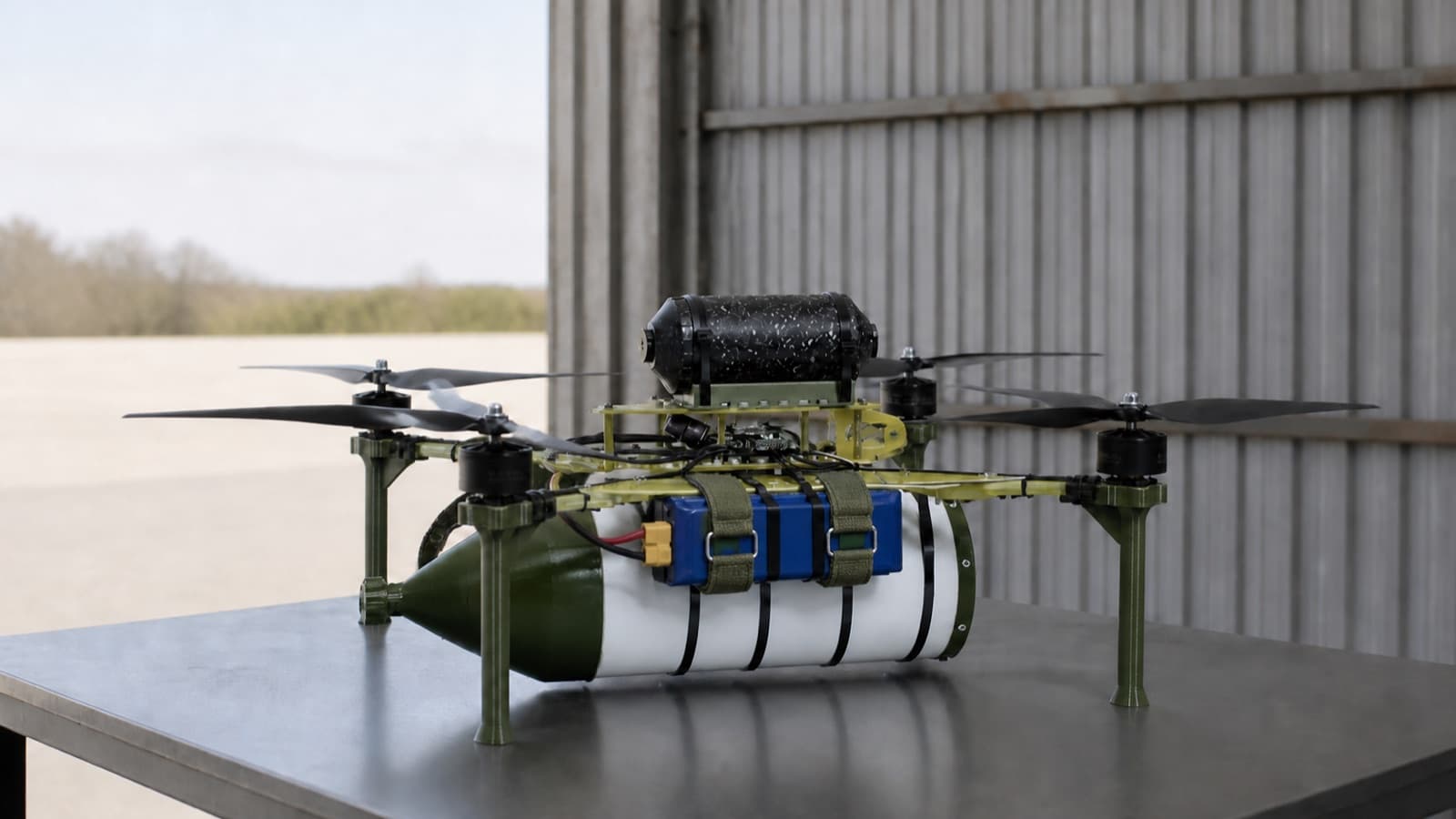
Popular FPV drone formats
How to choose a radio-controlled or fibre-optic FPV system for a real task.

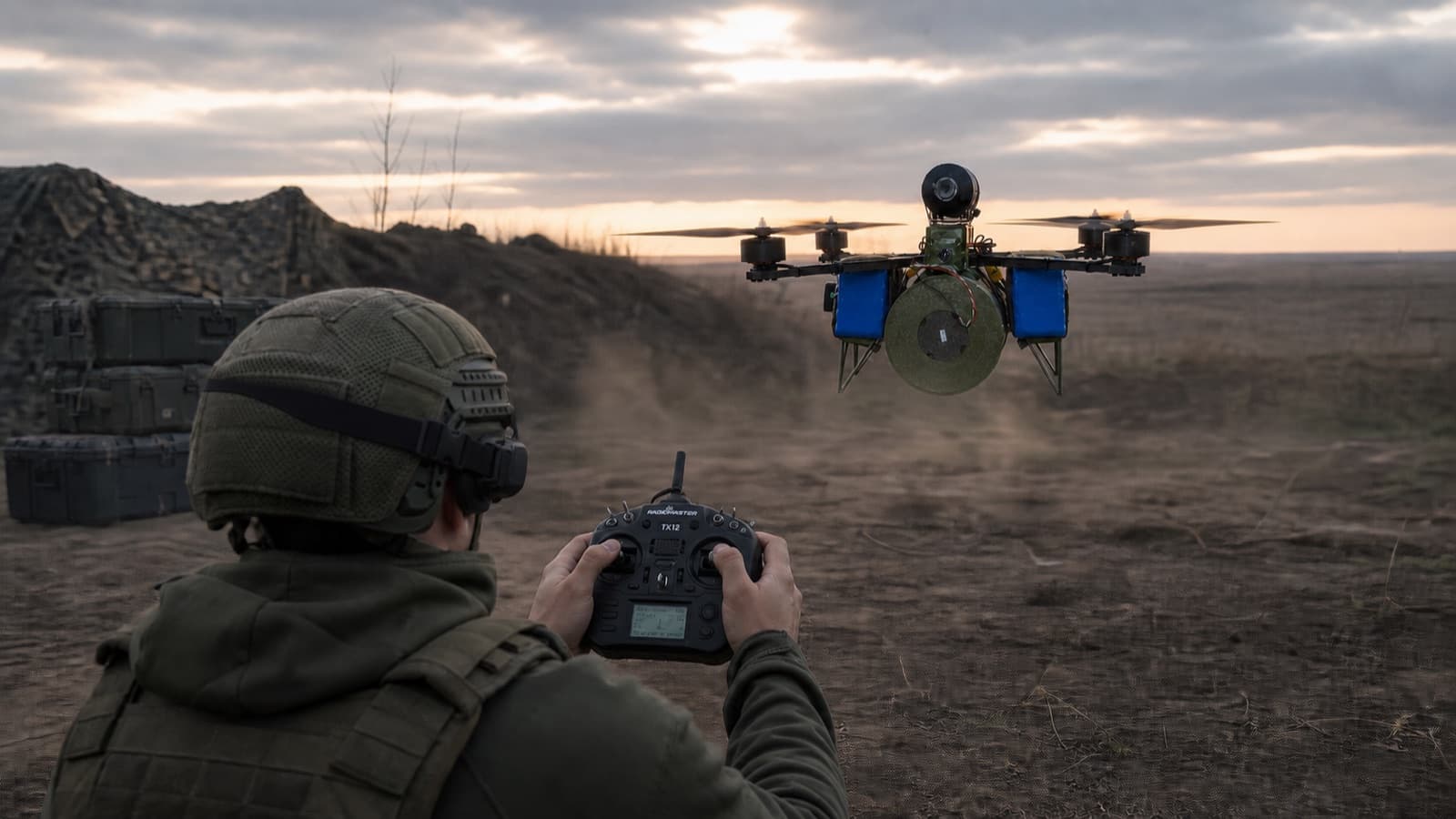
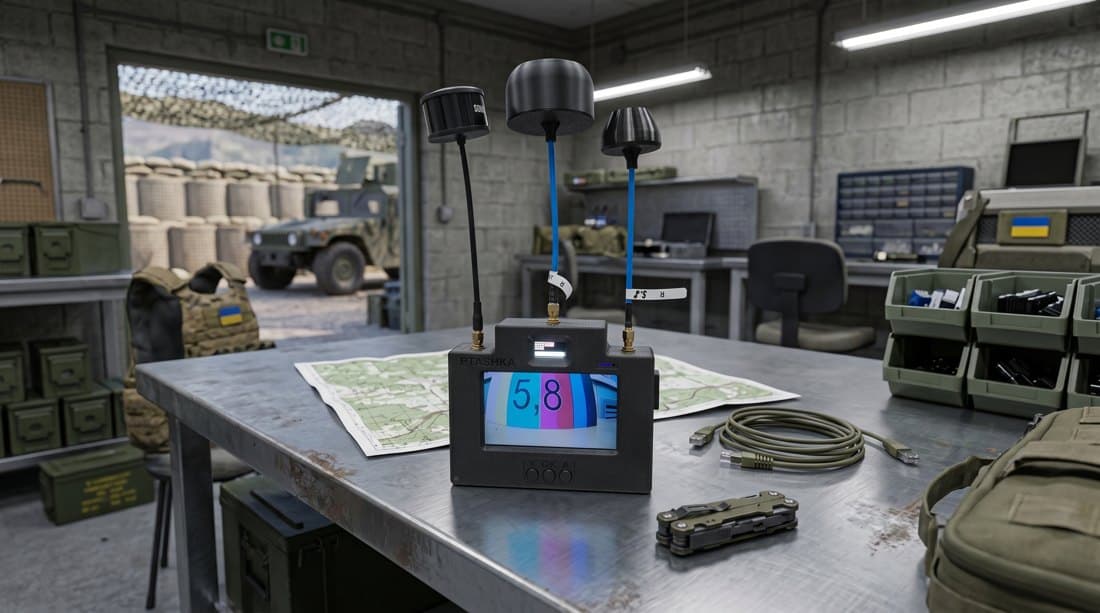
RF detector in a UAV detection system
How a portable RF detector complements a UAV detection system, its limits, and why operator training and procedures matter.
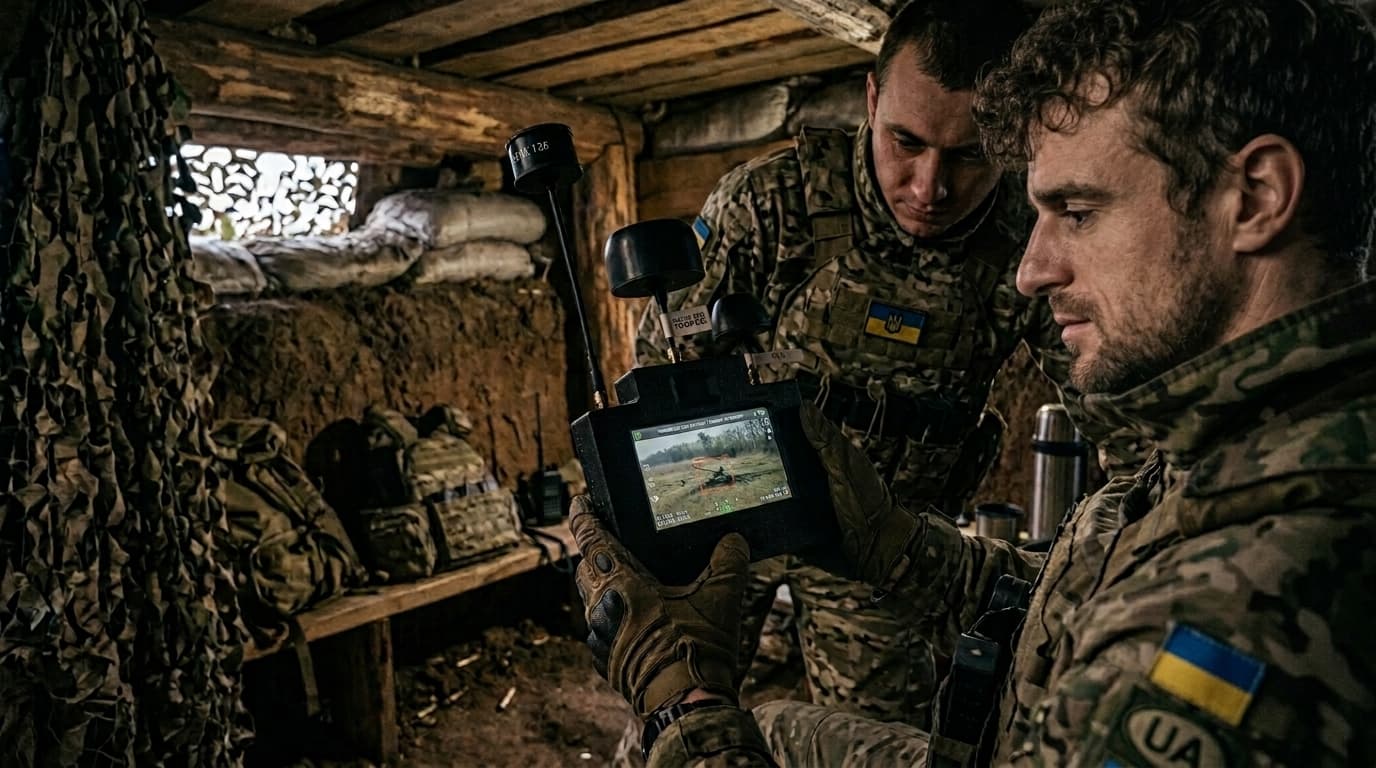
What an RF drone detector can and cannot do
How an RF drone detector works, what information it shows and why it is not a universal UAV detection tool.
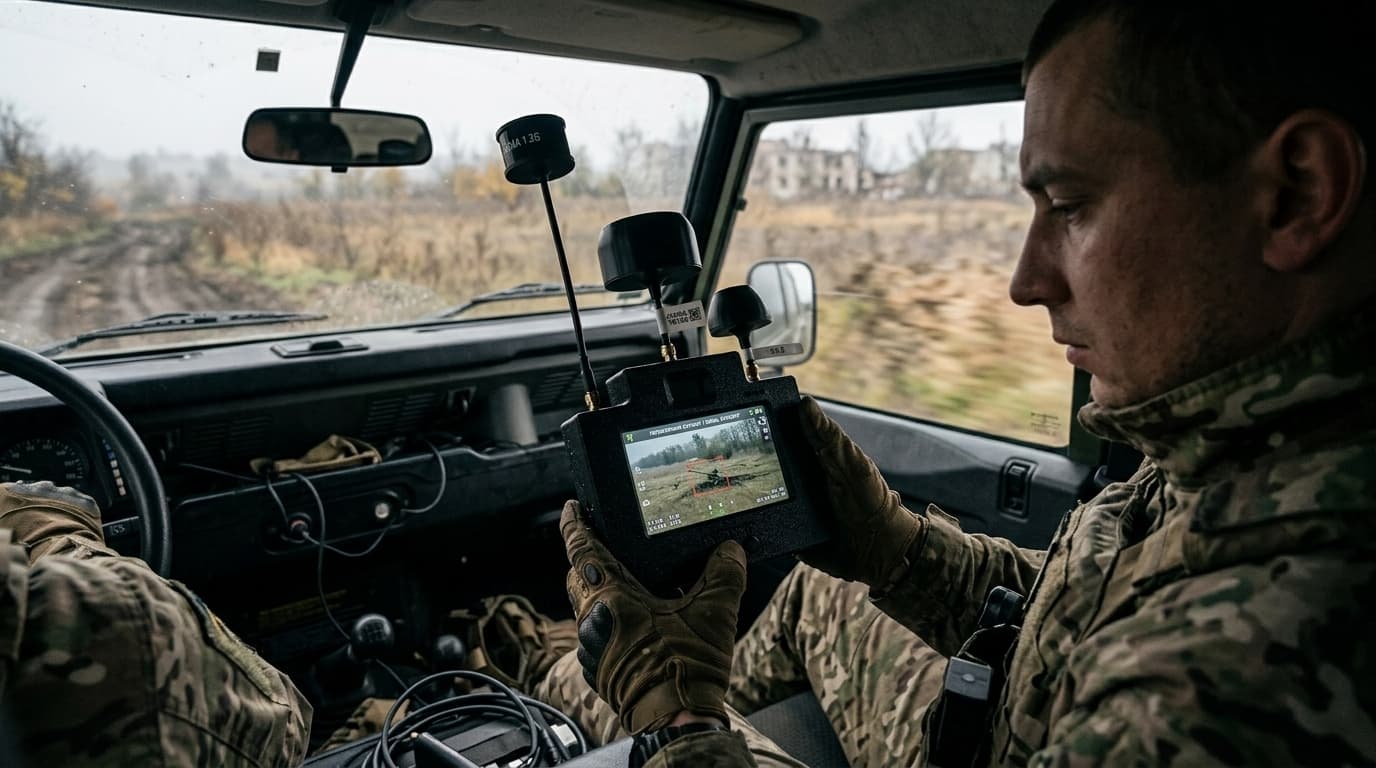
How to choose a portable drone detector
How to select a portable RF drone detector: frequency ranges, scan step, autonomy and the limits of signal analysis.
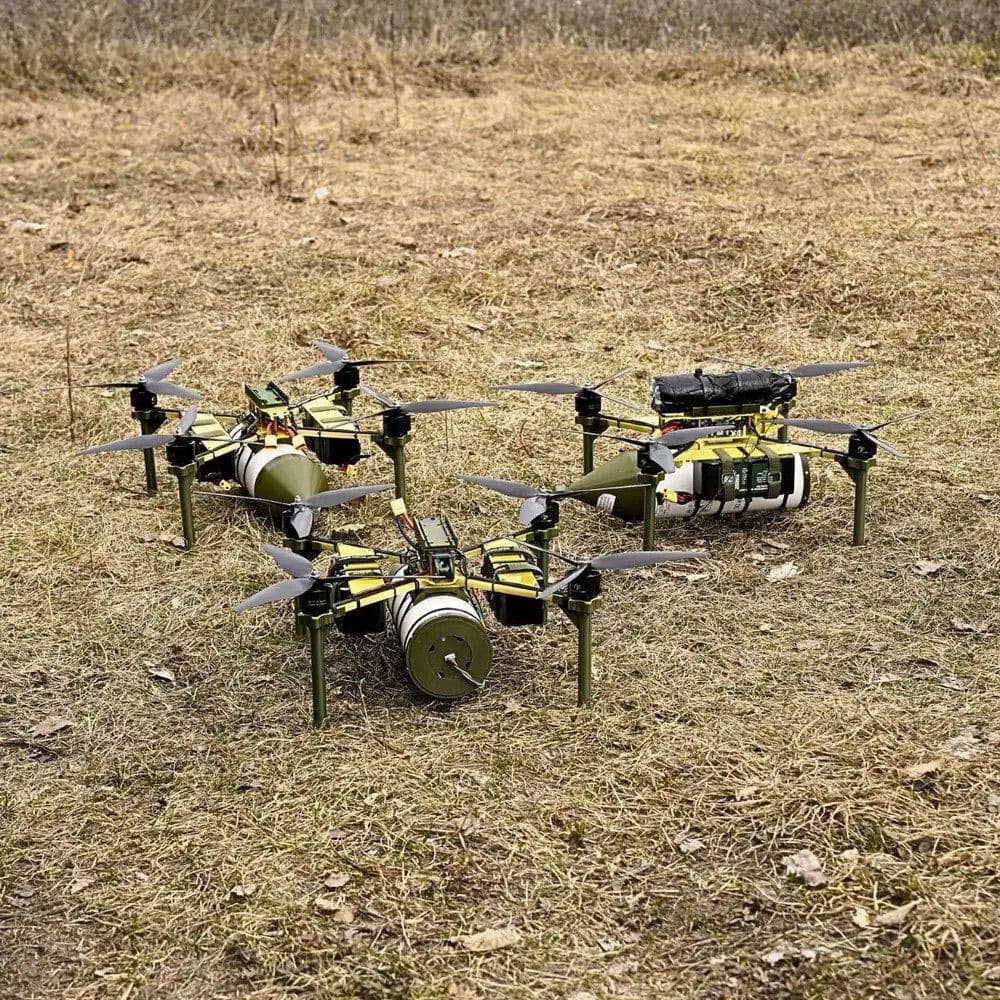
What is an optical drone
In this article we will explore what an optical drone is: how control and video are transmitted through a cable, why it is used, and what are its advantages. Ukrainian manufacturer of FPV drones and UAV countermeasure systems Ptashka Drones
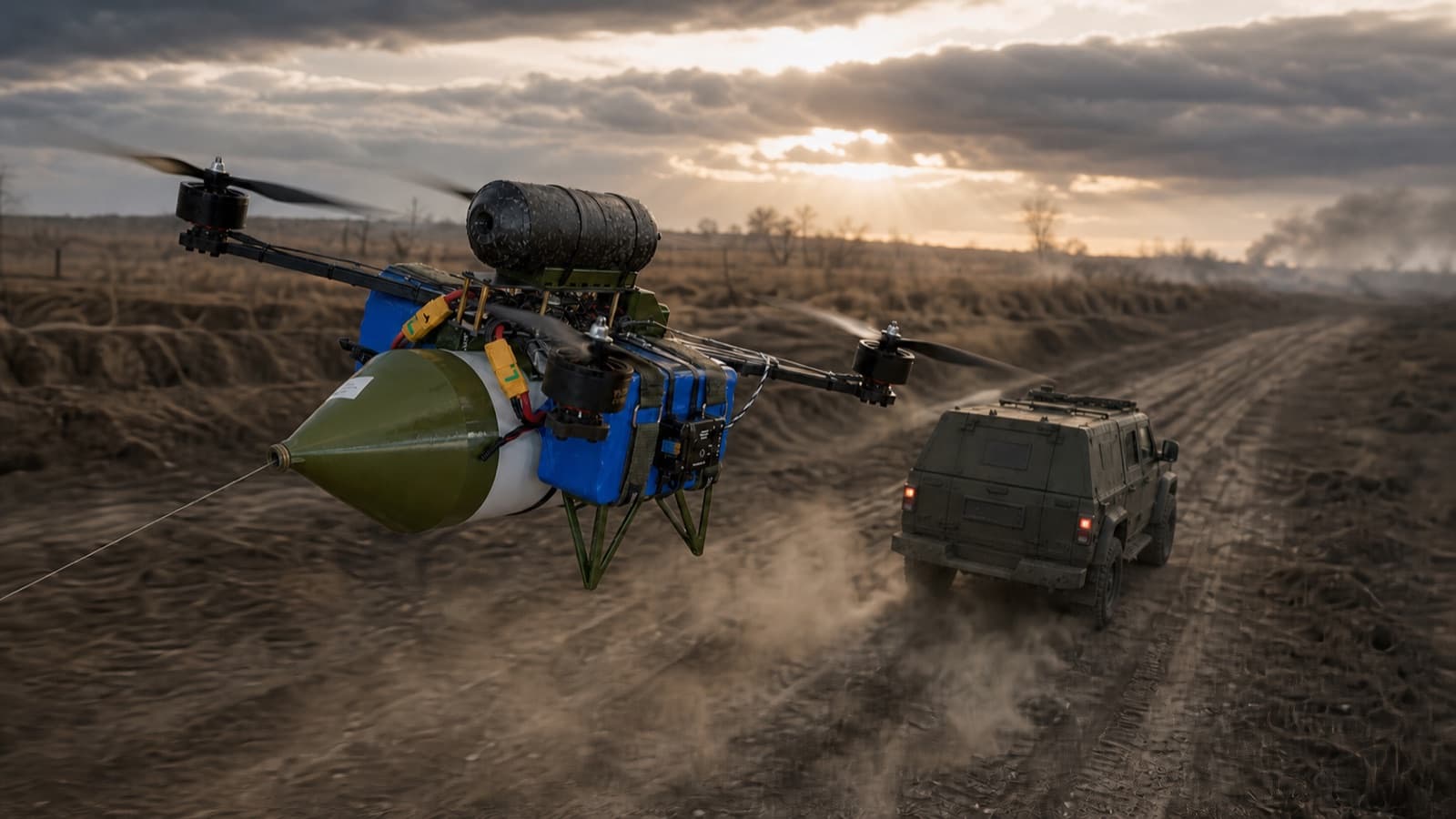
What is an FPV drone
In this article we will explore what an FPV drone is in simple terms: how the real-time video transmission works, what the kit consists of (drone, camera, goggles, transmitter), and where it is used. Ukrainian manufacturer of FPV drones and UAV countermeasure systems Ptashka Drones