Fibre-optic FPV drone in an ambush: how it works and what the drone needs
09.11.2026
By Ptashka Drones Editorial Team
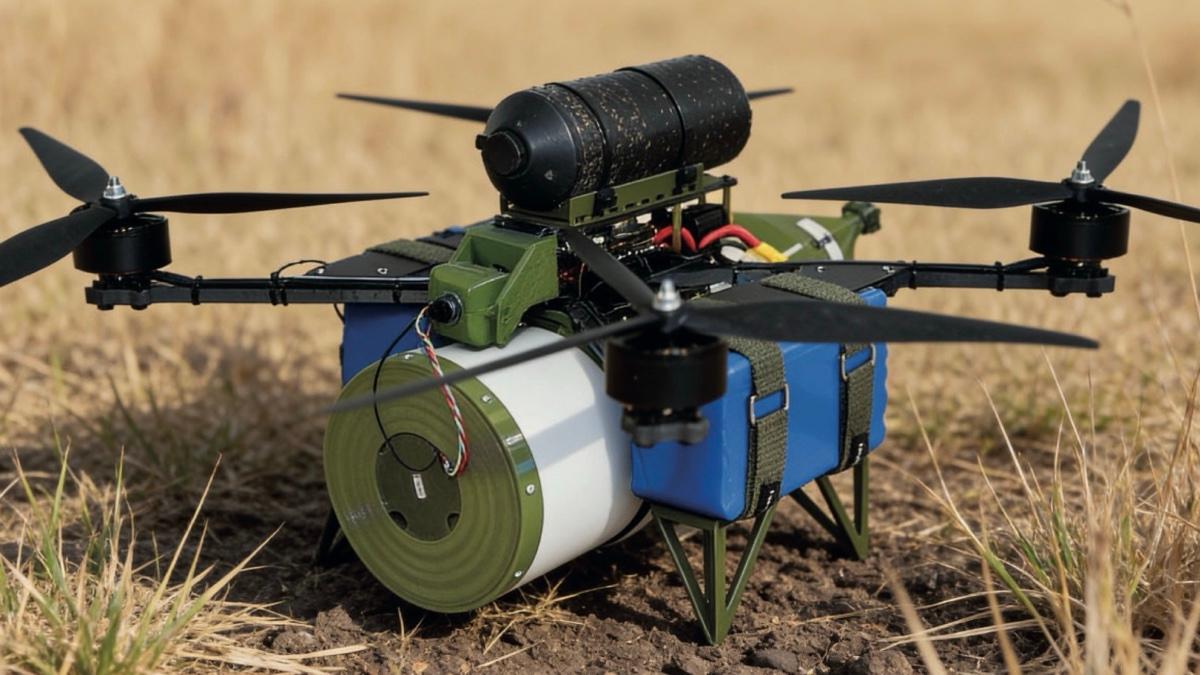
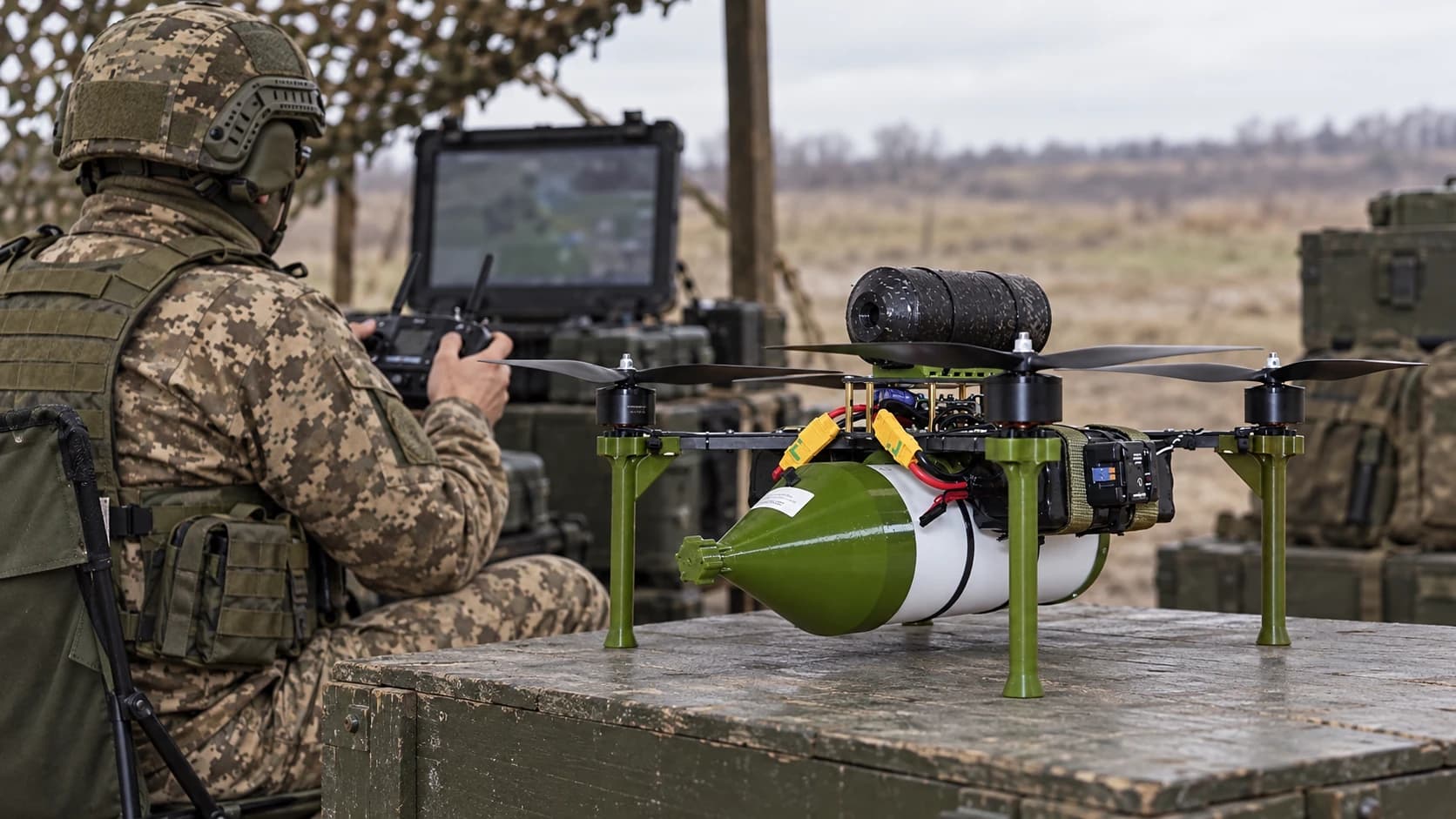
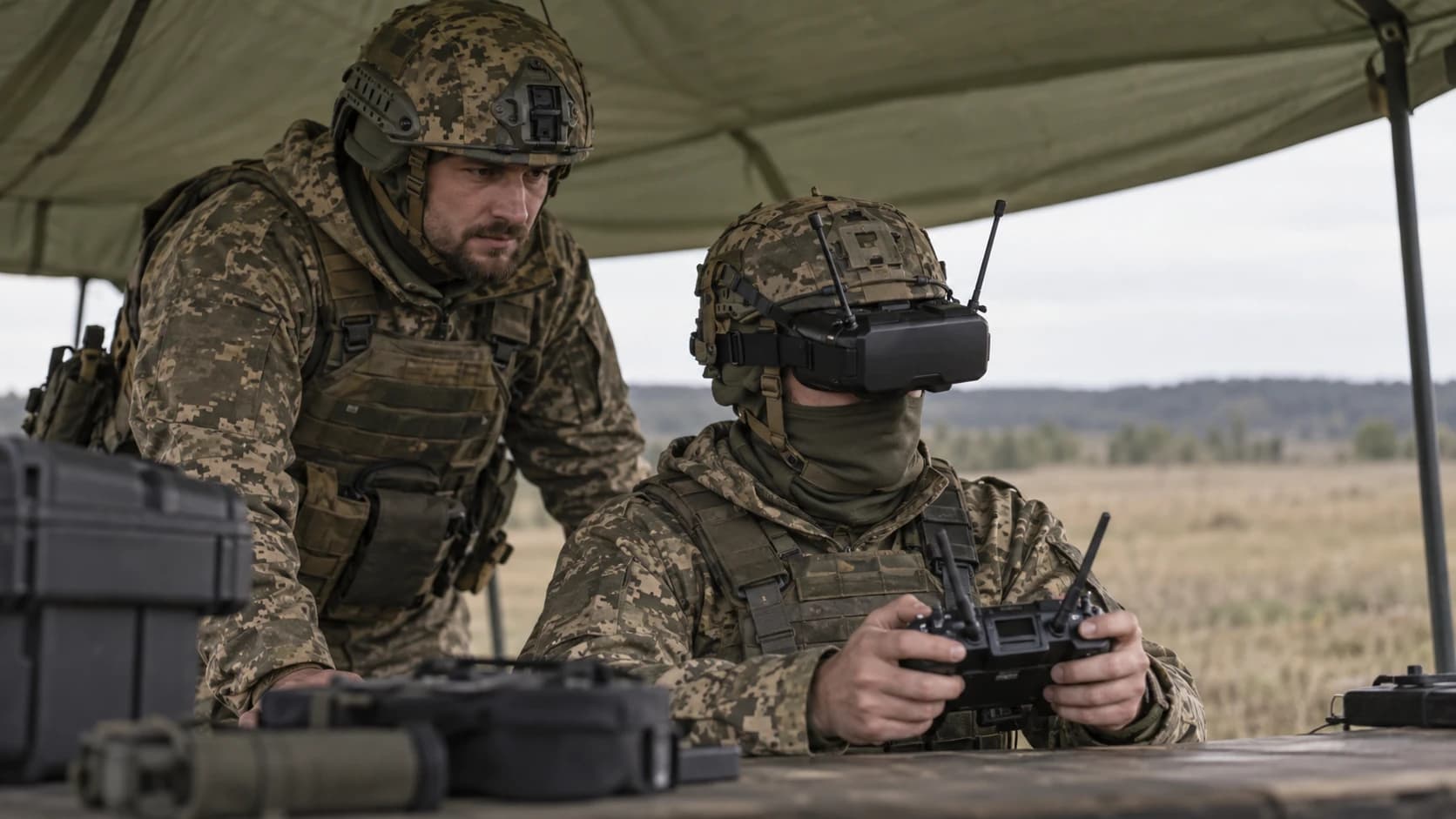
An FPV drone does not have to fly to the target straight away. It can land next to a road or another route and wait for a target to appear. This tactic is called an ambush, and such drones are nicknamed "waiters" (zhduny). Fibre-optic drones suit it best. We explain why, what a drone needs for an ambush and how to protect against enemy ambushes.
How an FPV drone ambush works
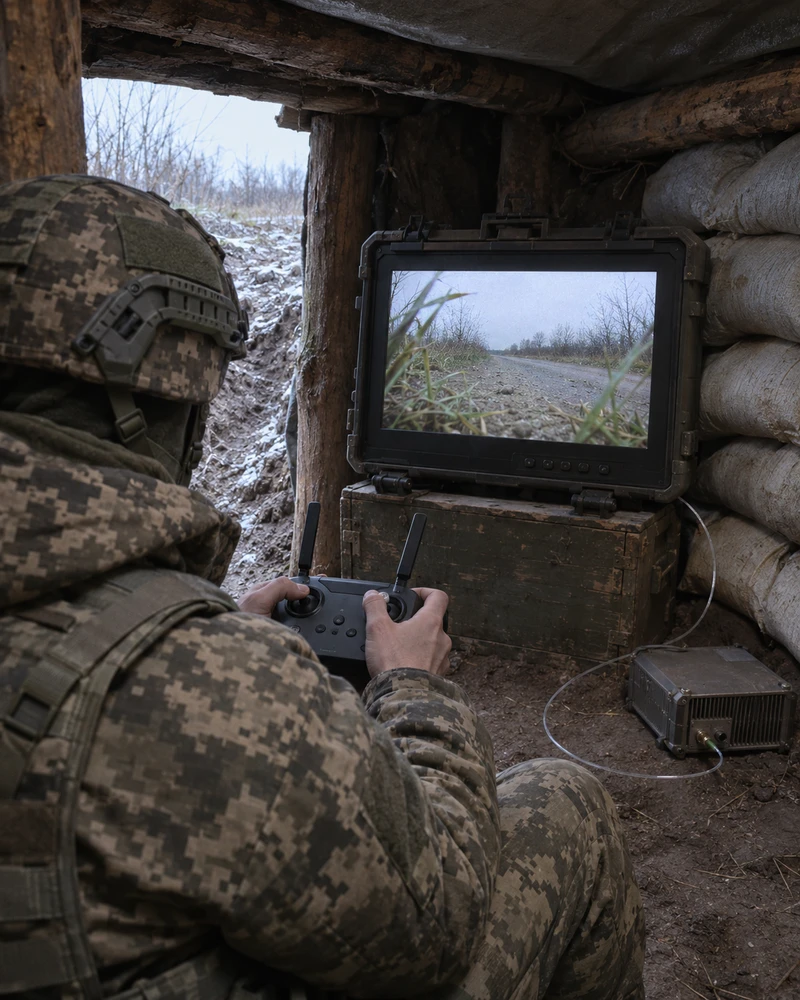
- Flight out. The operator flies the drone to a spot the target is likely to pass.
- Landing. The drone lands with its camera facing the route. It is hidden in grass, by trees or buildings.
- Waiting. The drone sits on the ground while the operator watches the picture. Unneeded systems are switched off to save power.
- Strike. When the target appears, the drone takes off and attacks within seconds.
Both sides actively use this tactic. In May 2025 the Ukrainian "Khyzhak" brigade showed its drones finding and destroying Russian fibre-optic FPV drones waiting on routes used by Ukrainian vehicles.
Why fibre optics is chosen for ambushes
| Radio drone | Fibre-optic drone | |
|---|---|---|
| Signal near the ground | Weakens: terrain, trees and buildings block line of sight | Stable, because it runs over a cable |
| EW | Can jam control and video | No effect on the cable |
| Signals intelligence | The video transmitter gives away the position | Does not emit on air |
| Limitations | Depends on signal strength and EW | Range set by the spool; the cable glints in the sun |
The key is the third row. A radio drone in an ambush transmits video all the time, and the enemy can detect it on air. A fibre-optic drone stays silent, so it has to be found visually or by other drones.
What a drone needs for an ambush
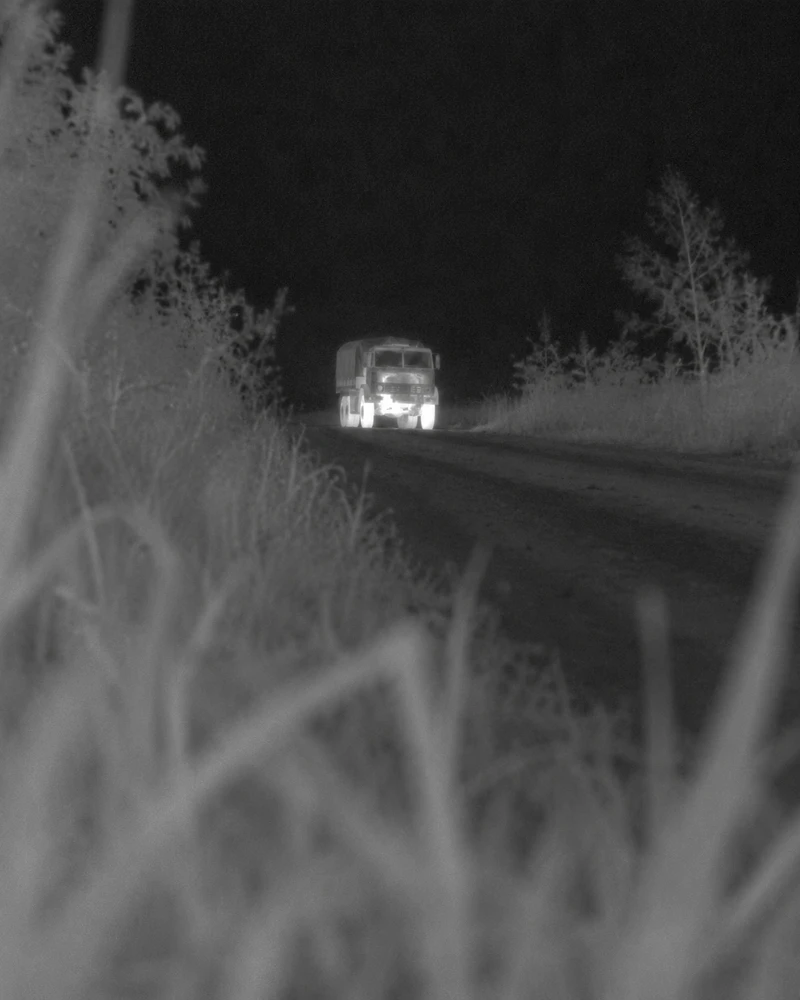
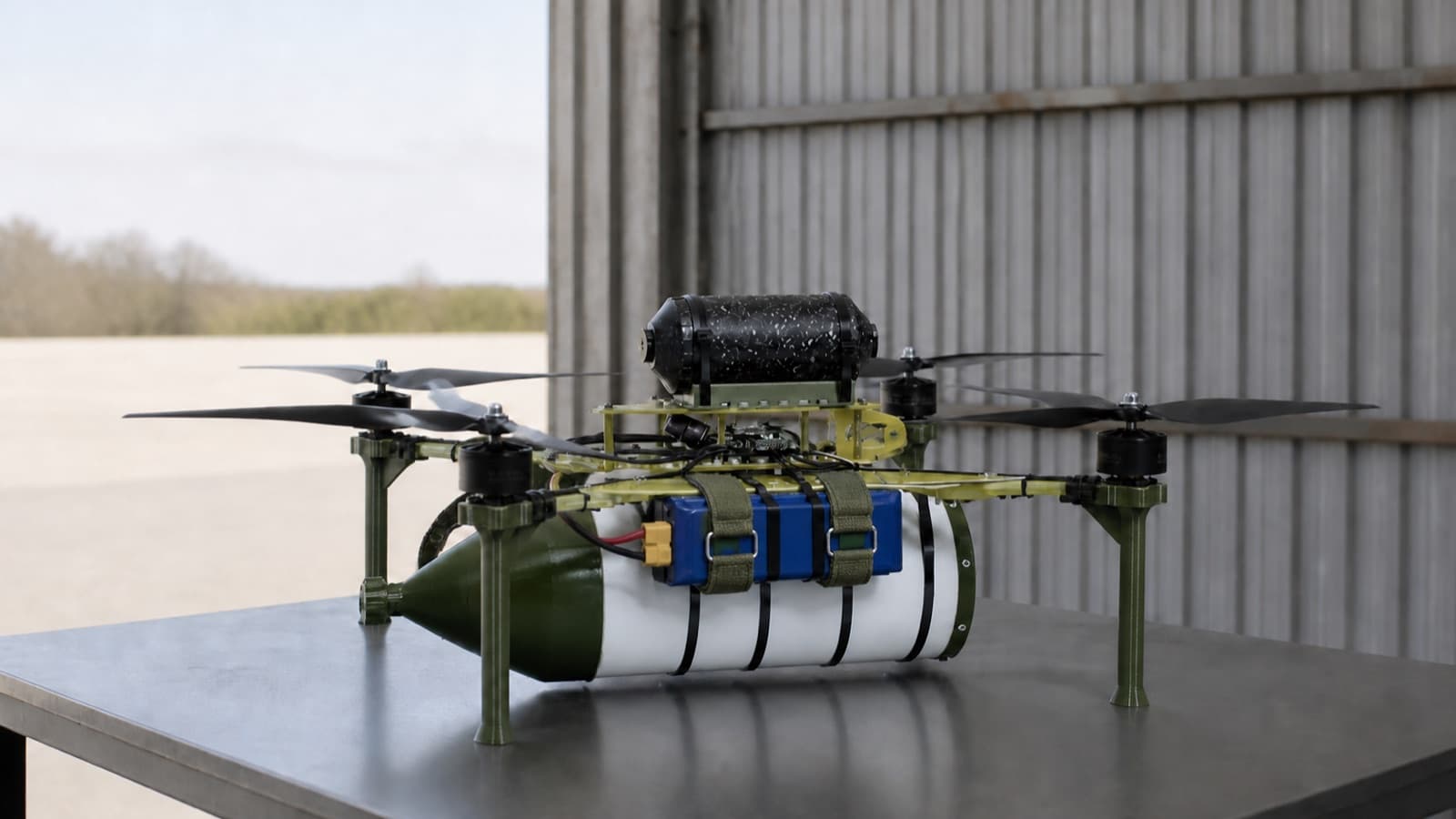
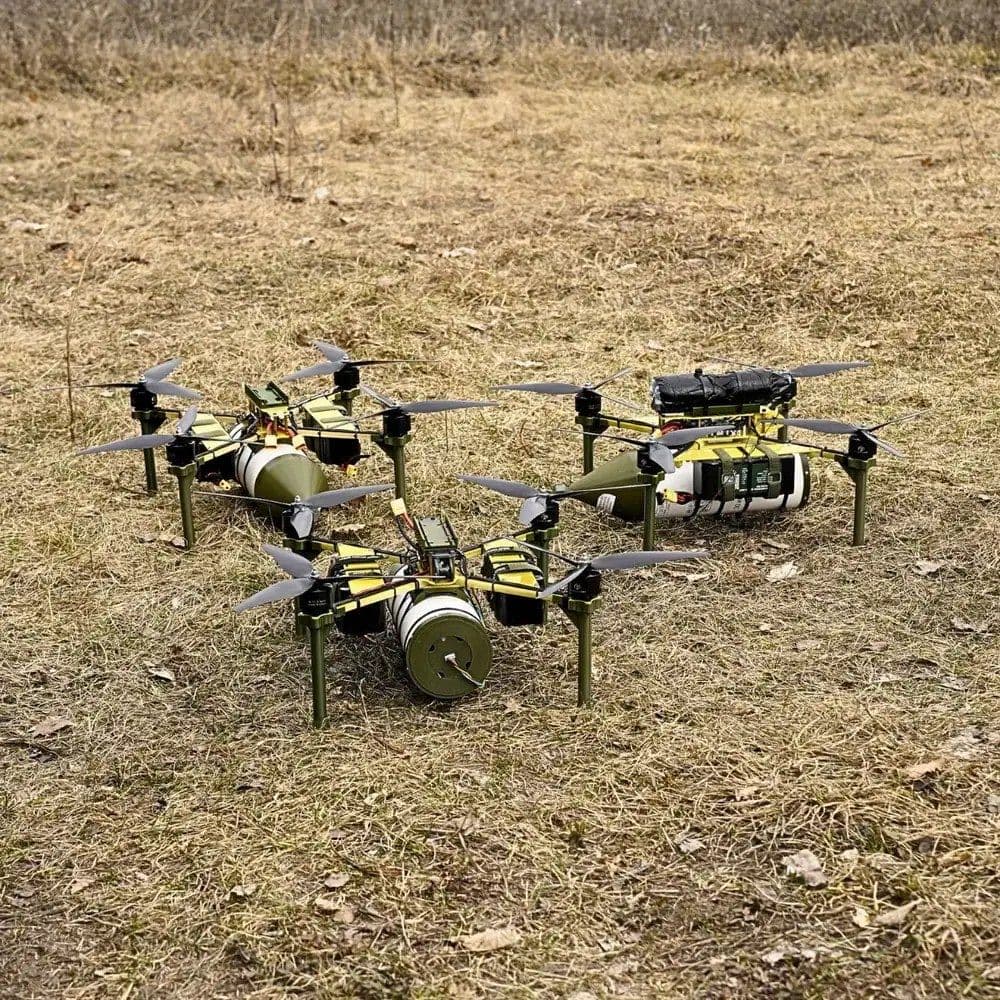
- Waiting mode. The drone must sit on the ground for a long time and take off as soon as the operator sees the target. Every Ptashka drone has a flight controller adapted for the "Zhdun" ambush mode: the drone waits for up to 5 hours.
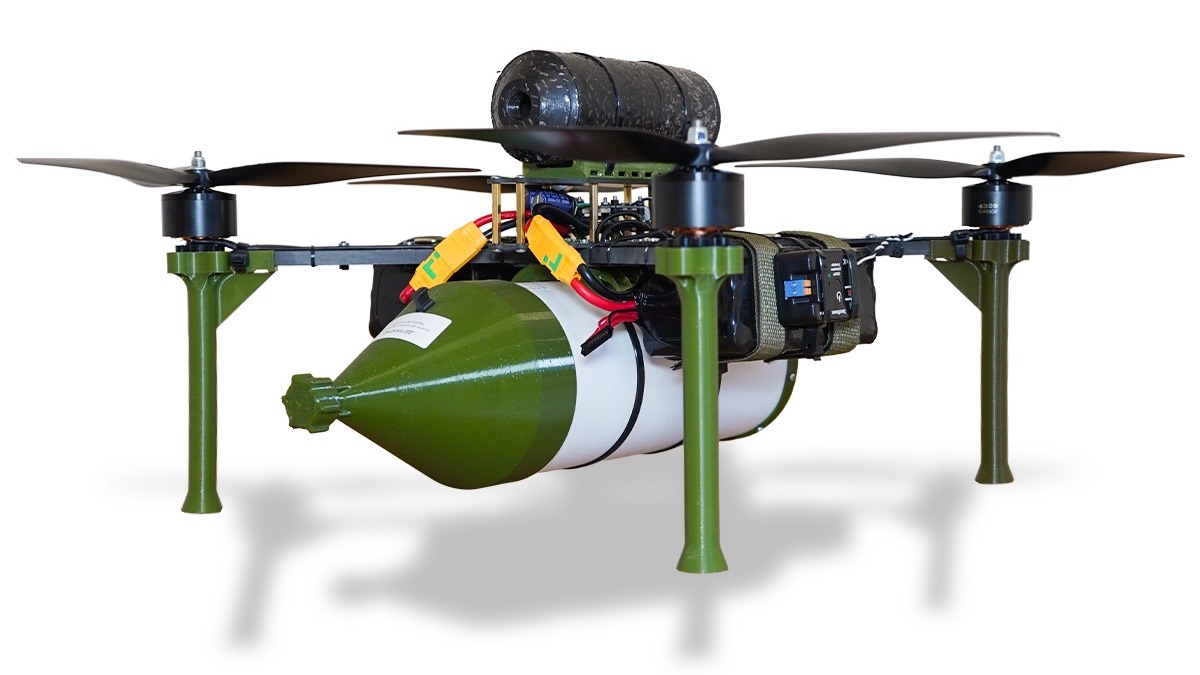
- Legs. The drone must stand level on uneven ground, and the propellers must not touch grass on take-off.
- A camera for the time of day. A day camera is enough in daylight; at night you need a thermal one. Ptashka drones can carry both with switching. See day or thermal camera for FPV.
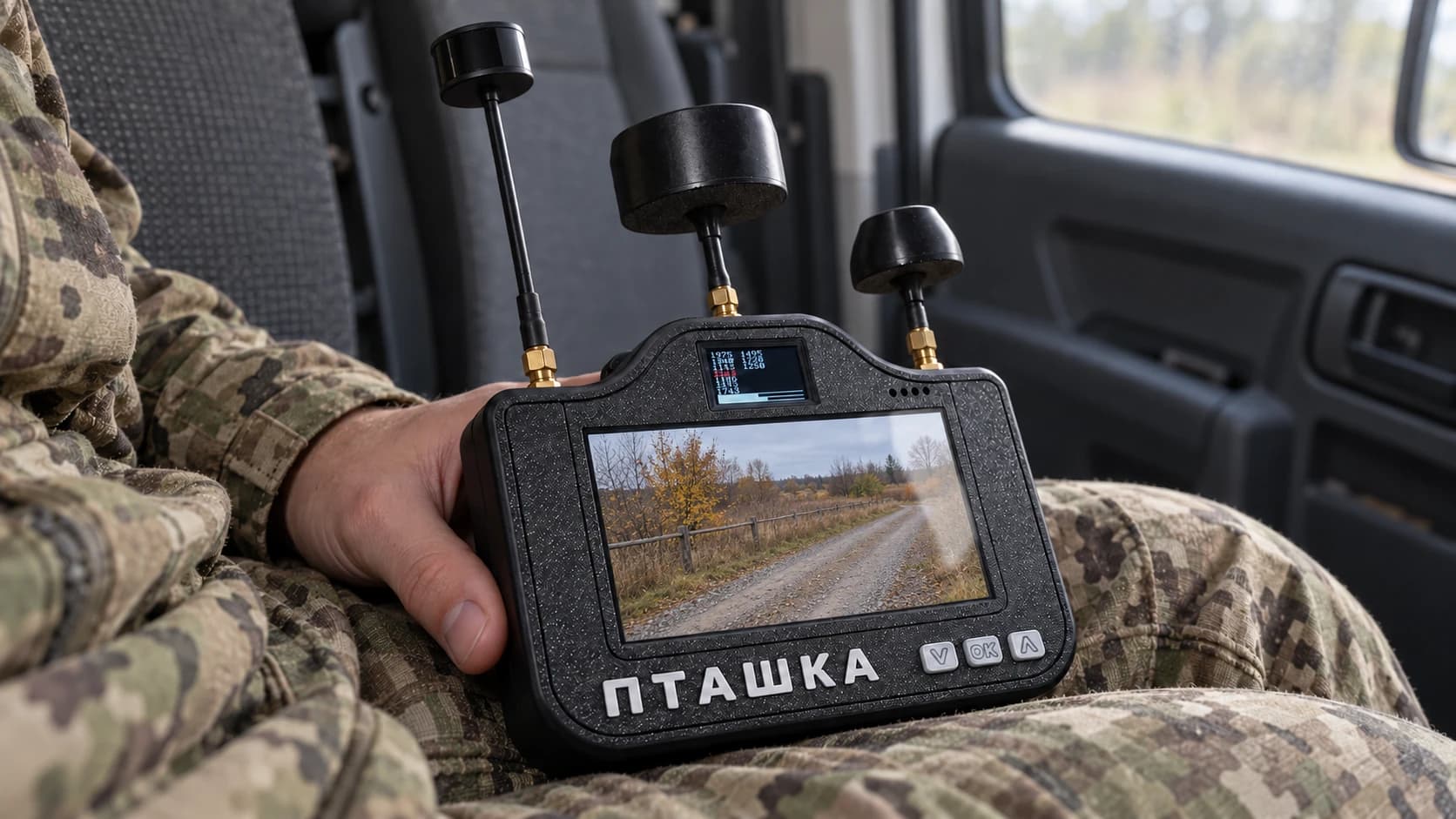
- Microphone. The digital version of Ptashka drones has a microphone. In an ambush it helps to hear vehicles before they are visible.
- Spare fibre and battery. Part of the fibre and charge goes on the flight to the ambush spot; the rest is for the strike.
Which Ptashka drones suit ambushes
Take-off and ambush legs come with three fibre-optic models: 13-O, 15-O and 17-O.
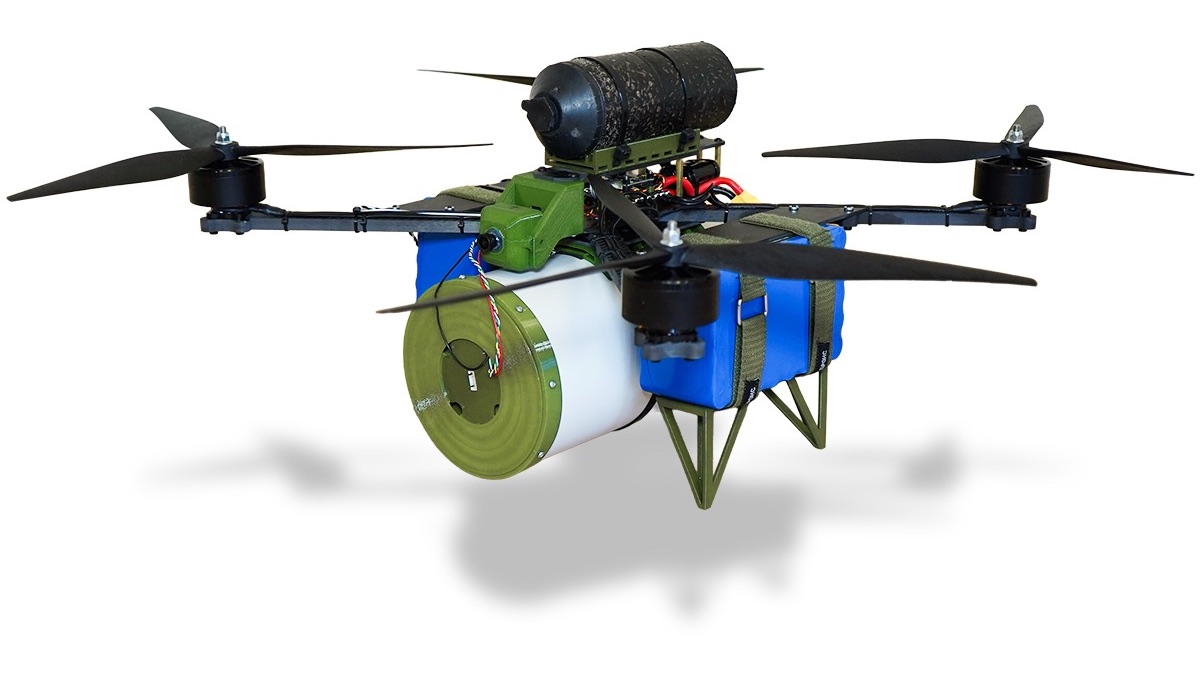
| Ptashka-13-O | Ptashka-15-O | Ptashka-17-O | |
|---|---|---|---|
| Range | 10, 15 or 20 km | 25, 30 or 35 km | 40 / 50 km |
| Payload | 3–3.5 kg | 1.5–3 kg | 2 / 1.5 kg |
| Propellers | 13″ | 15″ | 17″ |
| Frame | Carbon | ||
| Battery | 2 × 8s2p or 8s3p | 2 × 8s3p or 8s4p | 2 × 8s5p, 27,500 mAh |
| Camera | Caddx Ratel 2 day camera and/or 640×512 thermal. Digital version with microphone | ||
| Waiting time | Up to 5 hours, depending on temperature | ||
The Ptashka 13-O/15-O covers ambushes at up to 35 km and the Ptashka-17-O at up to 50 km. The lighter Ptashka-10-O also has ambush mode, but its kit has no legs.
Ambush limitations
- Spool. A drone in ambush has already used part of its fibre. If the target appears far from it, the fibre may run out.
- Battery. Ptashka drones wait for up to 5 hours, but in the cold the battery drains faster and the time shortens.
- Search. The enemy hunts for ambushes with reconnaissance drones. Fibre glinting in the sun or an uncamouflaged drone can give the position away.
How to protect against enemy ambushes

An enemy fibre-optic drone in ambush does not emit on air, so an RF detector will not notice it. A detector is useful against radio drones, but it will not protect against a "waiter" on a cable. Protection looks different here:
- scouting the route with your own drones before vehicles move;
- watching for fibre glinting on roads and verges;
- physical protection: nets on vehicles and tools such as net launchers if the drone is already airborne.
How detection and physical countermeasures complement each other is explained in RF detector, EW and physical protection against FPV.
Frequently asked questions
What is an FPV drone ambush?
An FPV drone lands near an enemy route and waits for a target. When the target appears, the drone takes off and attacks within seconds.
What is the "Zhdun" ambush mode?
A mode in which the drone sits on the ground in ambush and takes off as soon as the operator sees the target. Every Ptashka drone has a flight controller adapted for it.
Can an RF detector see a fibre-optic drone in ambush?
No. A fibre-optic drone does not transmit a radio signal, so an RF detector does not register it. Protection relies on route scouting and physical means.
Which Ptashka drones have ambush legs?
Ptashka-13-O, Ptashka-15-O and Ptashka-17-O. All three are fibre-optic, with take-off and ambush legs included.
How long can an FPV drone wait in ambush?
Ptashka drones with ambush mode wait for up to 5 hours. The exact time depends on temperature: in the cold the battery drains faster.
Looking for an ambush drone? Contact us and a Ptashka engineer will recommend the model, spool and camera for your task.


Related posts
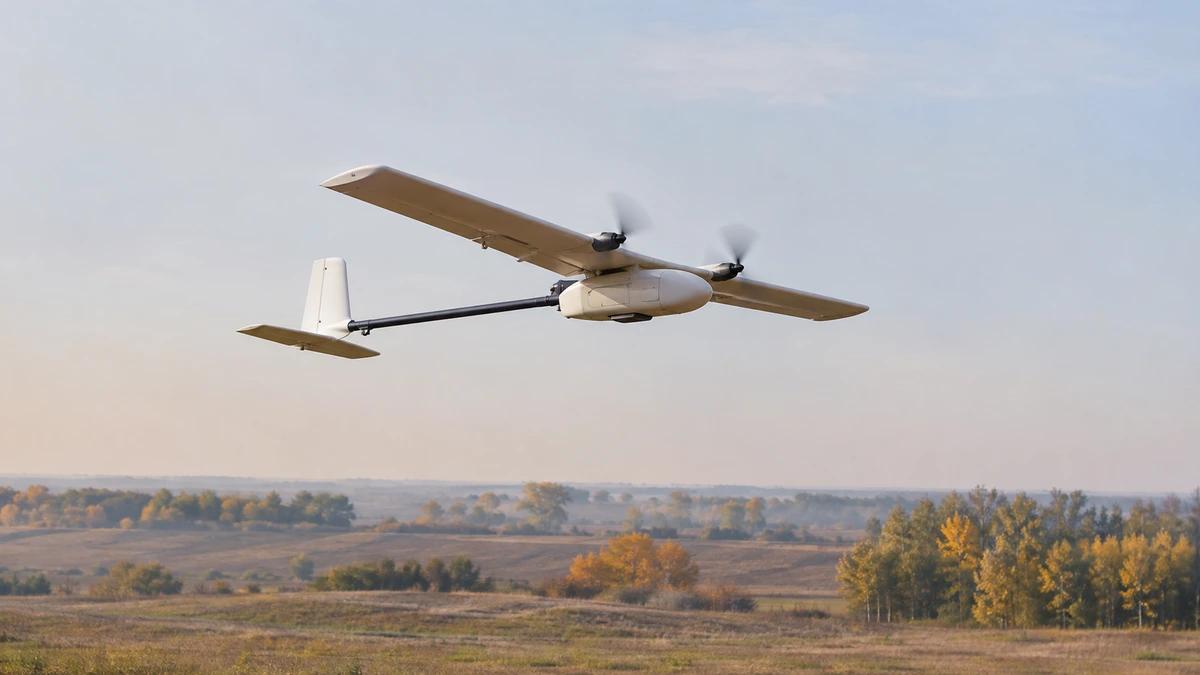
Fixed-wing UAV: what it is and how to choose
What a fixed-wing UAV and wing drone are, how they differ from multirotors, which tasks they suit and the specifications of the Ptashka PD-1.
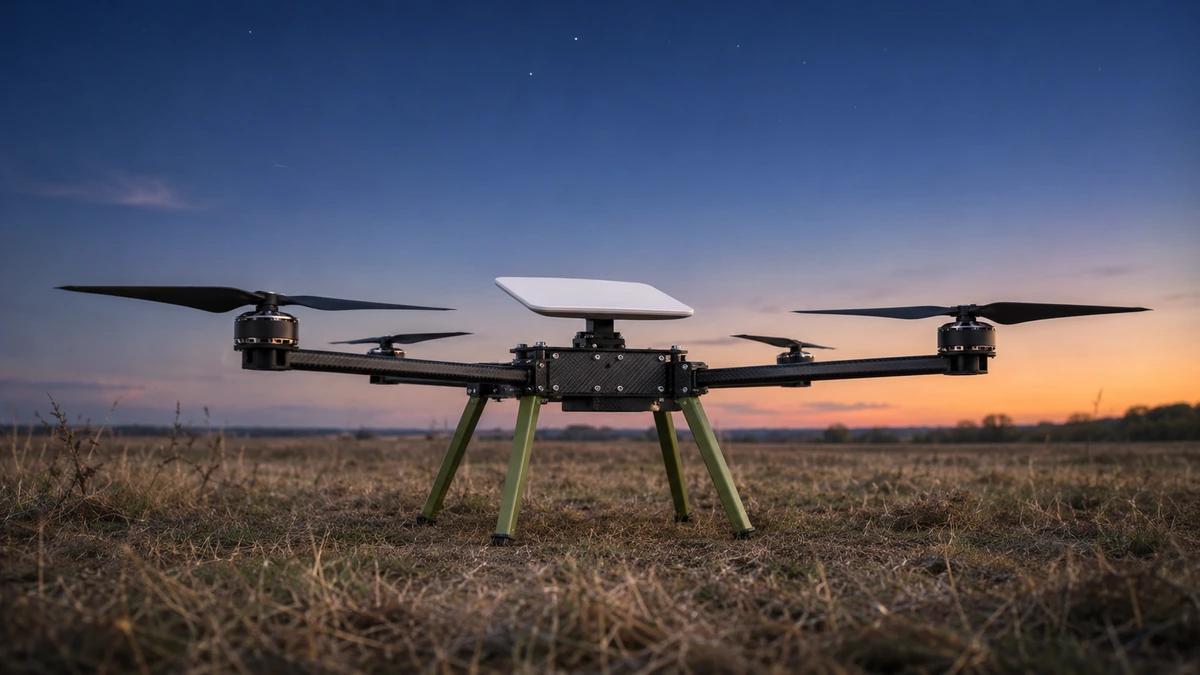
Starlink drone: how it works
How a Starlink drone works, how a satellite link differs from radio and fibre optics, its limitations and what the Ptashka-17 Starlink can do.
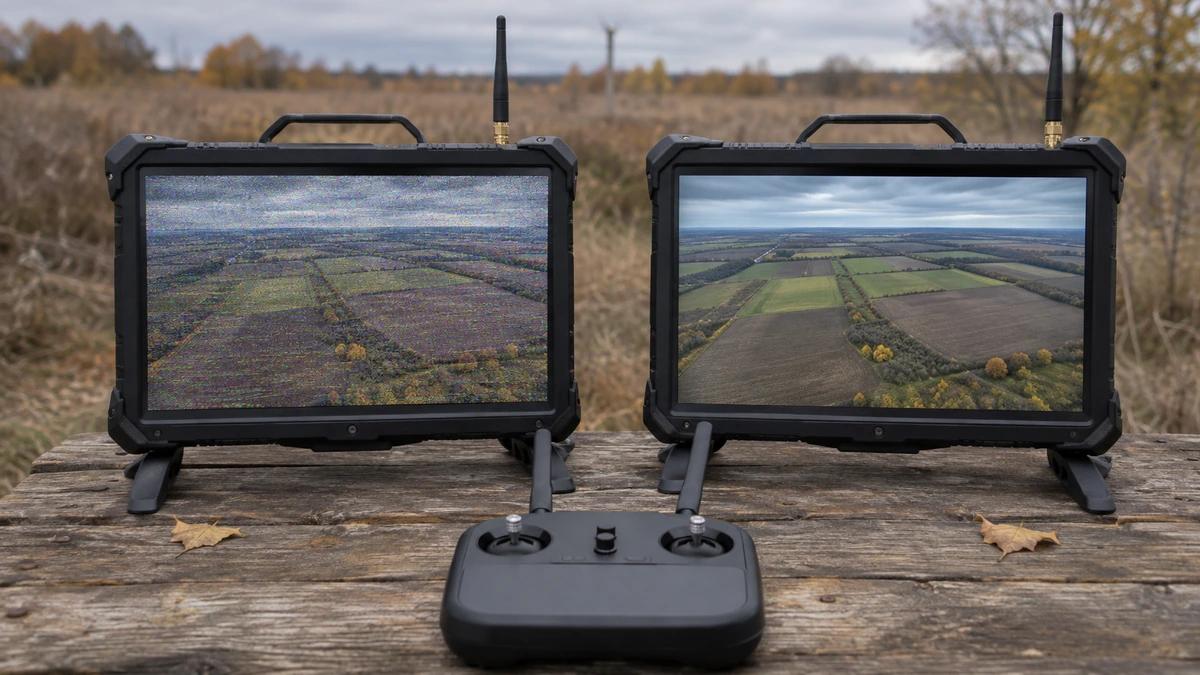
Analog or digital video for FPV
How analog and digital FPV video differ: image quality, behaviour on a weak signal and microphone. What the Ptashka-10 and Ptashka-15 use and how to choose.
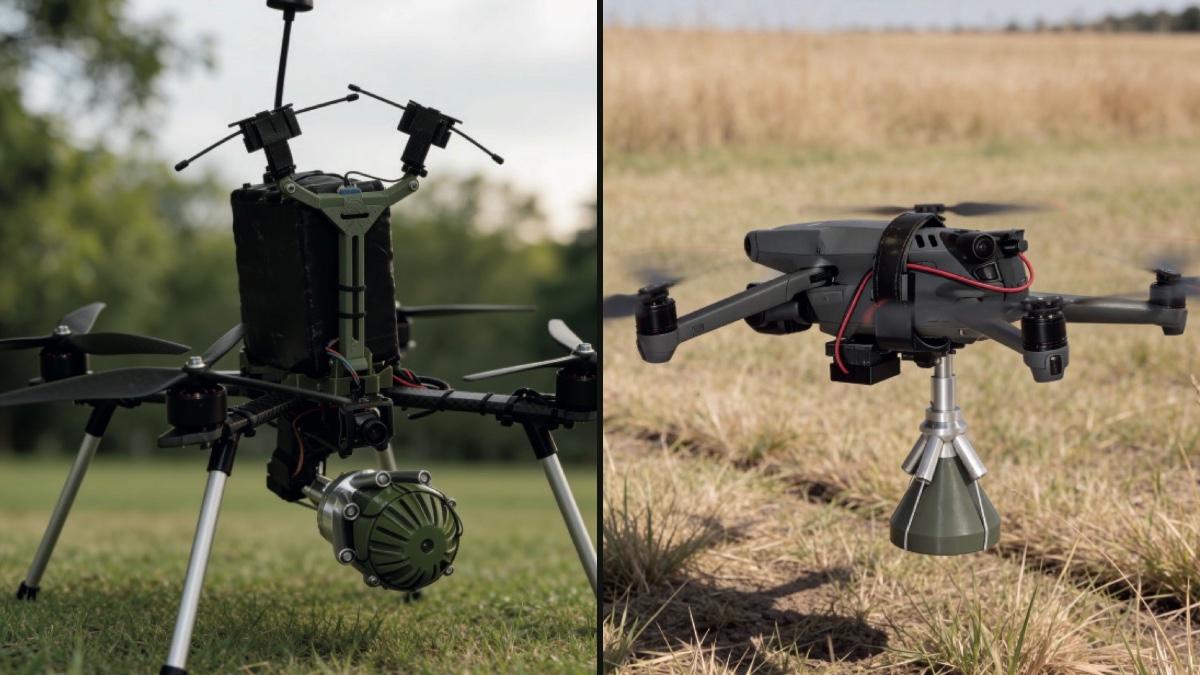
Drone-mounted net launcher: FPV or Mavic
Ptashka drone-mounted net launchers for FPV, Mavic, Autel and Matrice compared: net size, firing distance, weight, activation and compatibility.
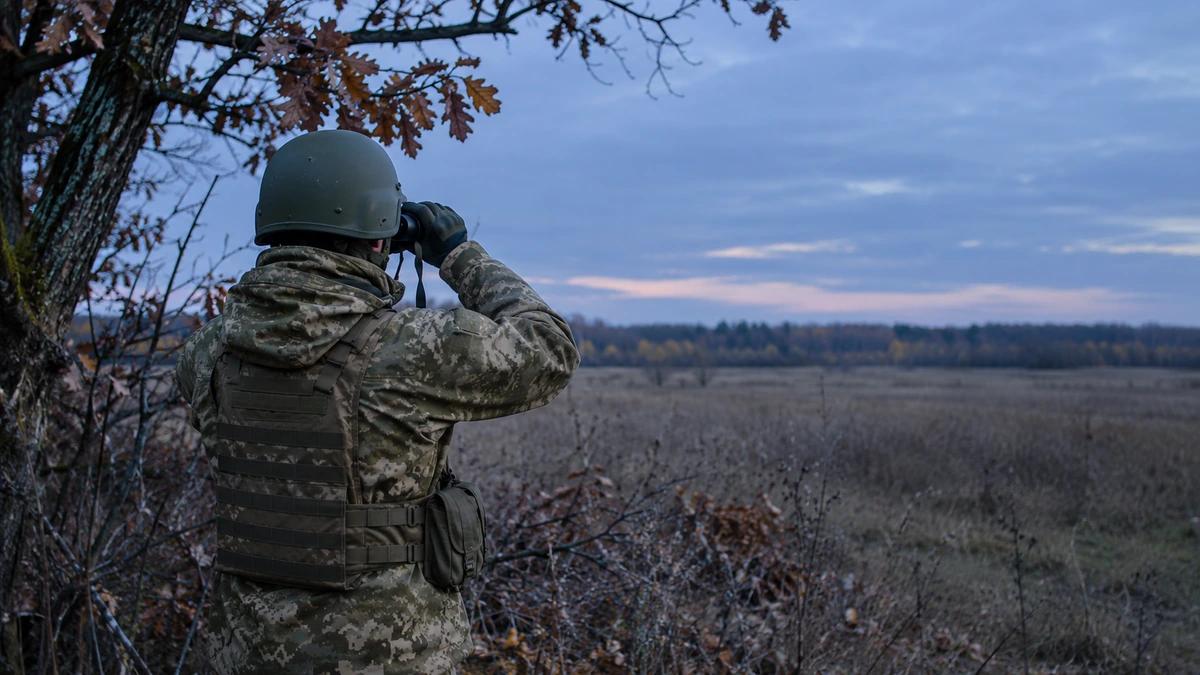
Is there a detector for fibre-optic drones
Why an RF detector cannot see a fibre-optic FPV drone and what actually helps spot one: acoustic sensors, observation, reconnaissance drones and physical protection.
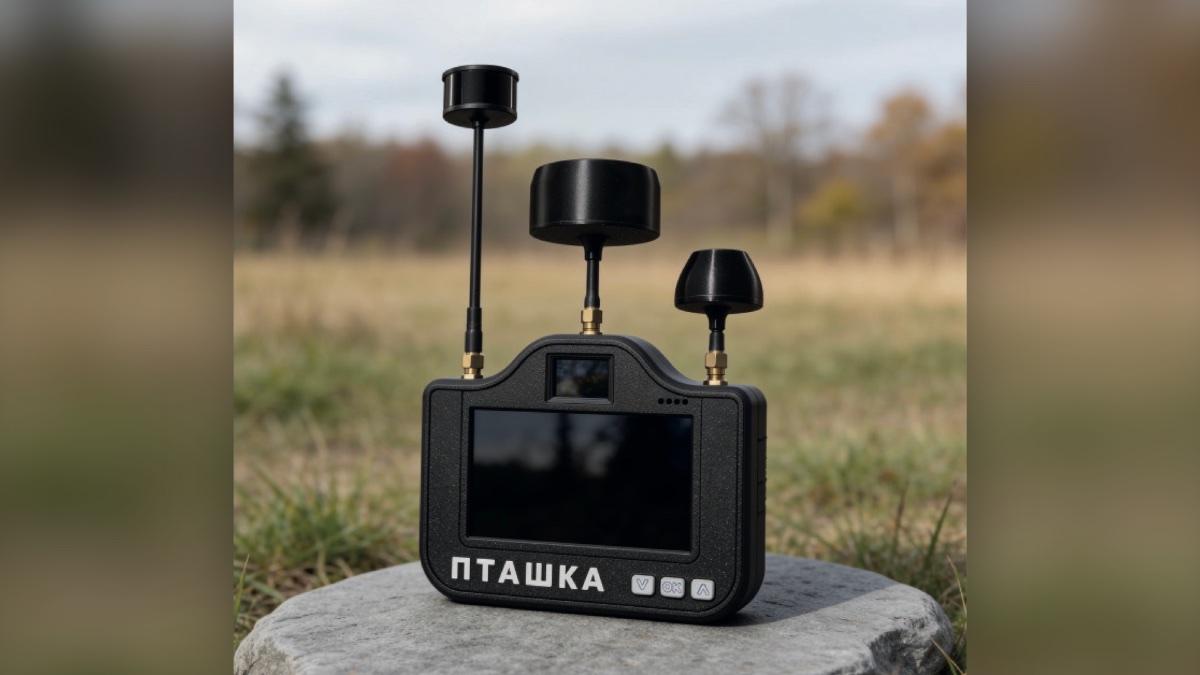
Which frequencies FPV drones use and what a detector sees
Which frequencies FPV drones use for control and video, which bands the Ptashka drone detector scans, and why it does not see DJI, digital video or fibre optics.
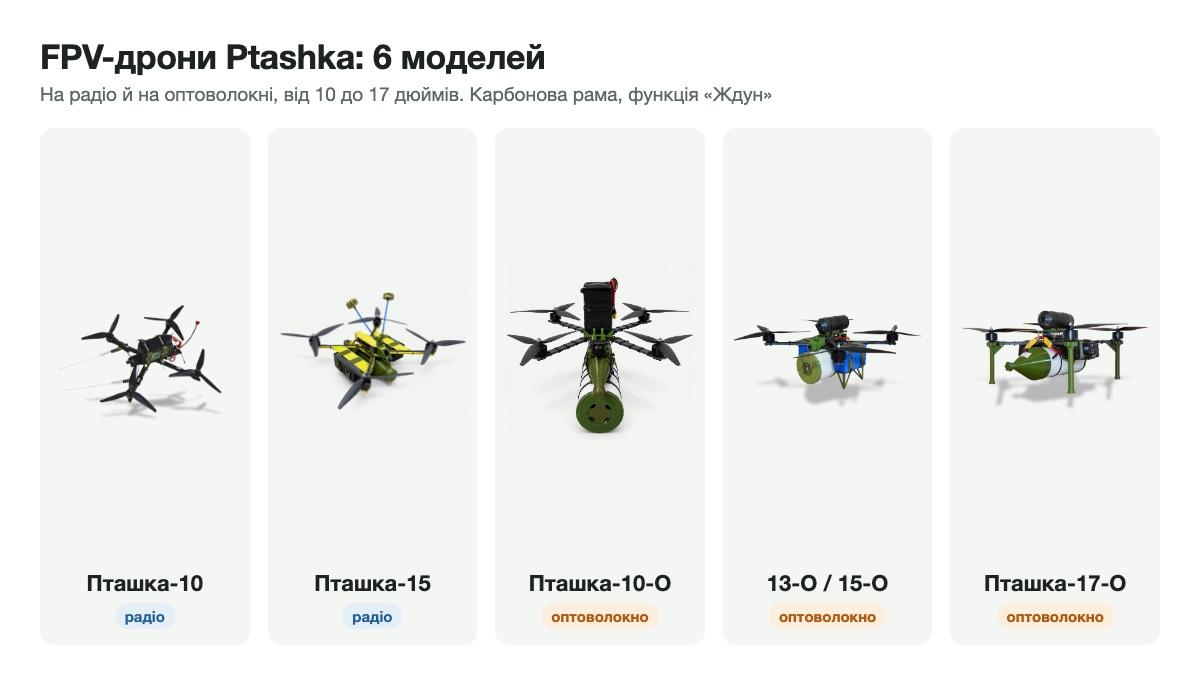
Which Ptashka FPV drone to choose: radio and fibre-optic models compared
Ptashka FPV drones compared: radio, fibre-optic and Starlink models 10, 15, 10-O, 13-O, 15-O, 17-O. Propellers, motors, cameras, range, payload and ambush mode.
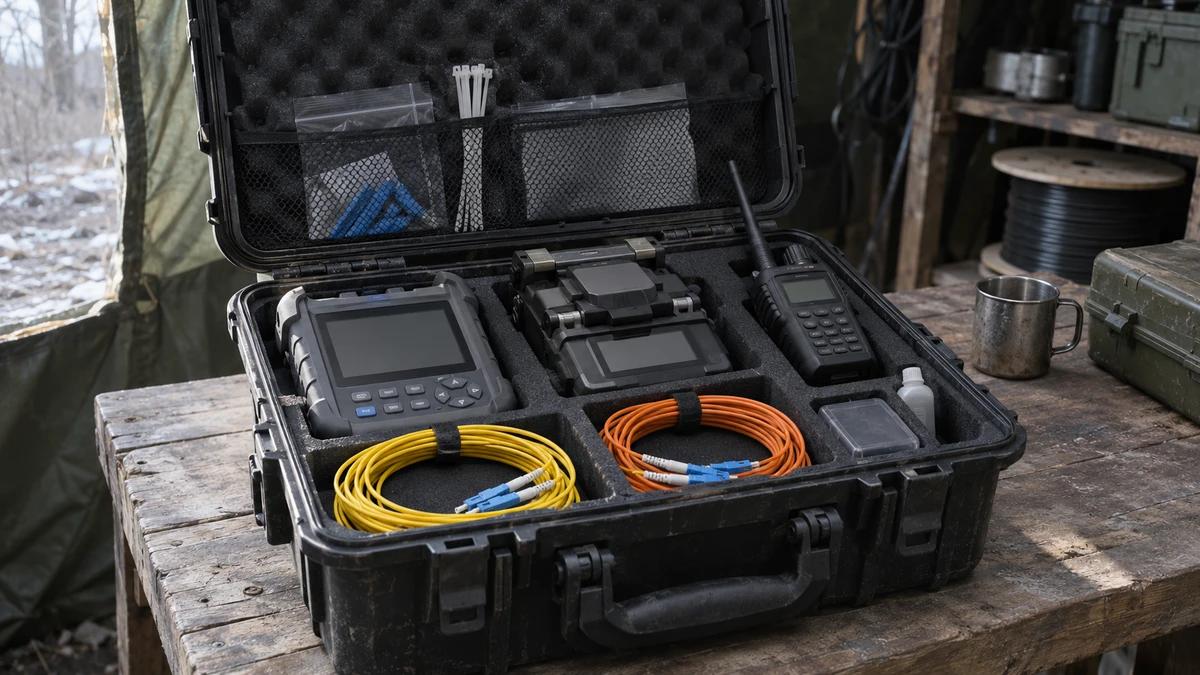
Analog or digital ground station for fibre-optic FPV drones
Analog and digital ground stations for fibre-optic FPV drones compared: kit contents, controller, microphone, video recording and accessories. How to choose.

How to choose a fibre-optic spool for an FPV drone: 10 to 50 km
How to choose fibre length for a fibre-optic FPV drone: 10, 15, 20, 25, 30, 35, 40 or 50 km, how to measure the route and which spool fits which drone.
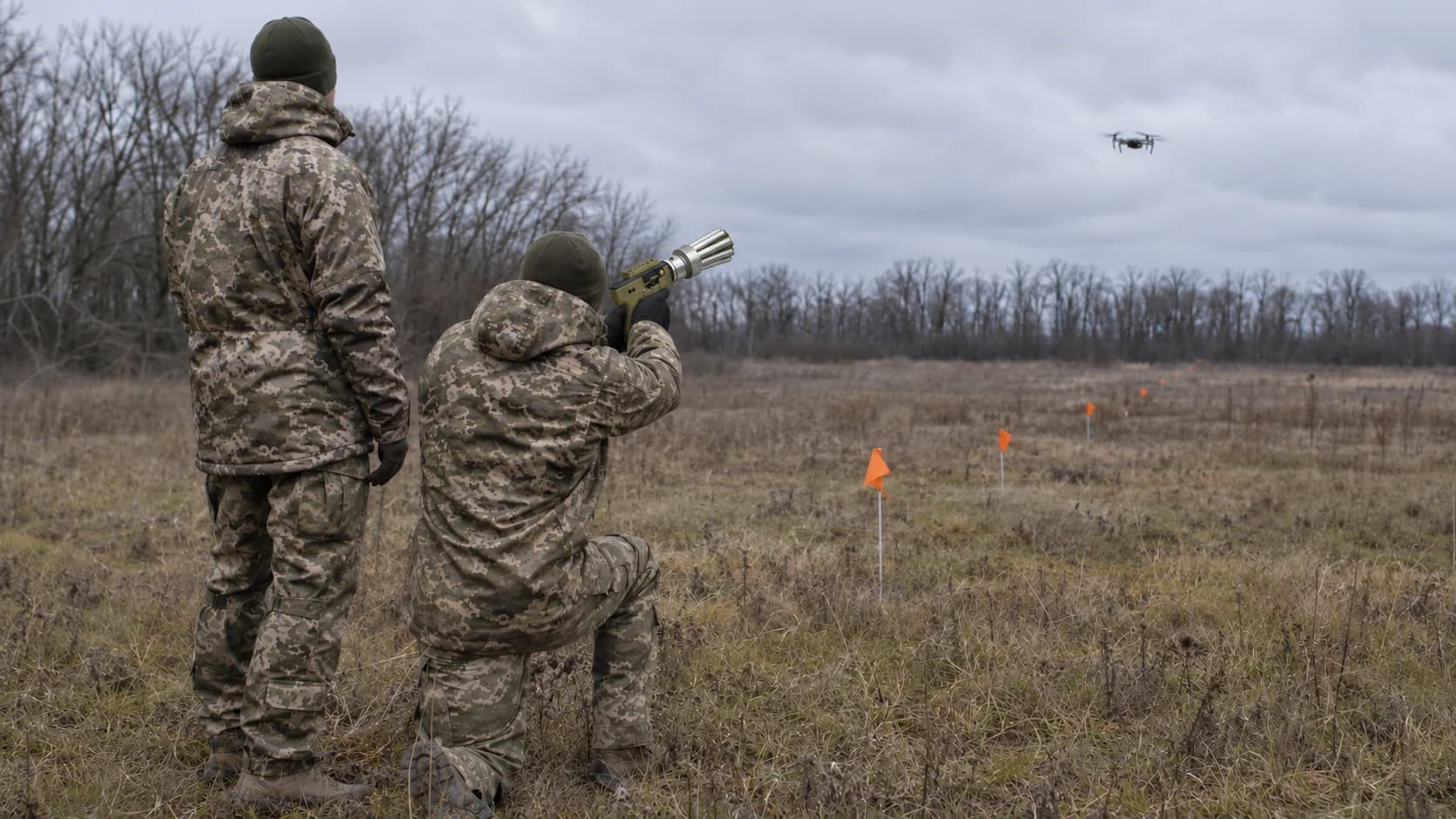
Handheld net launcher training
How to organise training with the Ptashka handheld net launcher: five stages, work with a training mock-up, exercise debriefs and cartridge records.
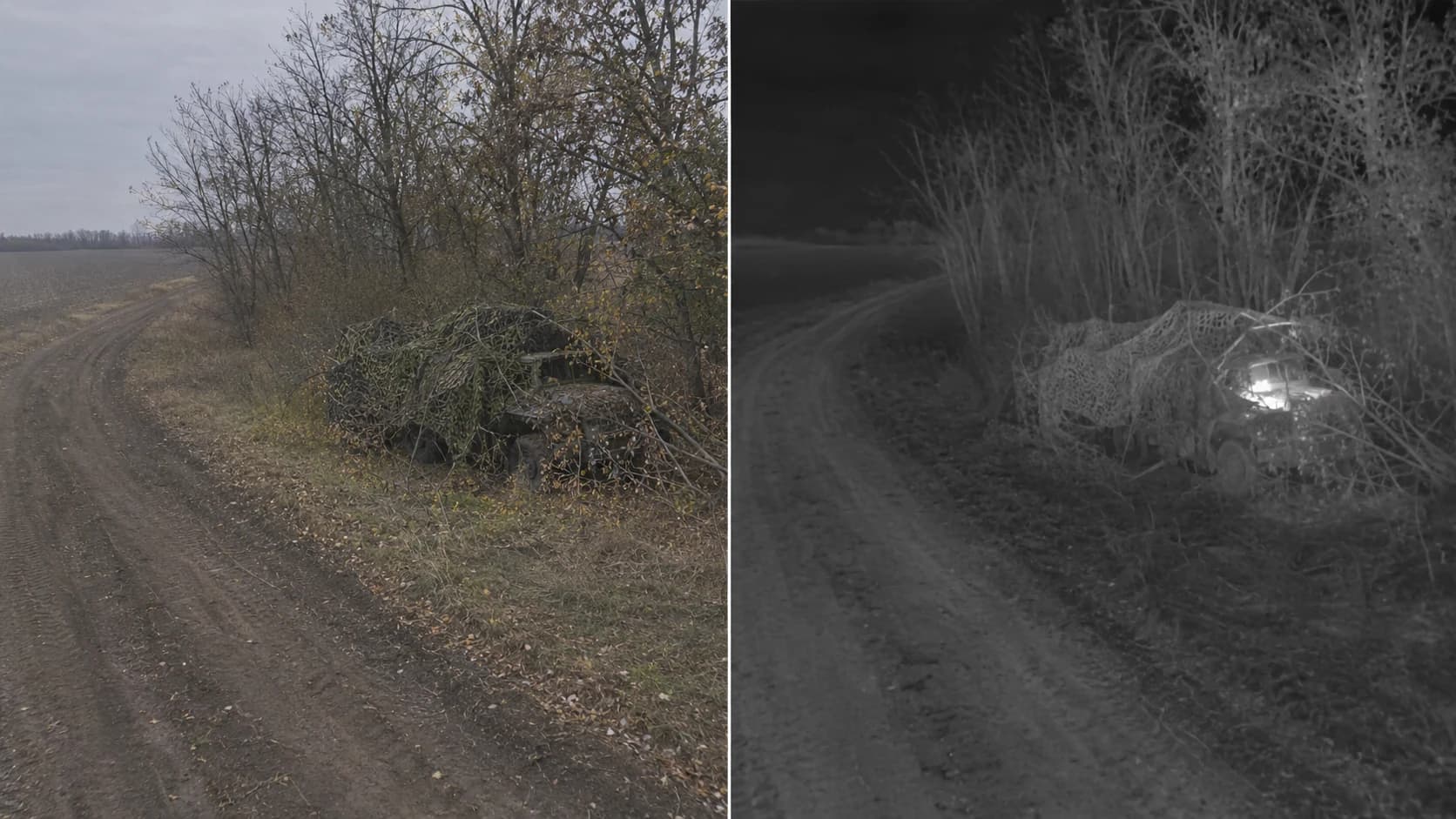
Day or thermal camera for FPV drones
Day and thermal FPV cameras compared by lighting, detail and limitations, with the camera options on Ptashka fibre-optic drones.
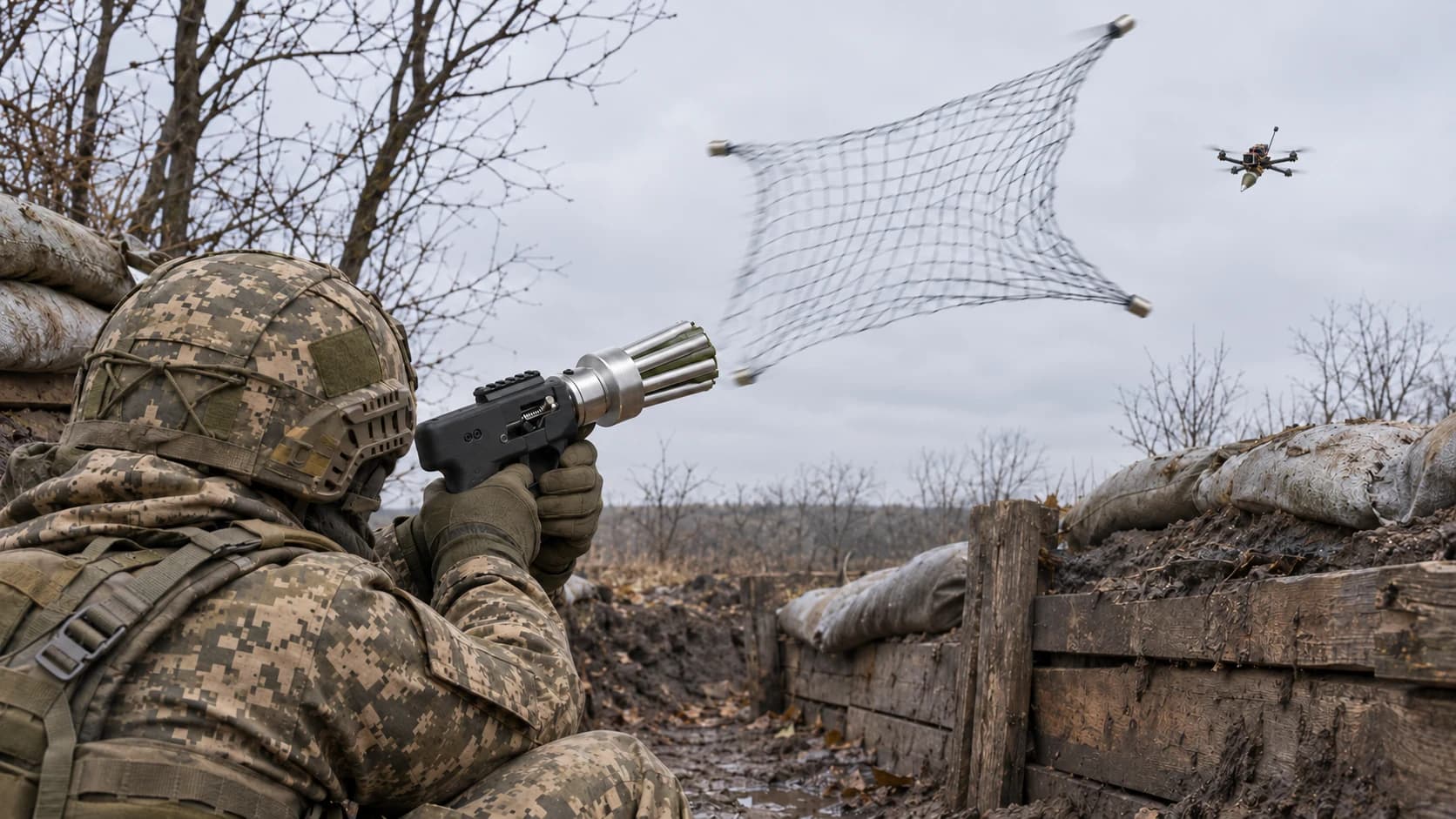
Handheld net launcher or shotgun against FPV drones
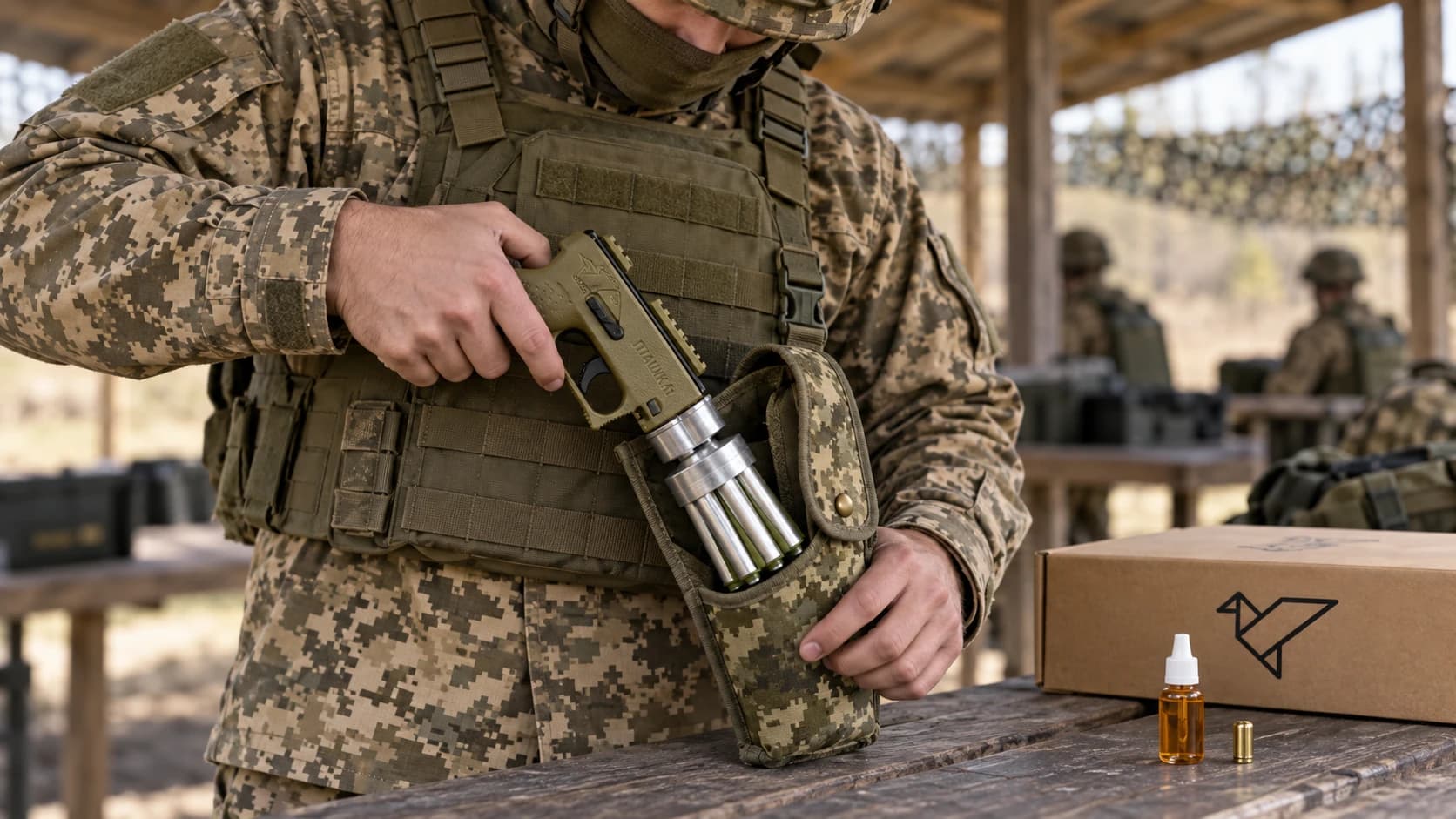
A handheld net launcher and a shotgun compared for FPV defence by weight, principle, shots and limitations, plus the Ptashka net gun kits.
Choosing a handheld net launcher kit
Compare the confirmed contents of Ptashka Basic, Middle and Max handheld net launcher kits. Check the product version, documentation and indefinite free repair and service.
Mavic and Autel net launcher compatibility
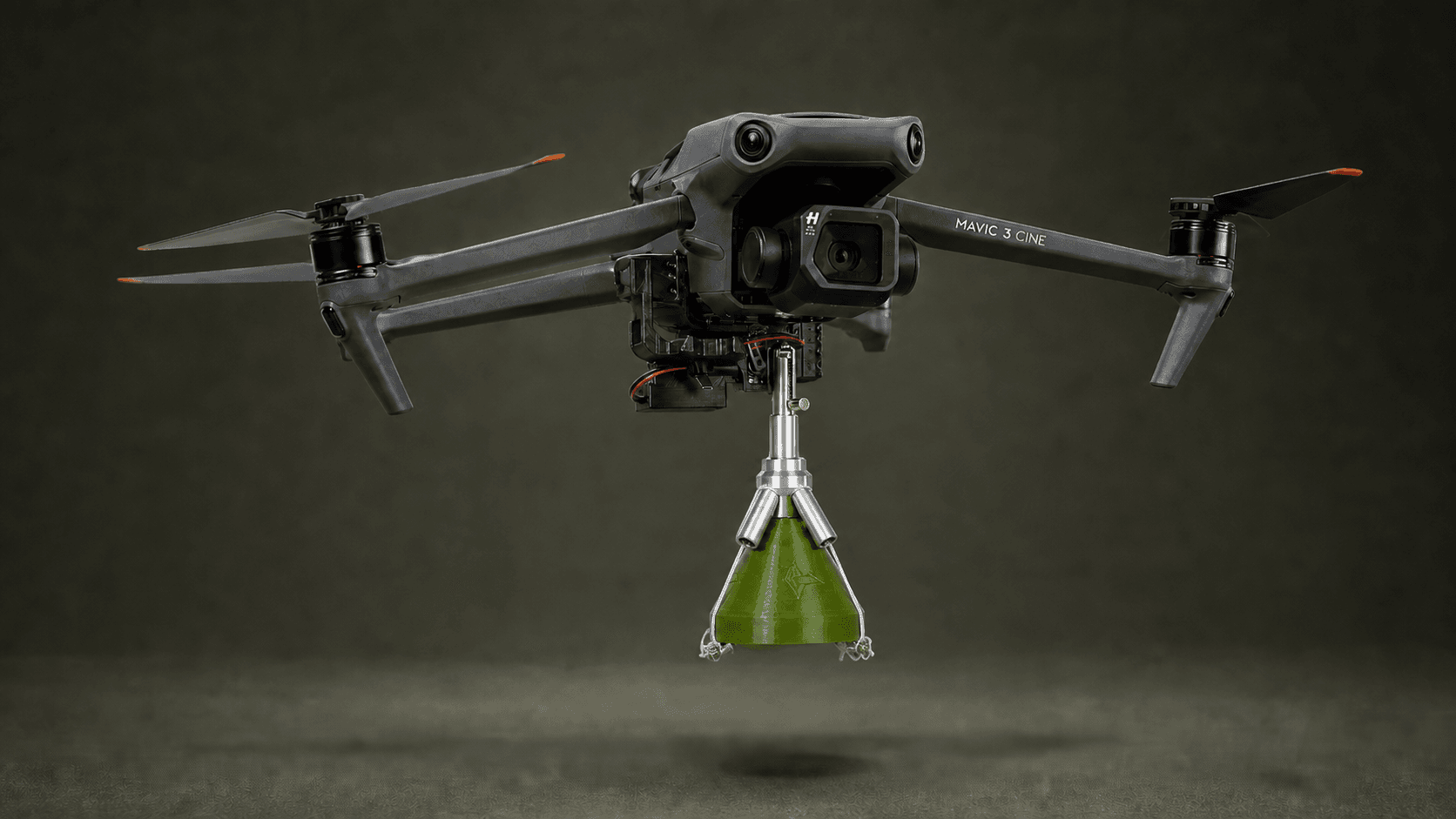
Understand the distinction between a drone-carried net launcher and a handheld system. Confirm the precise Mavic, Autel or Matrice platform, version and supply before ordering.

FPV drone net launcher
How an FPV-carried net launcher differs from handheld and Mavic formats. Check the precise platform, module version, supplied contents and documented limitations.
RF detection, electronic warfare and physical protection
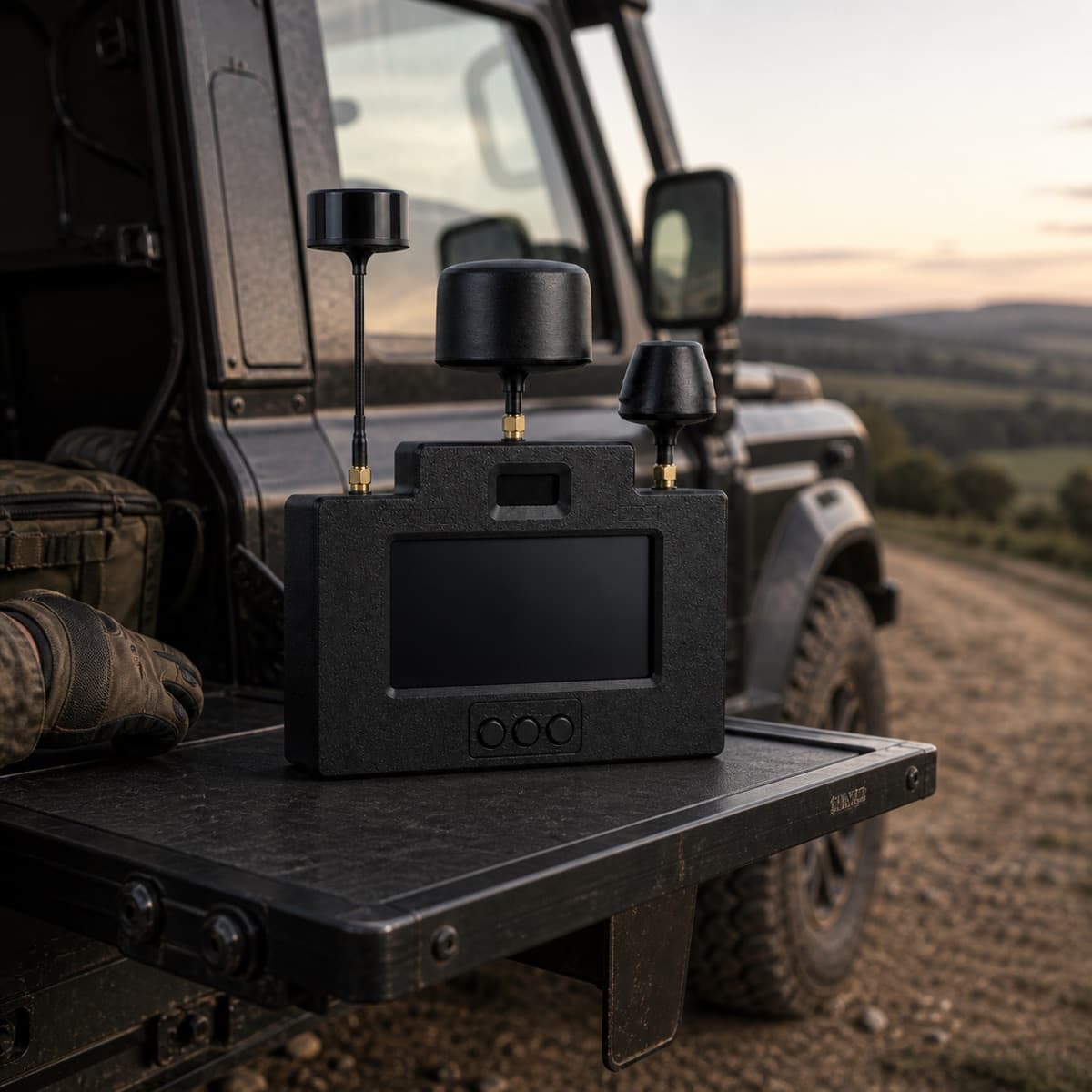
Understand the differences between analog RF reception, radio-electronic countermeasures and physical interception, including the limits of Ptashka’s detector and net launchers.
RF detectors for teams, facilities and vehicles
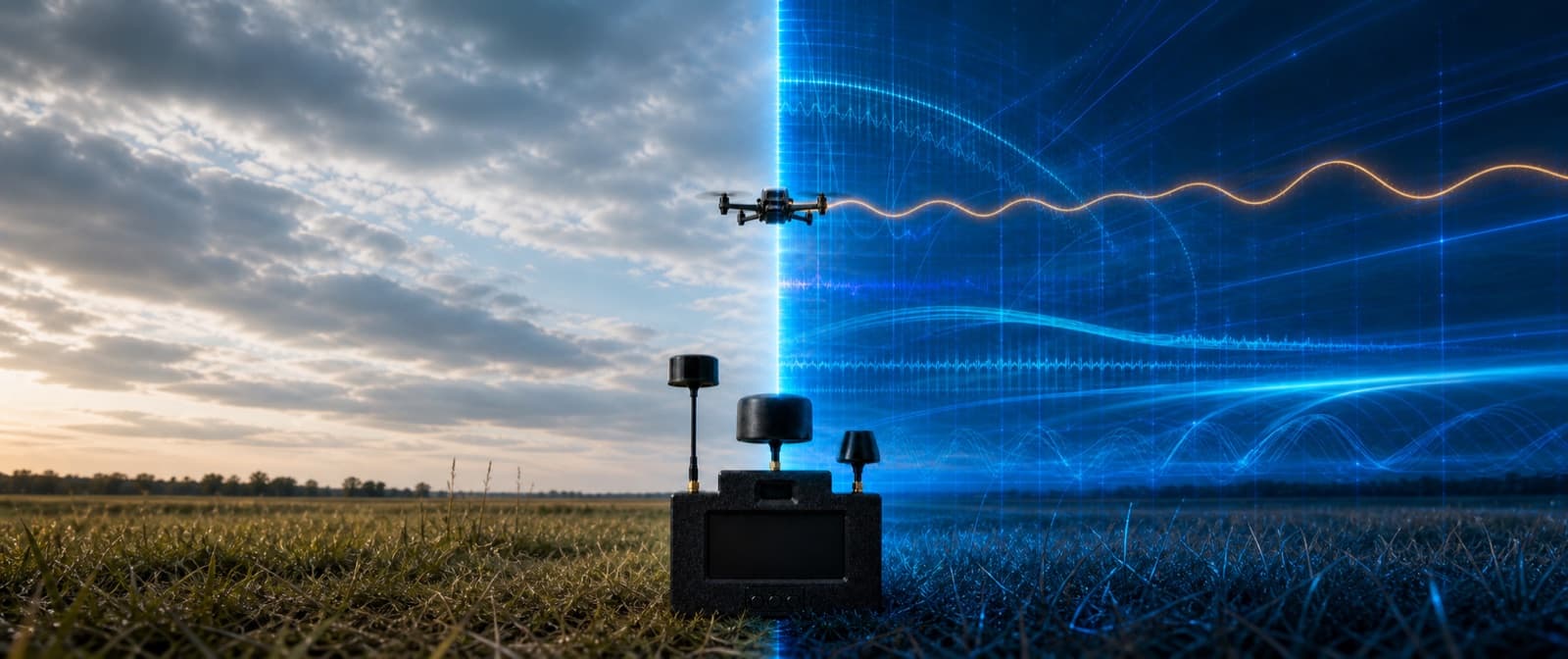
Compare portable detector requirements for teams, facilities and vehicles without assuming universal coverage. Understand the analog-only Ptashka receiver and its limits.
Common FPV drone formats
Compare radio-linked and fibre-optic FPV formats by compatible equipment, complete supply contents, documentation and support rather than an unsupported popularity ranking.
How a fibre-optic FPV drone works
The roles of the optical channel, spool, airborne and ground equipment. Learn why fibre length is not guaranteed flight range and what to confirm before ordering.
Choosing an FPV drone
Check the aircraft version, controller and video compatibility, included equipment, power specifications, documentation and support before ordering an FPV drone.
An RF detector in a UAV detection system
How a portable RF detector contributes information to a wider UAV detection process, what Ptashka’s analog-only receiver can show, and why its limits matter.
What an RF drone detector can and cannot do
Distinguish supported RF reception and analog video from aircraft identification, coordinates and universal detection. A practical explanation of Ptashka’s limits.
Choosing a portable drone detector
Compare supported signals, frequency bands, displays, battery specifications and support before buying a portable drone detector. Understand Ptashka’s analog-only scope.
What is a fibre-optic drone?
Understand how fibre-optic FPV differs from a radio link, the roles of the airborne and ground parts, and why fibre length does not guarantee flight range.
What is an FPV drone?
An introduction to First Person View drones: the camera, video link, viewing equipment and control functions, with the differences between radio and fibre-optic formats.