Handheld net launcher against FPV drones: capabilities and selection
21.09.2026
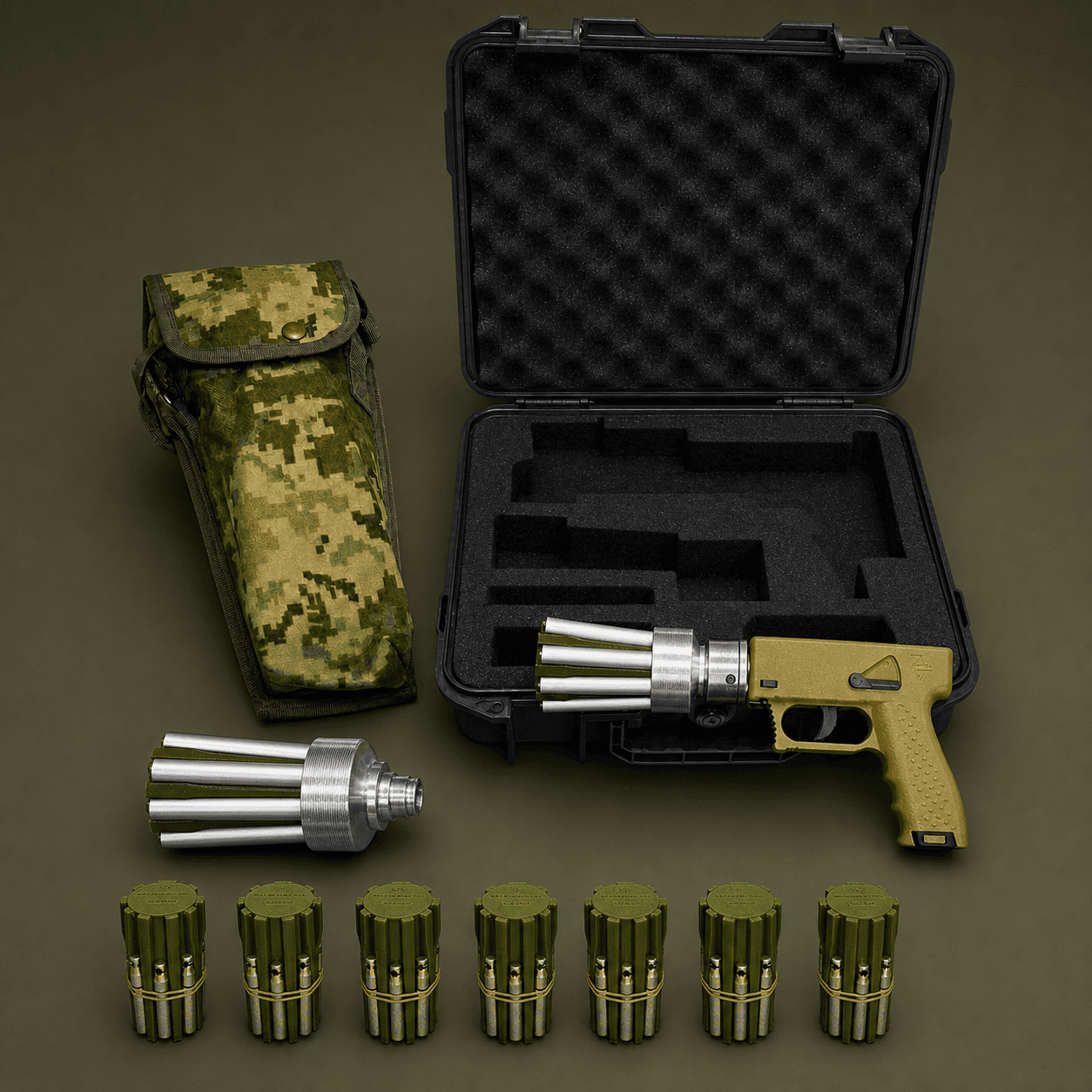
A handheld net launcher is a portable physical interception device for limited distances. It launches a net that creates a mechanical obstacle for an unmanned aircraft. The system does not replace detection, shelters, electronic warfare, or other protection layers, but it may complement them when a trained operator, a safe area, and clear procedures are in place.
What is a handheld net launcher?
Unlike systems mounted on FPV, Mavic, or Autel aircraft, a handheld launcher requires no separate carrier drone. The operator carries the system, and it can be prepared without launching an additional aerial platform.
This type is sometimes described as an “infantry net launcher”, while the Ptashka Drones catalogue uses “handheld net launcher”. It should be treated as one element of a physical protection layer rather than universal protection against every type of UAV.
How net interception works
After activation, the net opens at a specified distance and may restrict propellers or other moving parts of the target, potentially causing the UAV to lose control.
The result depends on target characteristics, distance, surrounding conditions, system condition, and operator training. It is more accurate to describe a physical interception capability than to promise guaranteed neutralisation.
An intercepted object may fall, while its hazardous payload may remain active. The net affects aircraft movement but does not automatically make a potentially dangerous object safe.
What the handheld system includes
Every kit is based on the launcher and net cartridges. The kits differ in cartridge quantity and accessories for carrying, storage, and maintenance.
| Kit | Contents |
|---|---|
| Basic | 1 cartridge and a holster |
| Medium | 5 cartridges, a holster, and a case |
| Maximum | 7 cartridges, 2 gas-distribution systems, 7 blank cartridges, oil, a magazine with a ramrod key, a holster, and an impact-resistant case |
See thebasic,medium, andmaximumkit pages.
How the kits differ
The basic kit provides the minimum package: one cartridge and a holster. It is selected when additional cartridges and a case are not part of the supply requirements.
The medium kit includes five cartridges, a holster, and a case. It suits requirements that call for organised storage and several consumable elements in the initial supply.
The maximum kit includes seven cartridges, two gas-distribution systems with chambers, a magazine with a ramrod key, oil, a holster, and an impact-resistant case. A larger kit means a broader supply of components; it does not guarantee greater accuracy or an interception result.
Main specifications
The “Ptashka 2.0 Handheld Counter-UAS Net Launcher” manual specifies:
| Parameter | Value |
|---|---|
| Net size | 3.7 × 3.7 m |
| Assembled dimensions | 275 × 130 × 60 mm |
| Loaded launcher weight | approximately 1 kg |
| Maximum launch range | 30 m |
| Recommended distance | 24 m |
| Maximum net deployment distance | 15 m |
Confirm the current system version, kit contents, and specifications before ordering.
What to compare when choosing a kit
Cartridge quantity is not the only criterion. Confirm:
- current net size;
- stated range and the conditions under which it was measured;
- system weight;
- exact kit contents;
- training conditions;
- availability of additional cartridges;
- maintenance procedure;
- warranty and return terms;
- safe storage and transportation method.
For an organisation, military unit, or volunteer project, record the exact supply contents in the invoice or specification to avoid different interpretations of “basic”, “medium”, and “maximum”.
Handheld or drone-mounted net launcher
The handheld system requires no carrier aircraft, but its manual defines it as a last-resort countermeasure when other systems have been ineffective and an immediate threat exists. The FPV system moves with a manoeuvrable aircraft and activates through a separate Servo channel. The DJI Mavic 3 and adapted Autel/Matrice version uses a different carrier and spotlight control.
Selection depends on the available platform, team preparation, permitted operating conditions, and the structure of the layered protection system.View all net launchers.
Limitations and safety
Only trained personnel should use the handheld launcher. Follow the manufacturer’s documentation, storage and transportation requirements, and the unit’s internal procedures.
Assess the possible fall area before use. Contact with the net does not make the UAV or its payload safe. The system should also not be described as a solution for a mass attack or as capable of repeated uninterrupted interceptions without supporting test evidence.
A net launcher does not detect radio signals or replace observation.Detection, electronic warfare, and physical protection perform different functions.
Frequently asked questions
Is a handheld net launcher effective against FPV drones?
It is designed for physical interception, but the result depends on operating conditions, target characteristics, and operator training. Interception cannot be guaranteed in every case.
What is the difference between the three kits?
The basic kit has one cartridge and a holster; the medium kit has five cartridges, a holster, and a case; the maximum kit has seven cartridges, two gas-distribution systems, a magazine with a ramrod key, oil, a holster, and an impact-resistant case.
What range is specified?
The manual lists a maximum range of 30 m and a recommended distance of 24 m. Wind and operating conditions may change the actual range.
Is training required?
Yes. Even a portable system requires training, an understanding of its limitations, and compliance with safety procedures.
Does a handheld net launcher replace electronic warfare or a detector?
No. Detection, electronic warfare, and physical interception perform different functions and may be parts of the same protection system.


Related posts
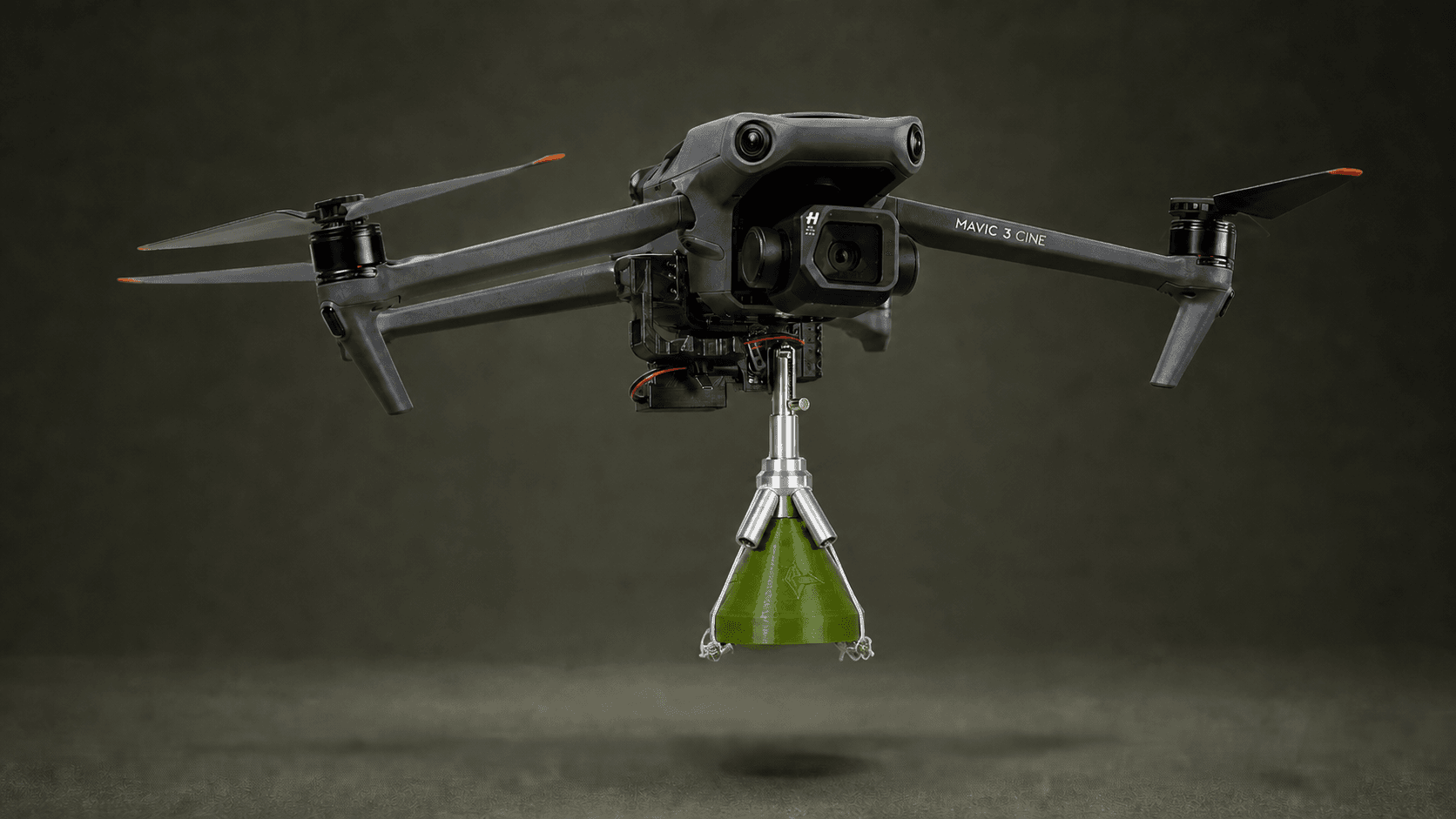
Mavic and Autel net launcher
How the DJI Mavic 3 net launcher works, how Autel and Matrice adaptation is confirmed, and what to check before installation.
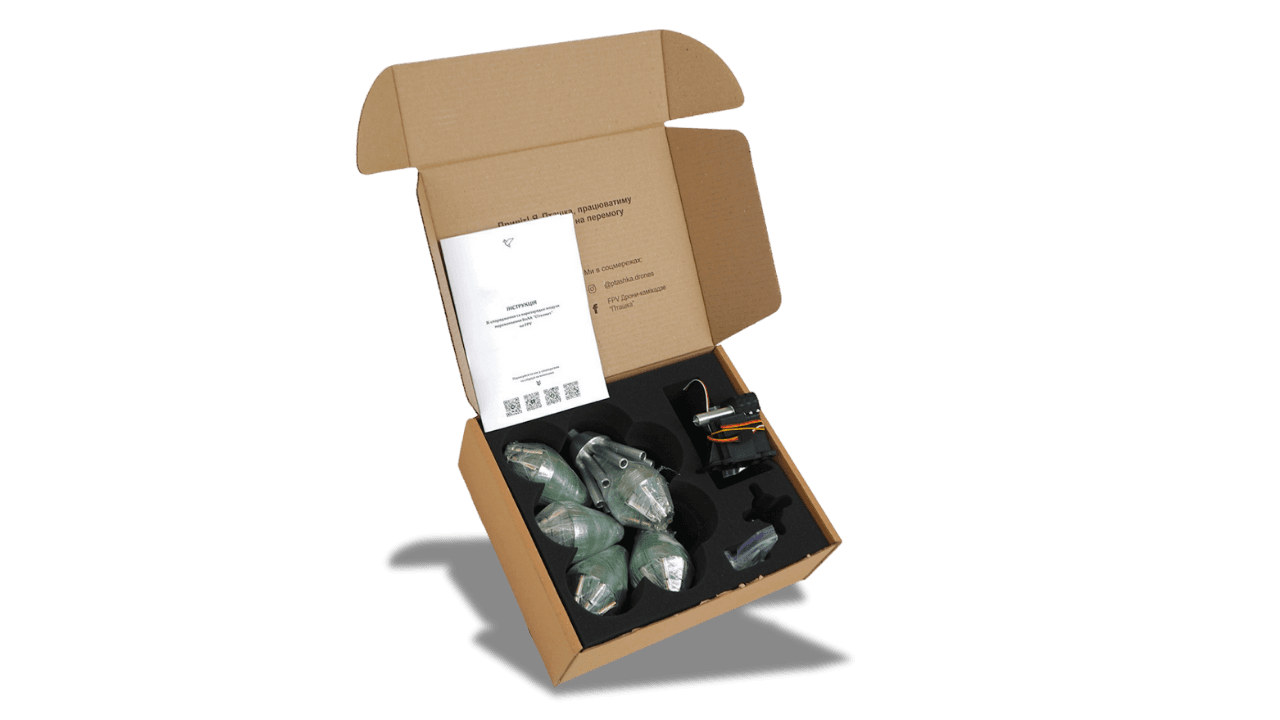
FPV drone net launcher
How an FPV drone net launcher works, what to verify before installation, and how it differs from Mavic and handheld systems.

RF detection, electronic warfare and physical FPV protection
The roles and limits of RF detection, electronic warfare and physical protection from FPV drones.
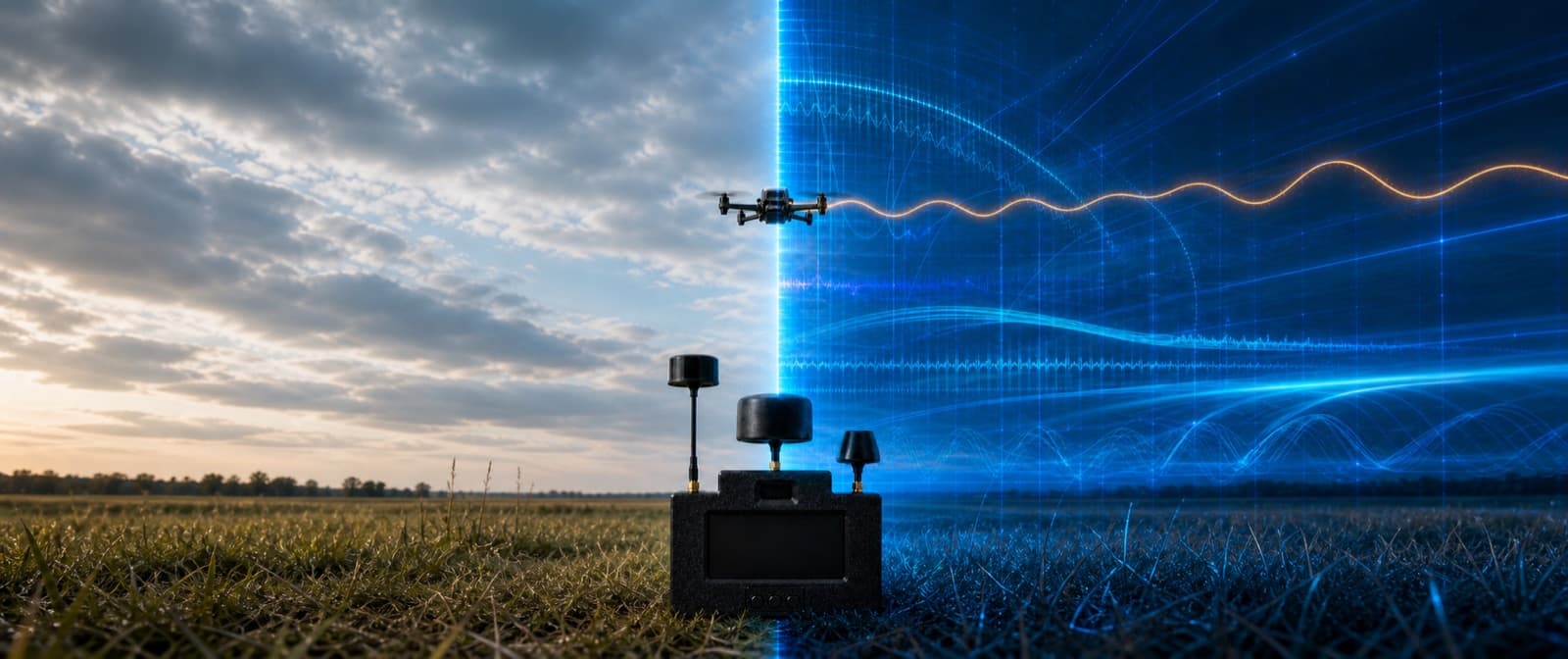
RF detector for mobile teams, facilities and vehicles
How to choose an RF detector for mobile teams, facilities and vehicles.
Popular FPV drone formats
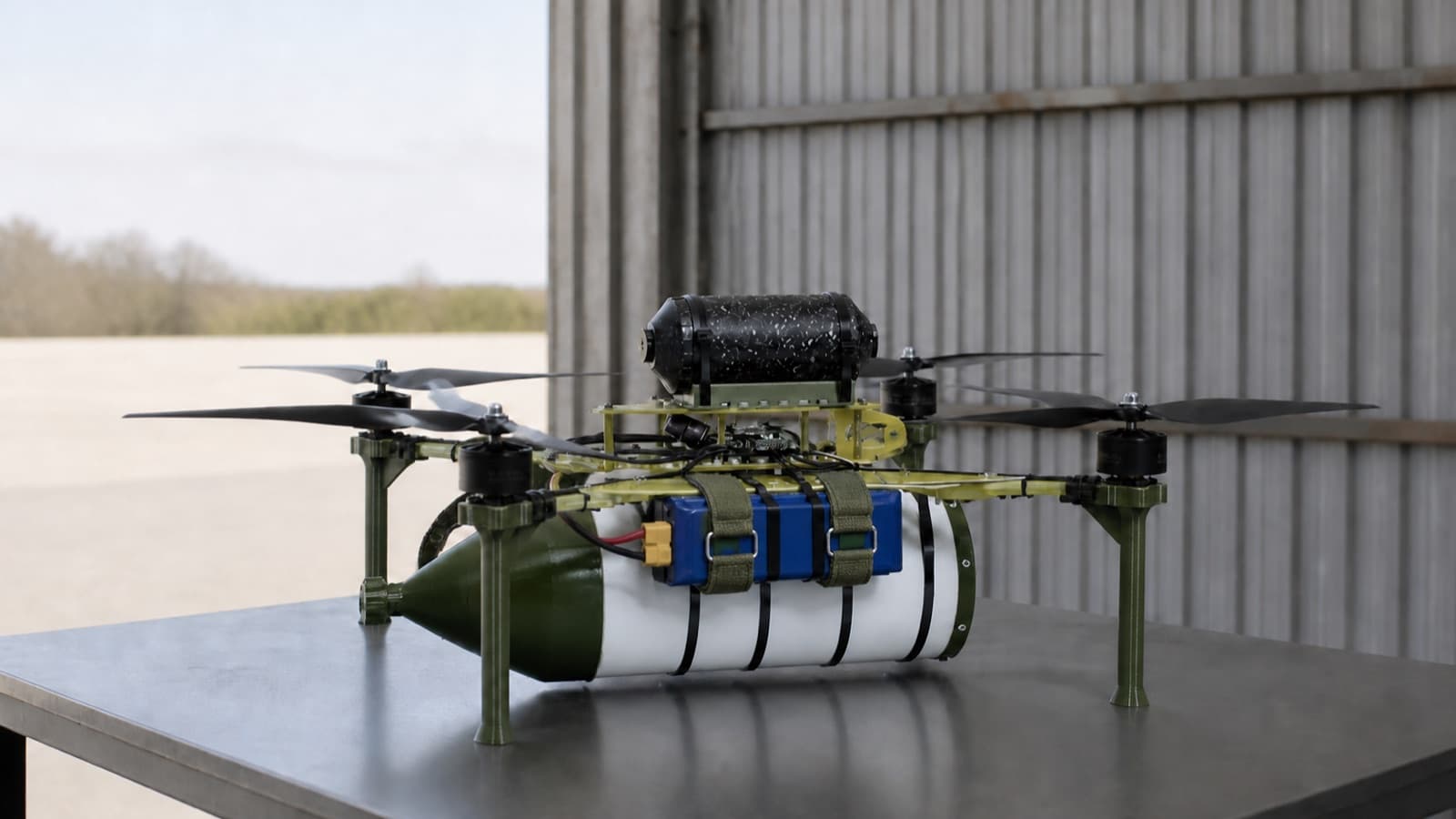
How to choose a radio-controlled or fibre-optic FPV system for a real task.

RF detector in a UAV detection system
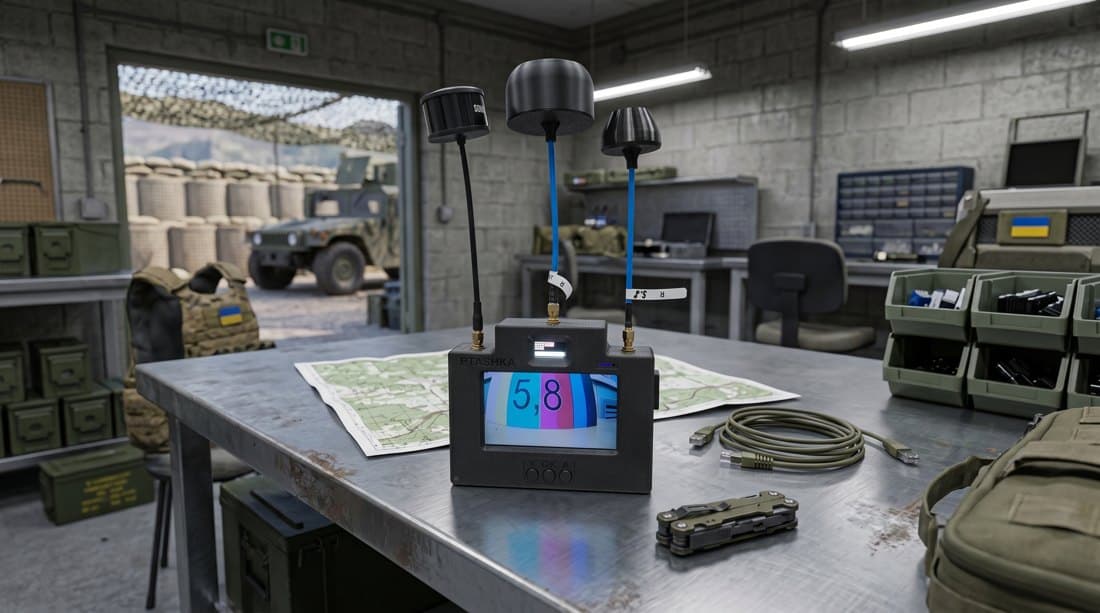
How a portable RF detector complements a UAV detection system, its limits, and why operator training and procedures matter.
What an RF drone detector can and cannot do
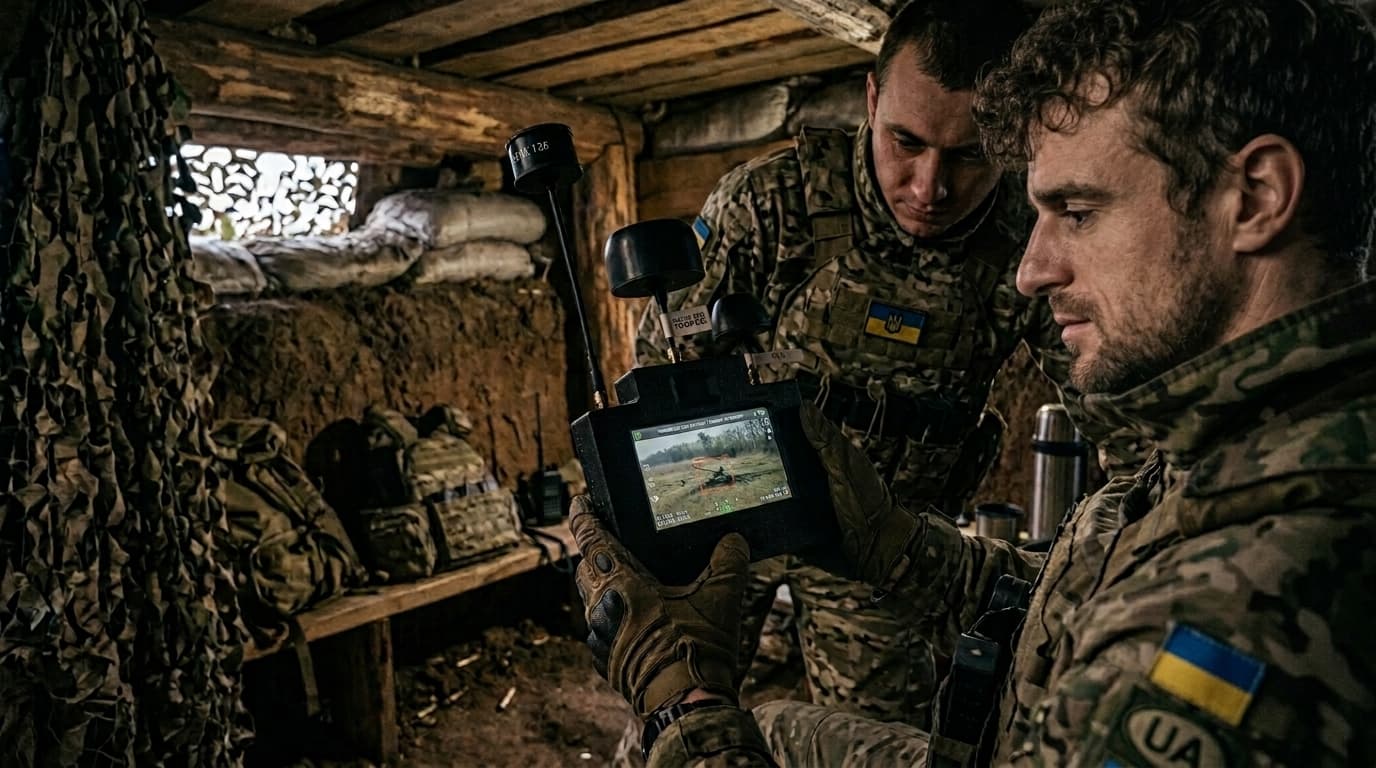
How an RF drone detector works, what information it shows and why it is not a universal UAV detection tool.
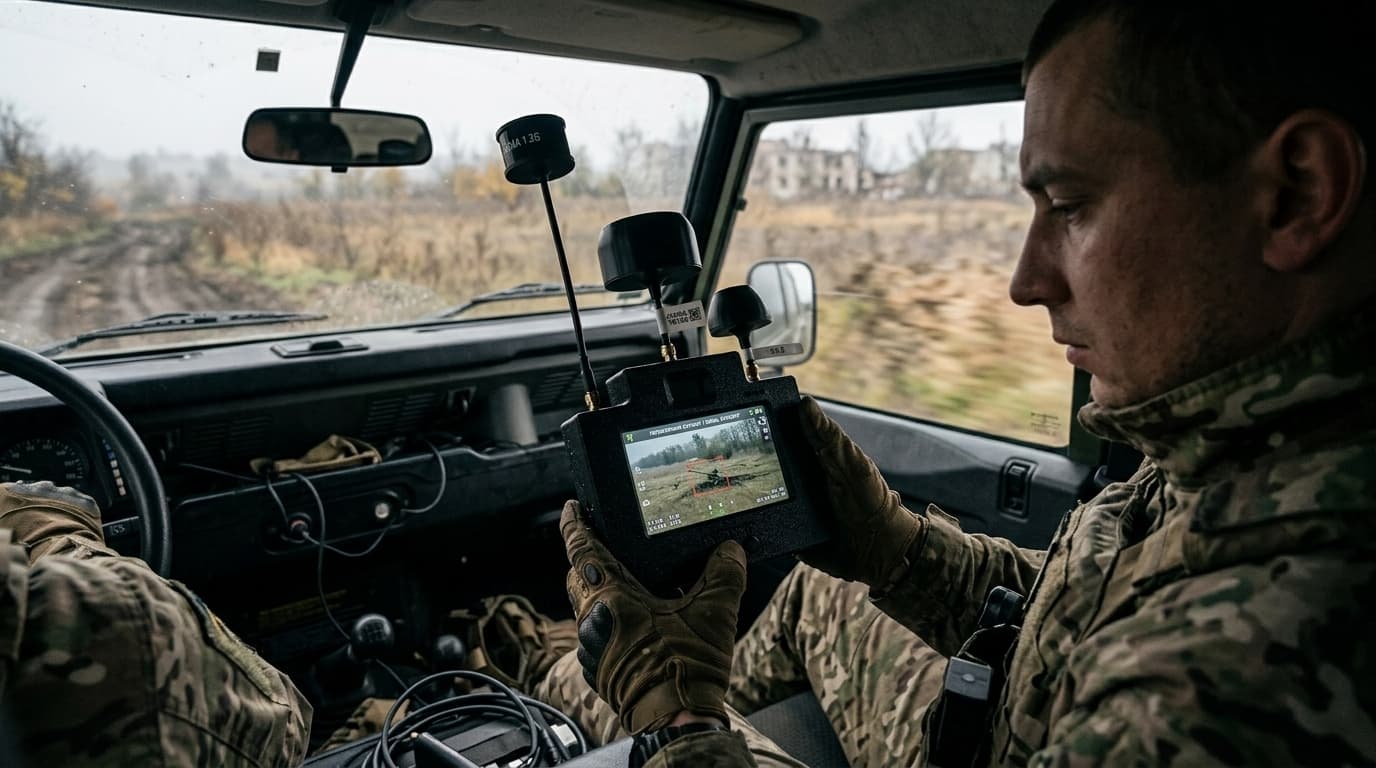
How to choose a portable drone detector
How to select a portable RF drone detector: frequency ranges, scan step, autonomy and the limits of signal analysis.
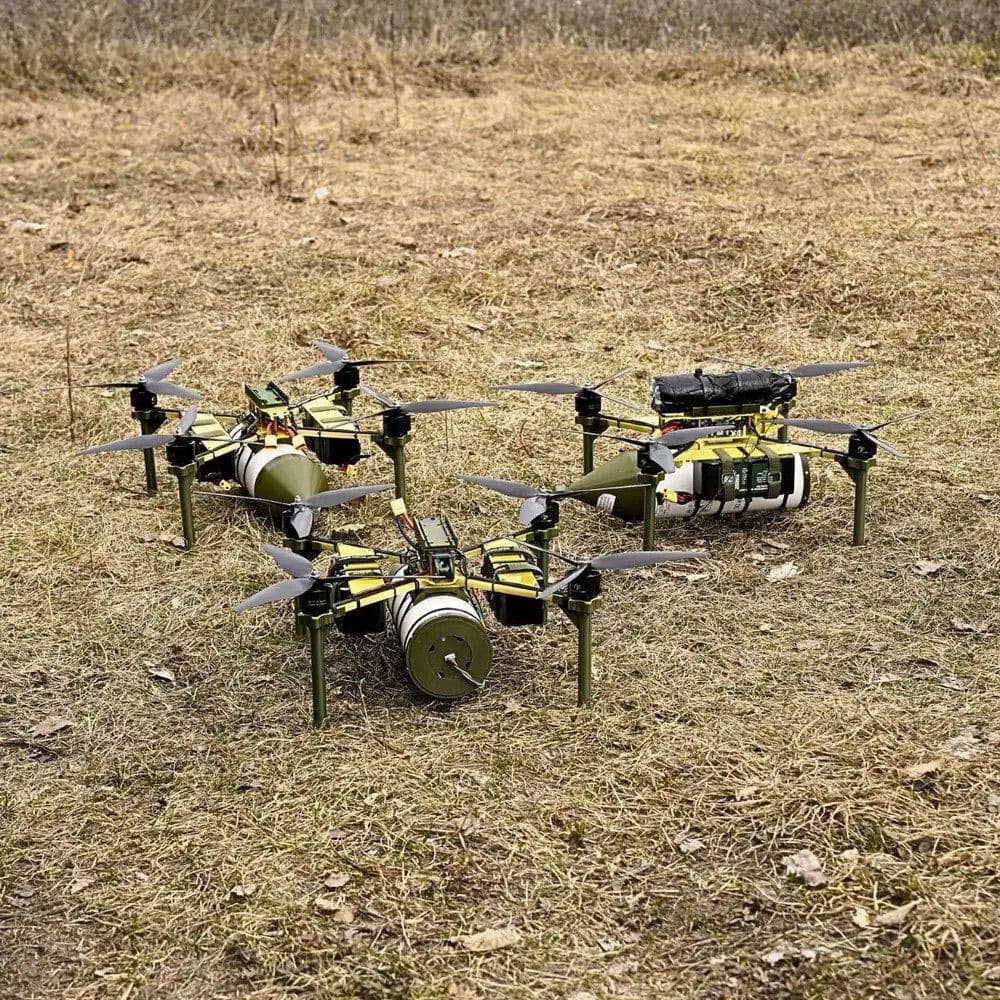
What is an optical drone
In this article we will explore what an optical drone is: how control and video are transmitted through a cable, why it is used, and what are its advantages. Ukrainian manufacturer of FPV drones and UAV countermeasure systems Ptashka Drones
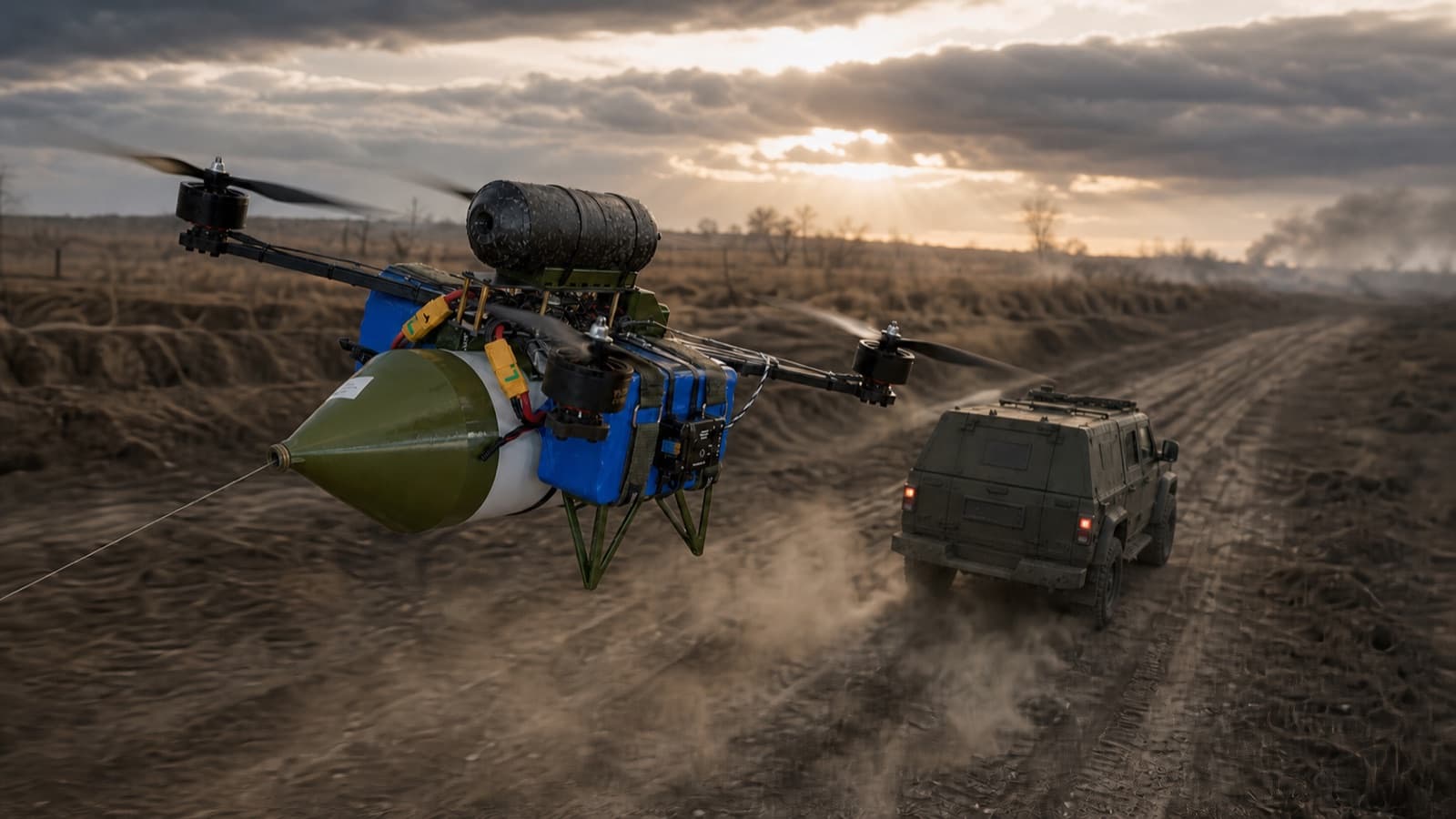
What is an FPV drone
In this article we will explore what an FPV drone is in simple terms: how the real-time video transmission works, what the kit consists of (drone, camera, goggles, transmitter), and where it is used. Ukrainian manufacturer of FPV drones and UAV countermeasure systems Ptashka Drones